

The immune system depends on daily habits. Food intake, hydration routines, and vitamin levels shape how the body responds to seasonal infections, stress, and fatigue. When someone develops consistent habits with plant-based nutrition and adequate fluid intake, the immune system performs more steadily.
Foods supply the compounds that support immune activity throughout the day. Fruits, vegetables, herbs, nuts, seeds, and whole grains contain natural molecules that reduce oxidative stress.
They also support gut health, which directly affects immune function. Good hydration protects the body by keeping mucosal barriers functional and improving nutrient absorption.
Why Plant-Based Foods Strengthen Immune Function
Plant foods contain bioactive compounds that help the immune system regulate inflammation and support cellular repair. Research shows that diets rich in antioxidants reduce the negative effects of stress and environmental irritants. Vitamins A, C, E, and B-complex support immune activity through different biological pathways, while minerals such as zinc, selenium, and magnesium support energy metabolism and immune signaling.
People often refer to fruits and vegetables as immune-boosting foods because they supply the nutrients required by immune cells. Regular intake is more supportive than occasional high intake because the immune system stays active every day.
Common advantages of plant-based patterns include:
- Higher fiber intake for gut and immune balance
- Increased antioxidant availability for stress control
- Better hydration due to high water content in many fruits and vegetables
- Naturally lower levels of inflammatory compounds than those found in processed foods
Fruits that Support Immune Activity

Fruits supply vitamins, electrolytes, and antioxidants that help protect cells from oxidative damage.
Helpful fruits include:
- Citrus fruits(oranges, lemons, grapefruit) for vitamin C and hydration
- Berries(blueberries, strawberries, raspberries) for anthocyanins, which support cellular repair
- Pomegranatesfor polyphenols that support inflammation control
- Kiwisfor vitamin C and folate
- Papaya and mangofor carotenoids that support mucosal barriers
Vitamin C does not cure infections, but consistent intake supports immune cell function and reduces oxidative stress. Fruits also help reduce dehydration through natural water content.
Vegetables that Strengthen Recovery and Defense
Vegetables contribute a wide range of immune-supportive nutrients. Consistent intake supports cellular immunity and reduces inflammation caused by daily stress.
Helpful vegetables include:
- Broccoli and cauliflowerfor vitamin C, folate, and antioxidants
- Spinach and kalefor vitamin A, magnesium, and plant compounds that support tissue repair
- Carrots and sweet potatoesfor beta-carotene, which supports mucosal strength
- Bell peppersfor vitamin C and fiber
- Garlic and onionsfor natural sulfur compounds that support immune signaling
Dark leafy greens provide iron and magnesium, which support oxygen transport and energy levels during recovery.
Herbs and Spices That Support Immune Strength
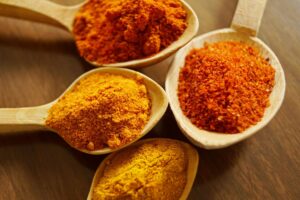
Herbs and spices contribute small but meaningful levels of immune-supportive compounds.
Examples include:
- Turmericfor curcumin, which supports normal inflammation regulation
- Gingerfor compounds that support circulation and antioxidant activity
- Oregano, thyme, and rosemaryfor phenolic compounds that support microbial defense
- Cinnamonfor antioxidants that support blood sugar stability
These ingredients do not replace medication or medical treatment but support baseline immune activity in daily meals.
Hydration Patterns That Support Immune Health
Hydration is part of immune protection. Fluids maintain mucosal barriers in the respiratory and digestive systems. When hydration drops, these barriers dry out and lose their ability to protect against irritants.
Helpful hydration patterns include:
- Water intake throughout the day
- Including fruits and vegetables with high water content
- Herbal teas without added sugar
- Electrolyte-rich options during heavy sweating or illness
Signs of low hydration include fatigue, headaches, and a dry throat. Supporting hydration supports immune performance because immune cells rely on fluid movement to reach tissues.
Vitamins and Minerals from Natural Foods
Plant-based diets supply vitamins that support immunity without supplements. Supplements may be helpful for some individuals, but should be used when recommended by a healthcare professional.
Supportive vitamins and minerals include:
- Vitamin Cfrom citrus fruits, bell peppers, and berries
- Vitamin Afrom carrots, sweet potatoes, and dark greens
- Vitamin Efrom nuts, seeds, and avocados
- Folatefrom leafy greens and legumes
- Zincfrom pumpkin seeds, legumes, and whole grains
- Magnesiumfrom nuts, greens, and whole grains
These nutrients support immune cell signaling, antioxidant activity, and energy metabolism.
Plant-Based Foods That Improve Gut Health
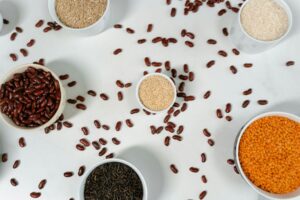
The gut is a major part of immune function. Fiber supports gut microbes that communicate with immune cells.
Helpful foods for gut support include:
- Oats
- Lentils and beans
- Apples and pears
- Bananas
- Fermented foods such as plant-based yogurt and kimchi
- Chia seeds and flaxseeds
Stable gut function supports the immune system’s response to infection and stress.
Probiotics and Immune Support
Probiotics are beneficial bacteria that support immune health by maintaining a balanced gut environment. A large percentage of immune cells live in the digestive system, which means the gut directly influences how the body reacts to infections and stress.
When probiotic levels stay steady, the gut barrier functions more reliably, inflammation reduces, and immune signaling becomes more stable. Probiotics also support nutrient absorption, which helps the body access vitamins and minerals from food more efficiently.
People do not need supplements to benefit from probiotics. Regular intake of fermented foods can support gut balance and strengthen daily immune function.
Probiotic-rich plant foods include:
- Kimchi
- Sauerkraut
- Yogurt with live cultures
- Kombucha
- Fermented pickles (not vinegar-preserved)
- Tempeh
Consistent intake supports both digestive and immune stability. The most meaningful results appear when probiotics are part of everyday meals rather than occasional consumption.
Prebiotics and Immune Support
Prebiotics are plant fibers that feed beneficial bacteria in the gut. Instead of supplying bacteria directly, prebiotics support the long-term growth and stability of the healthy microbes that already live inside the digestive system.
This support results in higher microbial diversity and research shows that diverse gut bacteria correlate with more resilient immune function. Prebiotics also encourage the production of short-chain fatty acids, which support inflammation control and gut barrier strength.
Prebiotic-rich foods include:
- Oats
- Bananas
- Apples
- Garlic and onions
- Leeks and asparagus
- Lentils and chickpeas
A steady intake of prebiotic foods keeps the gut environment balanced and supports immune function by strengthening the foundation of digestive health.
Daily Patterns That Support Immune Stability

A supportive immune routine focuses on consistency. Immune strength depends on daily intake, not sudden changes.
Helpful patterns include:
- Eating vegetables and fruits at most meals
- Drinking fluids throughout the day
- Choosing whole foods instead of processed foods
- Reducing added sugar and excess caffeine
- Prioritizing sleep and rest when fatigue appears
These patterns help maintain a steady baseline rather than fluctuating energy and immune strength.
Supporting Immunity Through Consistency, Not Perfection
The immune system responds best to predictable routines rather than occasional big changes. People do not need complex diets or strict schedules to support better health. Consistency with hydration, balanced meals, and a variety of fruits and vegetables creates a steady supply of antioxidants and vitamins for immune defense.
How Food Choices Influence Stress and Recovery
Stress affects immunity, and food patterns influence stress responses. High-sugar and heavily processed snacks may cause sudden spikes and drops in blood sugar, which increase fatigue and irritability. In contrast, fruits, leafy greens, nuts, oats, and legumes support stable energy and clearer concentration.
This steadiness can reduce nighttime restlessness and shorten recovery time during illness or fatigue. Nourishment throughout the day, paired with drinking water regularly, helps the body settle at night and recover faster.
My Dr’s Note Supports Rest and Recovery
Everyone benefits from nutrition patterns that support immune health. People who need support during recovery or need time away from work or school due to illness may require medical documentation. At My Dr’s Note, we offer secure and fast access to a legit doctor’s note for work or school when rest becomes necessary.
You can easily get a real doctor’s note online to recover without workplace or academic penalties. Contact us today for support!