

Long before a condition becomes severe enough to disrupt your daily life, your body sends signals—tiny changes, irregular patterns, discomforts, and inflammatory responses—designed to warn you that something needs attention. Most people dismiss these clues as “normal stress,” “just tired,” or “nothing serious,” only to discover later that early intervention could have prevented a more significant issue.
Understanding the early warning signs of illness is not about becoming worried or hyper-focused on every small symptom. Instead, it empowers you to recognize what your body is trying to communicate so you can take action early, support prevention, and maintain well-being.
In this in-depth, educational guide, we’ll break down the biology of body signals, how inflammation works as an early alarm, which patterns you should monitor at home, and when it’s time to consult a licensed professional. You’ll also learn how documentation tools like an online doctor note for school, a real doctor’s note online, or an online sick note for work can help you maintain accurate health records when you need time to rest or recover.
1. The Science Behind Your Body’s Signaling System
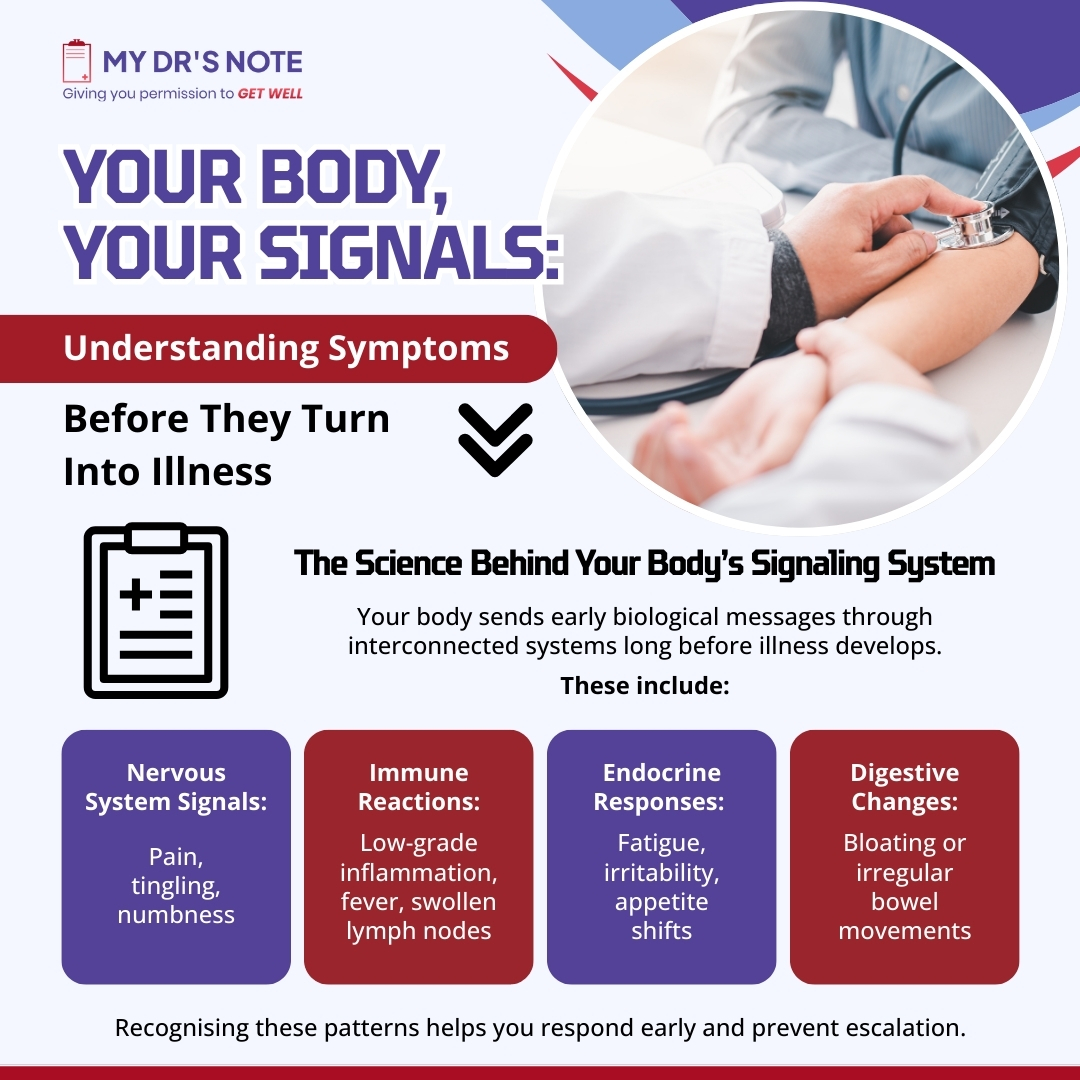
Your body is an intelligent, constantly communicating network—one that gathers internal data, regulates vital functions, and adjusts responses to keep everything running smoothly. This complex feedback loop operates through several interconnected systems that send signals long before illness fully develops. Learning to recognize these early messages not only protects your long-term health but also helps you respond appropriately when you need rest, monitoring, or even documentation, such as an online doctor note for school or an online sick note for work if symptoms begin affecting your daily routine.
Your body communicates through a variety of mechanisms, including:
- Nervous system signals: pain, tingling, numbness, temperature sensitivity
- Immune system reactions: low-grade inflammation, fever, swollen lymph nodes, body aches
- Endocrine responses: unexplained fatigue, irritability, mood shifts, appetite fluctuations
- Circulatory indicators: dizziness, cold hands or feet, rapid heartbeat
- Digestive changes: bloating, nausea, indigestion, irregular bowel movements
To understand how inflammation signals your body’s distress and what it could mean for your overall health.
These patterns are not random or meaningless. Each response is a biological message—your body’s way of alerting you to internal shifts. Factors like stress, minor infections, hormonal changes, dehydration, nutritional imbalances, or early stages of inflammation can all trigger subtle warnings before they escalate into noticeable illness.
Recognizing these early warning signs of illness allows you to intervene early. Maybe you adjust your lifestyle for a few days, increase hydration, get more sleep, or monitor symptoms more closely. For students and working professionals, these early symptoms can sometimes interfere with daily responsibilities.
In such cases, accessing a real doctor’s note online or a secure online doctor’s note for school can help you manage obligations without compromising your well-being. Similarly, if you’re experiencing persistent early signs of sickness that require rest, an online sick note for work provides flexibility while your body recovers.
Understanding your body’s built-in signaling system empowers you to act before minor issues become disruptive. Whether it’s responding to subtle inflammation, sudden fatigue, digestive irregularities, or mood shifts, the key is listening to the messages your body sends. By paying attention to these early cues and taking supportive action, you’re better equipped to maintain your health, prevent complications, and handle responsibilities responsibly—all while staying aligned with what your body truly needs.
2. Minor Signs That Often Go Overlooked
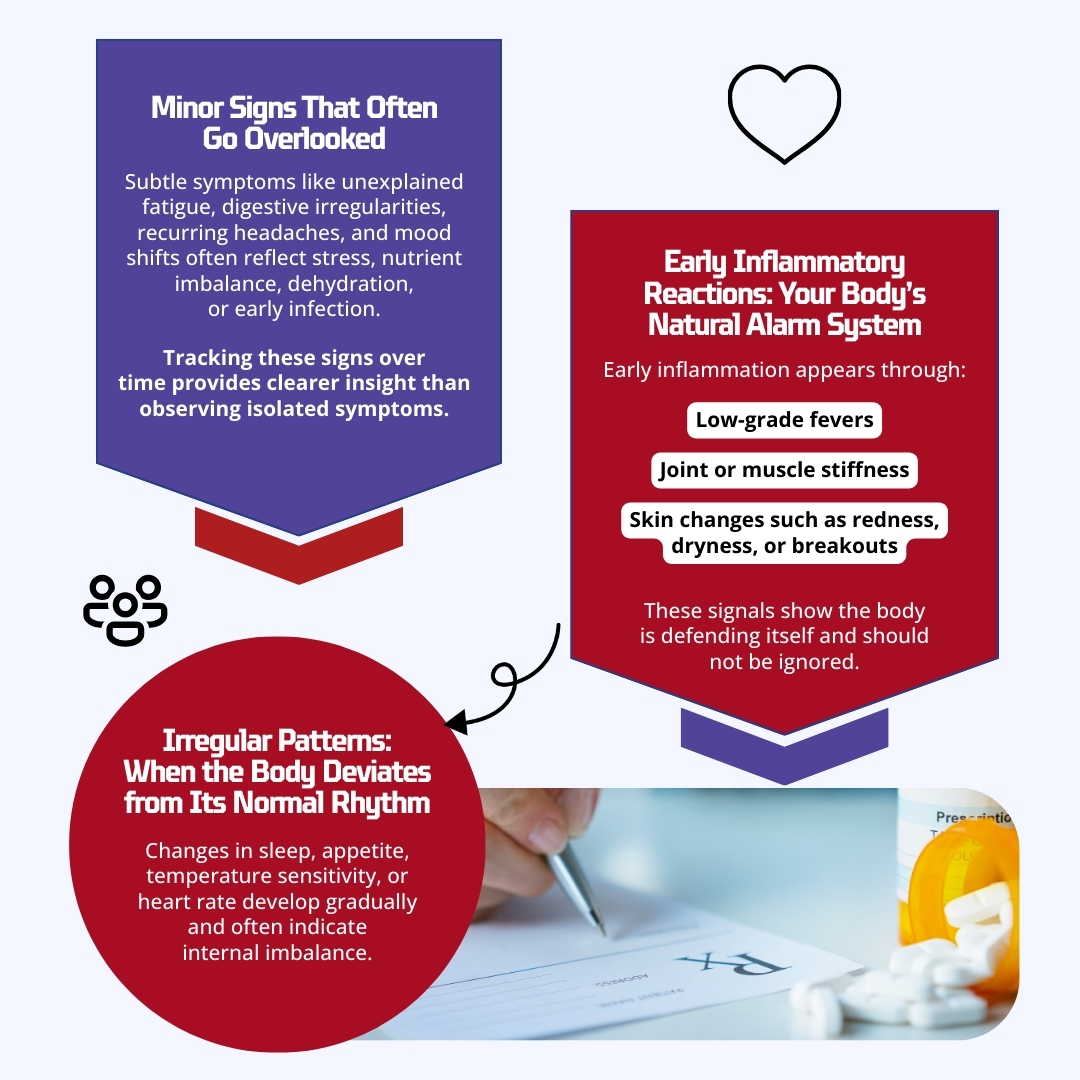
Not every warning sign is dramatic. Most begin subtly, but that subtlety does not mean insignificance. You may notice:
Fatigue That Doesn’t Match Your Activity Level
Feeling tired after an intense day is normal. Feeling exhausted after doing very little is not. When energy levels dip without explanation, the body may be signaling:
- Nutrient deficiency
- Sleep imbalance
- Hormonal fluctuation
- Early infection
- Chronic stress overload
Tracking your energy level over several days helps you determine whether it’s an isolated event or part of a pattern.
Digestive Irregularities
Your digestion is one of your most sensitive early-warning systems.
Symptoms to pay attention to include:
- Frequent bloating
- Sudden food sensitivities
- Appetite changes
- Unusual stool changes
- Persistent nausea
Minor digestive issues can indicate early inflammation, hydration issues, stress, or an imbalance in gut bacteria. Many people wait until discomfort becomes intense before paying attention, but early monitoring often prevents escalation.
Your gut can reveal a lot about your overall health—check out our blog to learn what your digestive system might be telling you.
Headaches or Pressure Sensations
Occasional headaches are common, but recurring ones suggest:
- Dehydration
- Eye strain
- Hormonal triggers
- Tension buildup
- Environmental factors
- Possible infection
Patterns matter more than intensity. Even mild headaches, when frequent, are part of the early warning signs of the illness spectrum.
Mood Shifts and Irritability
Emotional changes are also physiological signals. Mood instability can be influenced by:
- Sleep deficits
- Nutrient imbalances
- Chronic stress
- Hormonal cycles
- Persistent inflammation
When emotional changes appear without an obvious cause, your body may be signaling a deeper imbalance.
2. Early Inflammatory Reactions: Your Body’s Natural Alarm System

Inflammation is often misunderstood. It’s not inherently dangerous—it is your body’s first line of defense. But early inflammatory warnings should not be ignored.
Low-Grade Fevers
Slight temperature elevations can indicate:
- Viral exposure
- Early infection
- Immune activation
Even mild fevers show your body is working to maintain internal stability.
Joint or Muscle Stiffness
A little morning stiffness is fine. Persistent stiffness, especially without exercise, could signal:
- Inflammation buildup
- Poor circulation
- Early autoimmune activity
- Nutrient deficiencies
These clues often appear before major pain develops.
Skin Changes
Your skin is one of the clearest external indicators of internal health.
Inflammatory signals may include:
- Redness
- Patchiness
- Sensitivity
- Sudden dryness
- Breakouts
- Flare-ups triggered by food or stress
Tracking these variations helps identify environmental or internal causes.
3. Irregular Patterns: When the Body Deviates from Its Normal Rhythm

Your personal “normal” is one of the best reference points.
Sleep Disturbances
Disrupted sleep patterns—trouble falling asleep, waking frequently, or oversleeping—often reflect internal imbalance.
Appetite Changes
A sudden increase or decrease in appetite can signal:
- Hormonal shifts
- Persistent inflammation
- Emotional stress
- Digestive system disruption
Temperature Sensitivity
Feeling too cold or too warm compared to others may indicate circulatory or metabolic issues.
Heart Rate Irregularities
A consistently elevated or unusually slow heart rate outside emotional or physical triggers can be an early warning.
Irregular patterns like these rarely emerge overnight. They unfold gradually—and recognizing them early is part of understanding the early warning signs of illness.
5. When to Monitor Symptoms at Home
Monitoring symptoms at home is a practical and empowering way to understand what your body is telling you. Not every minor discomfort requires medical intervention—sometimes, simply giving yourself time to rest, observe changes, and monitor patterns is enough.
Home monitoring is especially helpful when symptoms are mild, short-lived, not intensifying, and not interfering with your daily responsibilities. By paying attention early, you can prevent small issues from developing into something more serious.
Self-monitoring also helps you recognize trends and respond appropriately. Whether it’s a headache after dehydration, fatigue from lack of sleep, or muscle soreness after activity, your body gives signals that deserve attention. Below are simple strategies to help you understand and manage symptoms safely at home.
Keep a Symptom Journal
Writing down what you feel—frequency, intensity, triggers, and improvements—creates clarity. A symptom journal helps you identify patterns and better understand how your body reacts to stress, environment, or lifestyle changes. This simple habit makes it easier to decide whether home care is enough or if symptoms require professional evaluation.
Support Recovery with Rest
If your body is signaling fatigue or discomfort, rest is often the most effective response. Sleep and downtime allow your immune system and nervous system to reset. Even short pauses from physical or mental strain can make a measurable difference in recovery.
Stay Hydrated
Dehydration is a frequent cause of headaches, dizziness, fatigue, and muscle cramps. Drinking enough water throughout the day helps regulate energy levels, temperature, and digestion. Many mild symptoms improve significantly once hydration is restored.
Monitor Patterns Over Time
A single mild symptom may not be concerning, but repeated or predictable patterns suggest your body is trying to alert you. If something keeps returning—like recurring fatigue, digestive issues, or pain—it is no longer “minor.” Tracking these patterns helps you know when to seek guidance from a healthcare professional.
Use Documentation Tools When Needed

Sometimes rest affects your schedule—school attendance, work shifts, or appointments. In those cases, documentation becomes important. Tools like an online doctor note for school, a real doctor’s note online, an online sick note for work, or an online doctor’s excuse for work can help you communicate your absence clearly and professionally. These notes do not diagnose conditions or provide treatment; instead, they simply support responsible recovery while keeping your obligations in order.
Listening to your body, honoring its signals, and documenting absences when needed can help you manage symptoms confidently and prevent small issues from escalating.
6. When to Consult a Doctor

While many minor symptoms resolve on their own, certain warning signs should never be overlooked. Understanding when to seek professional guidance can prevent small issues from developing into more serious health concerns.
Paying attention to these symptoms not only protects your well-being but also helps you manage school, work, and daily responsibilities more effectively.
And when a healthcare provider recommends rest or time away from obligations, having proper documentation—such as an online doctor note for school, a real doctor’s note online, or an online sick note for work—can make the process smoother and stress-free.
Persistent Pain
Pain that lingers for several days or gradually worsens is a key indicator that something may be wrong internally. Whether it’s abdominal discomfort, joint pain, or ongoing muscle aches, persistent pain deserves evaluation by a licensed professional.
High or Prolonged Fever
A fever that stays elevated or repeatedly returns is often a sign of infection or underlying illness. Monitoring fever patterns can help determine when medical care is necessary, especially if symptoms impact your ability to attend work or school.
Breathing Difficulties
Shortness of breath, wheezing, chest tightness, or difficulty taking deep breaths should never be ignored. These symptoms can be linked to respiratory infections, asthma, or cardiovascular issues, all of which require prompt professional attention.
Severe Headaches
Headaches that intensify, disrupt daily activities, or appear with dizziness or visual changes may signal neurological concerns. Persistent or unusual headaches should be assessed to rule out more serious causes.
Progressive Fatigue
If fatigue becomes overwhelming, lasts for weeks, or has no clear explanation, it could be connected to nutritional deficiencies, infections, stress, or chronic health conditions. A doctor can help identify the root cause and recommend appropriate care.
Feeling constantly drained? Read our blog When Fatigue Isn’t Just ‘Being Tired’: Understanding Persistent Exhaustion to discover why persistent exhaustion may signal more than just a busy lifestyle.
Swelling or Inflammation That Doesn’t Improve
Swelling, redness, or inflammation that persists despite rest or home care suggests that your body may be fighting an infection or injury requiring professional evaluation.
Irregular Heart Symptoms
Heart palpitations, unexplained chest pressure, fluttering sensations, or sudden changes in heart rate should be taken seriously. A healthcare provider can perform tests to ensure your heart is functioning properly.
If your doctor advises rest or short-term leave, having access to reliable documentation becomes essential. In such cases, obtaining a real doctor’s note online, an online doctor note for school, or an online sick note for work can help you meet requirements while prioritizing your recovery.
7. Listening to Your Body: A Skill That Prevents Bigger Issues
Many major health concerns don’t appear suddenly—they grow silently from small, easily overlooked signals. A minor discomfort, an unusual pattern, or a sudden shift in energy levels can be your body’s first attempt to communicate that something needs attention. When you learn to recognize these early messages, you create the foundation for true prevention.
Understanding your body’s signals also helps you make informed decisions, including when to rest, when to adjust habits, and when you may need proper documentation, such as a real doctor’s note online or an online sick note for work.
Developing this awareness takes practice, but the long-term benefits to your health and daily functioning are enormous.
Here’s how to strengthen this skill:
Slow Down and Check In Daily
In a fast-paced routine, it’s easy to move on autopilot and miss important physical cues. Spend a few minutes each day scanning how your body feels—your energy, digestion, stress levels, headaches, or muscle tension. This daily check-in gives you baseline awareness, making any changes easier to notice.
Track Patterns, Not Individual Symptoms
Single symptoms—like occasional fatigue or a one-time headache—are not always cause for concern. What truly matters is noticing repetition. If a headache appears three times a week, or your sleep quality keeps declining, your body may be signaling that something is off. Tracking patterns empowers you to act early, long before the issue becomes disruptive.
Respect Rest as a Form of Prevention
One of the biggest contributors to worsening symptoms is pushing through them. Rest is not a weakness; it is one of your body’s most effective repair mechanisms. When you feel run down, permitting yourself to pause prevents escalation. If you need time off, an online doctor’s note for school or a real doctor’s note online can help you maintain accountability while also respecting your health.
Support Your Immune System
A strong immune system is your first line of defense. Proper hydration, balanced nutrition, fresh air, and quality sleep significantly influence how your body responds to stress, germs, and inflammation. These simple habits make your body more resilient and better able to recover quickly.
Document When Needed
Life, school, and work responsibilities don’t pause when you’re unwell. When rest is necessary, having proper documentation—such as an online sick note for work or an online doctor note for school—helps you protect your obligations while honoring your well-being.
8. The Role of Documentation in Supporting Your Health Responsibility
While this guide doesn’t advise on medical treatment or diagnosis, it does emphasize the importance of honoring your body’s signals. One simple yet often overlooked tool is documentation.
When your body needs rest, recovery, or a temporary pause from responsibilities, documentation helps you communicate transparently without stress.
Whether it’s:
- Taking a day off to prevent worsening symptoms
- Managing early fatigue
- Monitoring inflammatory reactions
- Supporting mental and physical balance
Proper documentation ensures your responsibilities stay organized while you focus on recovery.
This is why resources such as a real doctor’s note online or an online sick note for work are frequently used for short-term absence needs. They help you take responsible action at the earliest signs of illness.
9. Introducing FMLA Certification: Supporting Longer-Term Health Needs
In addition to short-term doctor’s notes, many people also need documentation for situations that require more than just a day or two of rest. While an online doctor note for school, a real doctor’s note online, or an online sick note for work can help with brief absences, some circumstances involve longer recovery periods, ongoing caretaking responsibilities, or recurring health-related challenges. In these cases, employers often require more formal documentation to ensure extended leave is properly approved and protected.
This is where FMLA certification plays an essential role.
The Family and Medical Leave Act (FMLA) allows eligible employees to take protected, unpaid leave for specific medical or family reasons. Although it is not a medical service, FMLA certification provides crucial documentation that supports individuals during more complex or long-term health situations. It ensures that employees can focus on recovery, care, and stability—without worrying about job security or compliance issues.
FMLA certification helps individuals:
- Manage longer recovery timelines when an illness, injury, or medical condition requires more than a brief absence
- Provide the legally required paperwork employers need for approval
- Organize ongoing health-related responsibilities for themselves or loved ones
- Ensure workplace compliance and avoid complications with HR or leave management
For people who already rely on convenient documentation options—such as obtaining a real doctor’s note online or requesting an online sick note for work—having access to a reliable FMLA certification service adds an extra layer of support. It bridges the gap between short-term needs and long-term obligations, giving employees confidence that their leave is properly documented and recognized.
Whether you’re recovering from a medical procedure, managing a chronic condition, supporting a family member, or navigating unexpected health challenges, the right paperwork matters. Employers often require detailed, accurate certification to approve extended leave, and having a dependable service simplifies the entire process.
If you or a loved one ever encounters a situation where extended time off becomes necessary, access to a trustworthy FMLA certification service is incredibly valuable. It ensures your documentation is organized, compliant, and ready when you need it—so you can stay focused on your health and responsibilities, not administrative stress.
By understanding the difference between short-term notes (such as an online doctor note for school) and long-term solutions like FMLA certification, individuals can better prepare for whatever life brings and handle their leave needs with ease and confidence.
10. Bringing It All Together: Your Body Speaks—You Only Need to Listen
Your body is constantly sending signals long before an illness fully develops. Symptoms rarely appear suddenly—they follow a predictable sequence that reflects how your body responds to stress, imbalance, and inflammation. When you learn to recognize these patterns, you gain the power to act sooner and protect your well-being.
It all begins with subtle changes—the earliest hints that something is off. This could be low energy, slight digestive discomfort, unusual thirst, or changes in sleep. These early cues are quiet, but they are your body’s first method of communication.
Next come irregular patterns, such as inconsistent headaches, fluctuating appetite, irregular bowel habits, or mood shifts. These aren’t random—they’re signals that your system is working harder than usual to maintain balance.
If these patterns continue, your body may enter an early phase of inflammation. You may notice mild swelling, tension, sensitivity, or recurring minor pains. Inflammation is your body’s way of protecting itself, but it’s also a clear message that something needs attention—whether it’s rest, hydration, or reduced stress.
Finally, when earlier signals go unnoticed, more noticeable symptoms develop. These can include persistent fatigue, stronger pain, respiratory issues, fever, or digestive disturbances. By this point, your body is clearly asking for intervention and care.
Understanding these early warning signs of illness isn’t just about reacting—it’s about preventing escalation. When you listen early, you support healing, improve long-term health, and avoid unnecessary complications. Recognizing patterns empowers you to pause when needed, take breaks, and adjust routines before your body becomes overwhelmed.
In situations where rest is necessary, proper documentation can make the process smoother and stress-free. Tools like an online doctor note for school, a real doctor’s note online, or an online sick note for work allow you to step back responsibly without worrying about administrative pressure. These options ensure you can focus on recovery instead of navigating complicated paperwork or last-minute appointments.
For extended situations where healing takes more time, the newly added FMLA certification service offers additional support. It provides the documentation required for longer-term leave, giving you the peace of mind to prioritize your health without jeopardizing your responsibilities.
Your body communicates constantly. By paying attention to its signals—both small and significant—you create a healthier, more sustainable approach to well-being. Listening early is the key.
If you ever need reliable documentation to support rest, recovery, or school/work responsibilities, My Dr’s Notes is here to help. We provide online sick notes, easy-to-access documentation, and now offer FMLA certification for individuals needing extended support.
Take care of your body. Listen to its signals. And when you need documentation that supports your health journey, My Dr’s Notes makes the process simple, fast, and stress-free.