
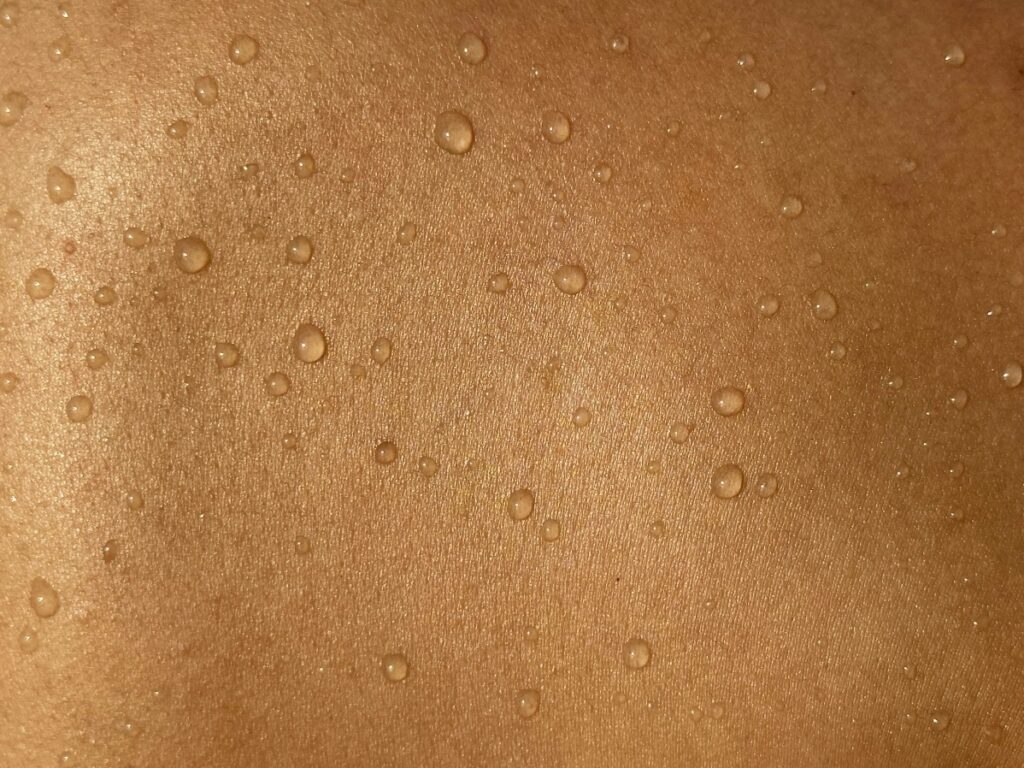
A red patch on your arm. Itchy bumps on your neck. A sudden rash that appears overnight and refuses to fade. Most people assume these symptoms point to simple skin allergies, but not every rash comes from pollen, food, or a new detergent. Some signal infection. Others reflect chronic inflammatory conditions. A few require urgent care. Knowing the difference protects both your health and your ability to function comfortably at work.
Your skin acts as your body’s largest organ and primary protective barrier. When something irritates or invades it, visible symptoms often appear quickly. According to the American Academy of Dermatology, contact dermatitis alone affects millions of Americans each year. Yet rashes vary widely in cause and severity, which is why paying attention to pattern, progression, and associated symptoms matters.
Understanding what your skin communicates helps you respond appropriately. Some rashes resolve with basic care. Others worsen without evaluation. This guide explains common causes, warning signs, treatment basics, and when medical assessment becomes necessary.
Allergic Reactions: When the Immune System Overreacts
True allergic reactions occur when the immune system responds to a substance it mistakenly identifies as harmful. Common triggers include certain metals, fragrances, plants like poison ivy, foods, and medications. Contact dermatitis typically produces redness, itching, and sometimes blistering at the site of exposure.
The National Institute of Allergy and Infectious Diseases explains that allergic reactions can range from mild skin irritation to severe systemic responses. Most mild skin reactions improve once you remove the trigger. Washing the affected area and avoiding further exposure often helps.
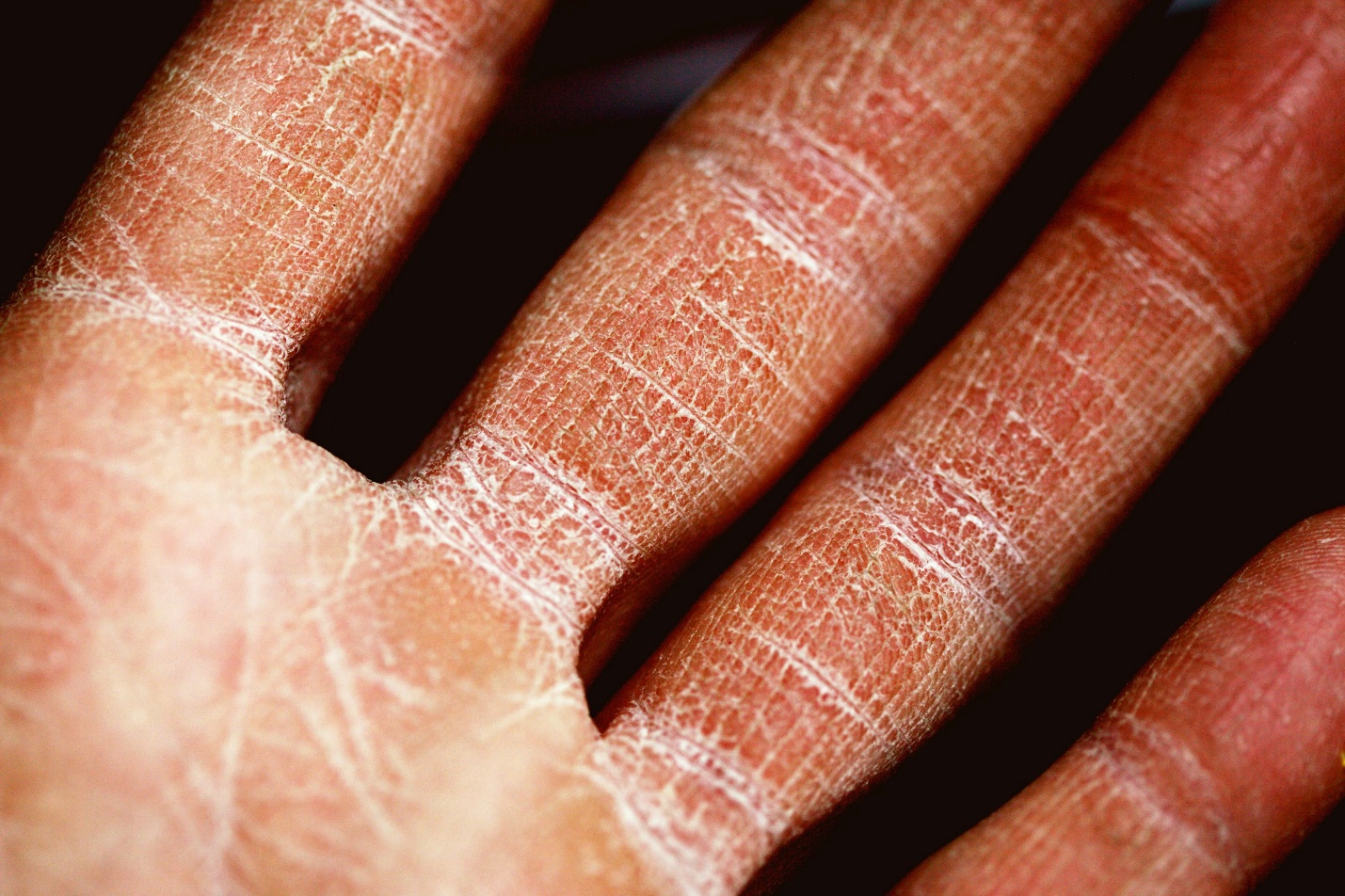
If swelling spreads beyond the contact site or if you experience difficulty breathing, dizziness, or facial swelling, you should seek emergency care immediately. Those symptoms indicate a more serious allergic reaction that extends beyond the skin.
For localized reactions that interfere with comfort at work, individuals sometimes seek a doctor’s note for work when visible irritation or discomfort limits performance in customer-facing or safety-sensitive roles.

Irritant Contact Dermatitis: Not Always an Allergy
Not every rash reflects an immune response. Irritant contact dermatitis occurs when a substance directly damages the skin’s protective barrier. Harsh soaps, cleaning chemicals, repeated handwashing, and even prolonged moisture exposure can cause this reaction.
Healthcare workers and service industry employees frequently experience this type of irritation. The Centers for Disease Control and Prevention notes that occupational skin disorders remain among the most common workplace illnesses. Unlike allergic reactions, irritant dermatitis often develops gradually after repeated exposure.
Treatment focuses on barrier repair. Gentle cleansing, fragrance-free moisturizers, and temporary avoidance of irritants usually improve symptoms. If cracking, oozing, or infection appears, evaluation becomes important.
When painful irritation limits manual tasks or requires temporary job modification, some individuals consider an online doctor’s note option to clarify that a short recovery time is medically appropriate.
Eczema Flare-Ups: Chronic and Recurring
Atopic dermatitis, commonly called eczema, represents a chronic inflammatory condition rather than a simple allergy. The National Eczema Association estimates that more than 31 million Americans experience some form of eczema. Flare-ups cause itching, dryness, thickened patches, and sometimes cracking or bleeding skin.
Stress, weather changes, and irritants often trigger flares. Unlike short-term allergic reactions, eczema may persist for weeks without proper management. Treatment typically includes consistent moisturization, avoidance of triggers, and sometimes prescription topical medications.
Severe flares can interfere with sleep, concentration, and daily functioning. In visible areas such as hands or face, discomfort may affect workplace performance. In those cases, individuals sometimes request an online doctor’s note for work to support short-term recovery or medical follow-up.
Fungal and Bacterial Infections: When It’s Not an Allergy
Some rashes resemble allergic reactions but result from infection. Fungal infections such as ringworm produce circular, scaly patches. Bacterial infections may cause redness, warmth, swelling, and sometimes pus.
If a rash worsens rapidly, produces fever, or becomes painful, you should seek medical evaluation. Prompt treatment prevents complications and reduces transmission risk.
When an infection requires time away from work to prevent spread, documentation may be necessary. Some people explore a doctor’s note for work online solution when clinic visits are difficult due to discomfort or mobility challenges.
Heat Rash and Environmental Irritation
Heat rash develops when sweat ducts become blocked, trapping moisture under the skin. It commonly appears during hot weather or prolonged physical activity. Symptoms include small red bumps and prickling discomfort.
This condition usually resolves once the skin cools and dries. Wearing breathable fabrics and avoiding excessive heat prevent recurrence.
However, a persistent or worsening rash may indicate secondary infection. If symptoms fail to improve after a few days, a medical evaluation becomes appropriate.

When to Worry: Warning Signs You Should Not Ignore
Most mild rashes improve within several days. However, certain signs demand professional assessment. Rapidly spreading redness, severe pain, blistering across large areas, fever, or swelling involving the eyes and lips require prompt care.
If a rash does not improve after a week of conservative treatment, you should seek medical guidance. Chronic symptoms may reflect eczema, psoriasis, or autoimmune conditions rather than simple irritation.
When symptoms temporarily prevent safe job performance, clear documentation may support recovery. In some cases involving extended or recurrent conditions, FMLA certification may become relevant under federal workplace guidelines if the condition qualifies.
For individuals managing chronic flare-ups that require intermittent leave, online FMLA certification processes may help formalize workplace communication during ongoing treatment.
Understanding how to complete FMLA form requirements accurately reduces administrative stress while focusing on symptom control.
Workplace Impact and Documentation Considerations
Skin conditions often appear cosmetic but can cause significant discomfort. Severe itching disrupts concentration. Painful cracking limits hand use. Oozing lesions may require covering to prevent contamination in certain work environments.
Employers sometimes require documentation when visible rashes affect attendance or job tasks. A real doctor’s note confirms that absence or temporary restrictions reflect legitimate medical need rather than preference.
When visiting a clinic proves inconvenient due to discomfort or scheduling, some individuals choose to get a doctor’s note for work online to maintain policy compliance without unnecessary strain.
Documentation should always reflect accurate health information and align with genuine symptoms. It does not replace medical treatment. It simply clarifies functional limitations during recovery.
Preventing Future Flare-Ups
Prevention begins with identifying triggers. Fragrance-free products, protective gloves during cleaning, regular moisturization, and stress management reduce flare frequency.
Individuals with recurring skin allergies benefit from allergy testing when reactions remain unexplained. Identifying specific triggers reduces uncertainty and prevents repeat exposure.
Maintaining a simple skincare routine supports barrier function. Avoid over-washing. Use gentle cleansers. Apply moisturizer while skin remains slightly damp.
Final Thoughts
Rashes and skin irritation often appear suddenly and look harmless at first glance. While many represent mild reactions, others signal infection or chronic inflammatory conditions that require medical attention.
Pay attention to severity, duration, and associated symptoms. Treat early and monitor progression. Seek evaluation when warning signs appear or when symptoms persist beyond expected recovery.
If a skin condition temporarily limits your ability to work or manage responsibilities, appropriate documentation can help you focus on healing without added stress. My Dr’s Note provides online sick notes, accessible documentation, and FMLA certification support when extended recovery becomes necessary.
Listen to your skin. Respect persistent symptoms. And when irritation becomes more than “just an allergy,” take action early and responsibly.