
You can plan the perfect week and still lose it all to a 2 a.m. fever, a barking cough, or a sore throat that shows up out of nowhere. When a child gets sick, parents have to make fast decisions with imperfect information. You have to decide whether symptoms look mild or serious, whether school attendance makes sense, what kind of care helps at home, and how to handle missed classes and missed work without adding stress to an already long day.
This common childhood illnesses guide gives you a practical reference for the illnesses parents run into most often, including colds, ear infections, RSV, strep throat, influenza, and the seasonal viruses that ripple through classrooms every year. You’ll learn what symptoms typically look like, what parents can do at home to support recovery, what prevention actually works in real life, and when you should consider documentation for school absences.
Childhood illness doesn’t mean you did anything wrong. Kids meet new viruses constantly, especially in daycare and early elementary years. Many children have several colds each year, and the frequency often drops as they get older. Multiple pediatric resources note that young children commonly get about 6–8 colds per year, especially when they spend time in group settings.
What matters most is how you respond. You can build calm routines for symptom-checking, focus on smart prevention instead of panic-cleaning, and learn when “wait it out” makes sense and when you should call a clinician. You can also take the pressure off school mornings by understanding when a doctor’s note for school helps you keep things simple with attendance requirements.
A Quick Note On What This Guide Is And Isn’t
This article offers educational information for parents. It does not diagnose illness or replace medical care. When you feel unsure about symptoms, you should contact a licensed healthcare professional. If your child shows signs of trouble breathing, dehydration, severe lethargy, or symptoms that worry you, you should seek urgent care right away.
The Big Picture: Why Kids Get Sick So Often
Kids don’t just “catch everything” because schools feel germy. Their immune systems actively learn. Each virus exposure teaches the body how to recognize and fight similar viruses in the future. That training process takes time, and it happens faster when kids spend time in group environments with lots of close contact.
Seasonal patterns also drive illness spikes. When colder months push children indoors, families share more air in smaller spaces. Dry indoor air can irritate nasal passages, and respiratory viruses spread more easily. The common cold can show up year-round, but peaks tend to hit during the school year.
Parents often feel stuck between “my child needs rest” and “my child already missed days.” That tension becomes even harder when school policies request documentation after multiple absences. In those moments, an online doctor’s note can reduce the back-and-forth so you can focus on recovery rather than paperwork.
The Parents’ Baseline: How To Assess Symptoms Without Spiraling
Before we dive into specific illnesses, it helps to build a simple mental framework. Most childhood illnesses fall into two buckets: viral illnesses and bacterial infections. Viruses cause most colds, RSV, flu, and stomach bugs. Bacteria can cause illnesses like strep throat and some ear infections. Viral illnesses usually improve with rest and supportive care. Bacterial infections often require an evaluation and targeted treatment plan from a clinician.
As a parent, you can watch for patterns that matter more than one symptom on its own:
You can pay attention to breathing. You can notice whether your child works harder than usual to breathe, breathes rapidly, wheezes, or struggles to speak in full sentences. You can monitor hydration by watching urine frequency, tears when crying, and lip or mouth dryness. You can also track energy level. A child who feels sick but still engages, drinks fluids, and responds normally often shows a typical viral course. A child who becomes unusually hard to wake, refuses fluids, or seems “not like themselves” deserves closer attention.
You can also track fever patterns. Fever often signals that the immune system is active, not that something automatically became dangerous. Fever alone rarely defines severity. What matters is how your child acts, whether hydration stays adequate, and whether other concerning symptoms appear.
The Common Cold: The Familiar One That Still Derails A Week
Colds lead the list because they show up constantly, and they create the most school-day confusion. A cold often begins with a scratchy throat, runny nose, and sneezing. Over the next day or two, congestion increases, and a cough may appear. Many children feel tired and cranky, but they still eat some, drink fluids, and stay alert.

Most colds improve within about a week. The CDC notes that colds usually last less than a week, although the cough can linger longer. That lingering cough often triggers the “Is this still contagious?” question. In most cases, contagiousness peaks early, but cough and congestion can continue after the body has already started to clear the virus.
At home, you can support recovery by prioritizing rest and fluids. You can use gentle comfort measures like warm liquids, saline sprays, and humidified air. You can also keep routines simple. Kids often recover faster when you avoid overscheduling and let sleep do its job.
Prevention feels basic, but it works. You can ensure handwashing before eating, after using the bathroom, and after coming home from school. You can teach kids to cough into their elbow and avoid touching their face. You can also wipe high-touch surfaces during illness weeks, especially if siblings share common areas.
When Does A Cold Justify Staying Home?
You can keep kids home when a fever appears, when fatigue prevents participation, or when cough becomes disruptive enough to interfere with learning and classroom comfort. You can also keep them home if the school nurse flags symptoms or if your child needs frequent tissues and breaks that a typical class day can’t accommodate.
Some schools request documentation after multiple consecutive absences, even for routine viral illnesses. If your child misses several days for a cold and the school asks for paperwork, a doctor’s note for school can help you close that loop quickly and return to normal routines.
Ear Infections: The “It Was Just A Cold” Complication
Ear infections often show up after a cold, especially in younger children whose Eustachian tubes don’t drain as efficiently. Congestion blocks normal fluid movement, and pressure builds behind the eardrum. Kids may complain of ear pain or tug at the ear. They may cry more, sleep poorly, or struggle to lie flat.
Some ear infections resolve without intervention, but some require evaluation. You can look for persistent pain, high fever, drainage from the ear, or symptoms that worsen instead of improve. You can also watch for hearing changes, especially if fluid persists.
You can support comfort by keeping hydration steady and helping your child rest. You can avoid smoke exposure, because secondhand smoke irritates the airways and increases the risk for ear infections.
If your child misses school due to pain, fever, or poor sleep, you may need documentation to support the absence window. Parents sometimes search for a doctor’s note for work online at the same time, because a child’s ear infection can keep a parent home, too.
Learn more about ear infections in children in our dedicated blog on the topic: Ear Infections in Kids: Symptoms, Treatments, and Prevention.
RSV: The Seasonal Virus Parents Hear About Every Year
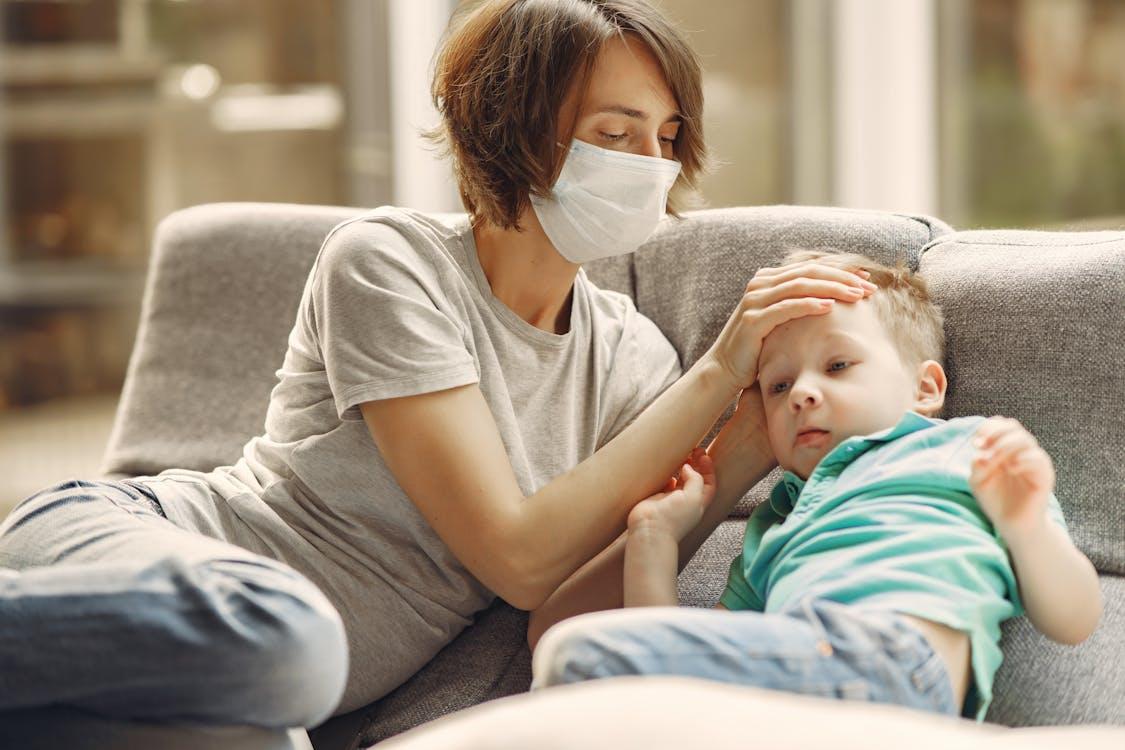
RSV can look like a common cold in older kids, but it can hit infants and toddlers harder. Symptoms often start with a runny nose and cough, then shift toward wheezing or fast breathing in some children. You can take RSV seriously without panic by focusing on the right signals.
The CDC estimates that RSV leads to about 58,000–80,000 hospitalizations each year among U.S. children under five. That number sounds scary, but it reflects the scale of RSV, not the outcome for most children. Most kids recover at home with supportive care.
You can monitor breathing closely. You can look for rapid breathing, flaring nostrils, visible chest pulling, or difficulty feeding due to shortness of breath. You can prioritize fluids and rest, and you can keep sick children home when the cough becomes intense or when breathing feels labored.
RSV often drives longer absences because cough and fatigue can linger. If your school requests documentation after multiple missed days, a real doctor’s note for work or school can help you cover those absences without extra friction.
Learn more about RSV in children in our dedicated blog on the topic: Recognizing RSV in Children: What Every Parent Should Know.
Strep Throat: The One That Usually Needs A Test
Strep throat often appears suddenly. Kids may wake up with a severe sore throat, fever, headache, or stomach discomfort. Many kids do not develop a runny nose or cough, which helps differentiate it from a standard cold, though symptoms vary.
Clinicians usually confirm strep with a rapid test or throat culture. The CDC advises that people with group A strep pharyngitis should stay home from school or daycare until they no longer have a fever and have taken antibiotics for at least 12–24 hours. That return-to-school guidance helps parents plan realistically.
At home, you can focus on comfort while you arrange an evaluation. You can encourage fluids, warm drinks, and rest. You can avoid sharing cups and utensils. You can also replace toothbrushes after the first day of appropriate treatment if a clinician recommends it, because bacteria can linger on personal items.
Because strep often triggers strict school exclusion rules, parents commonly need documentation. A real doctor’s note online can support the return timeline and satisfy attendance requirements when schools track contagious illnesses closely.
Learn more about how to spot strep throat in our dedicated blog on the topic: How to Spot Strep Throat vs a Regular Sore Throat in Children.
Influenza: When Symptoms Hit Hard And Fast
Influenza does not usually creep in slowly like a cold. Flu often hits abruptly with fever, body aches, chills, headache, and fatigue. Kids may also develop a cough and sore throat. Flu can disrupt school for several days, and recovery often feels slower than parents expect.
The flu can also become serious. The CDC’s MMWR reported 280 pediatric deaths during the 2024–2025 influenza season, the highest number reported since pediatric flu deaths became nationally notifiable in 2004, aside from the 2009–2010 pandemic period. That statistic doesn’t mean most children face severe outcomes, but it does reinforce why parents should monitor flu symptoms closely and follow public health guidance.
You can help flu recovery by prioritizing rest, hydration, and temperature management as advised by your child’s clinician. You can keep children home until the fever resolves without fever-reducing medication, and you can avoid sending them back during the “still exhausted” phase, because flu fatigue can affect concentration and stamina even after the fever ends.
Parents often need absence documentation for both school and work during flu weeks. If your employer expects paperwork, you may look for a doctor’s note for work that confirms you stayed home to manage illness and caregiving responsibilities.
Stomach Viruses: Fast Spread, Fast Dehydration Risk
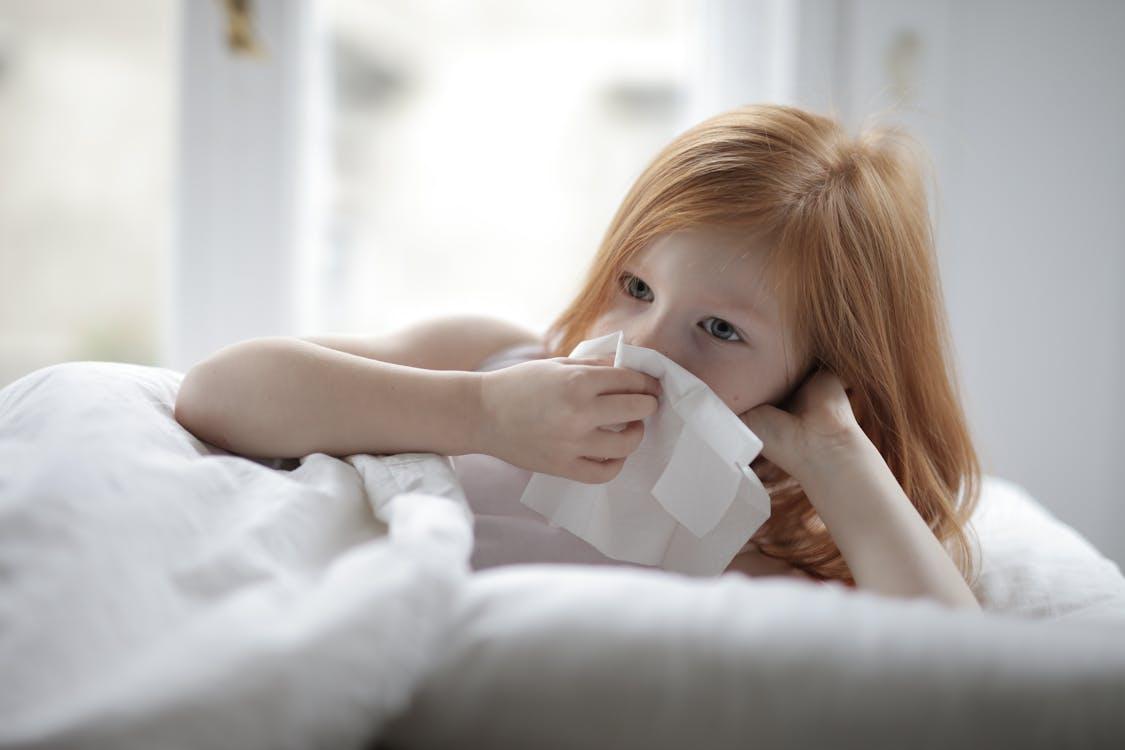
Gastrointestinal viruses create a different kind of urgency. Vomiting and diarrhea can spread rapidly through households and classrooms, and dehydration becomes the main concern, especially for younger children.
You can focus on small, frequent sips of fluid rather than big drinks that trigger more vomiting. You can watch for signs of dehydration, including fewer wet diapers or urination, dry mouth, lack of tears, and increasing lethargy. You can keep kids home until vomiting and diarrhea stop, because returning to school too soon often restarts outbreaks.
Stomach viruses also force parents to stay home from work, sometimes with little notice. That reality drives many searches for an online doctor’s note for work when employers require documentation for sudden absences.
Croup And Barking Cough Illnesses
Croup often appears in younger children and causes a distinctive barking cough that gets worse at night. Kids may also develop hoarseness and noisy breathing. Croup often results from a viral infection, and many cases improve at home, but breathing difficulty should always prompt evaluation.
If your child has noisy breathing at rest, visible chest retractions, or difficulty speaking or drinking, you should seek medical care. School attendance often becomes unrealistic during croup because cough can disrupt class, and sleep disruption can impact daytime functioning.
When absences extend beyond a day or two, schools may request a doctor’s note online for work or school, depending on the district’s policies and the parent’s employment needs.
Pink Eye: Contagious And Misunderstood
Conjunctivitis, often called pink eye, can come from viruses, bacteria, or allergies. Viral pink eye often occurs alongside colds. Bacterial pink eye can produce thicker discharge. Allergic conjunctivitis often appears with itchy eyes and seasonal allergy symptoms.
School policies vary widely. Some schools still require children to stay home until symptoms improve, while others allow return when the child can avoid touching their eyes and can maintain hygiene. You can call your school nurse to confirm the policy rather than guessing.
If your school requires documentation, a doctor’s note online can simplify compliance during an already busy illness week.
Fever And School: The Decision Parents Make Most Often
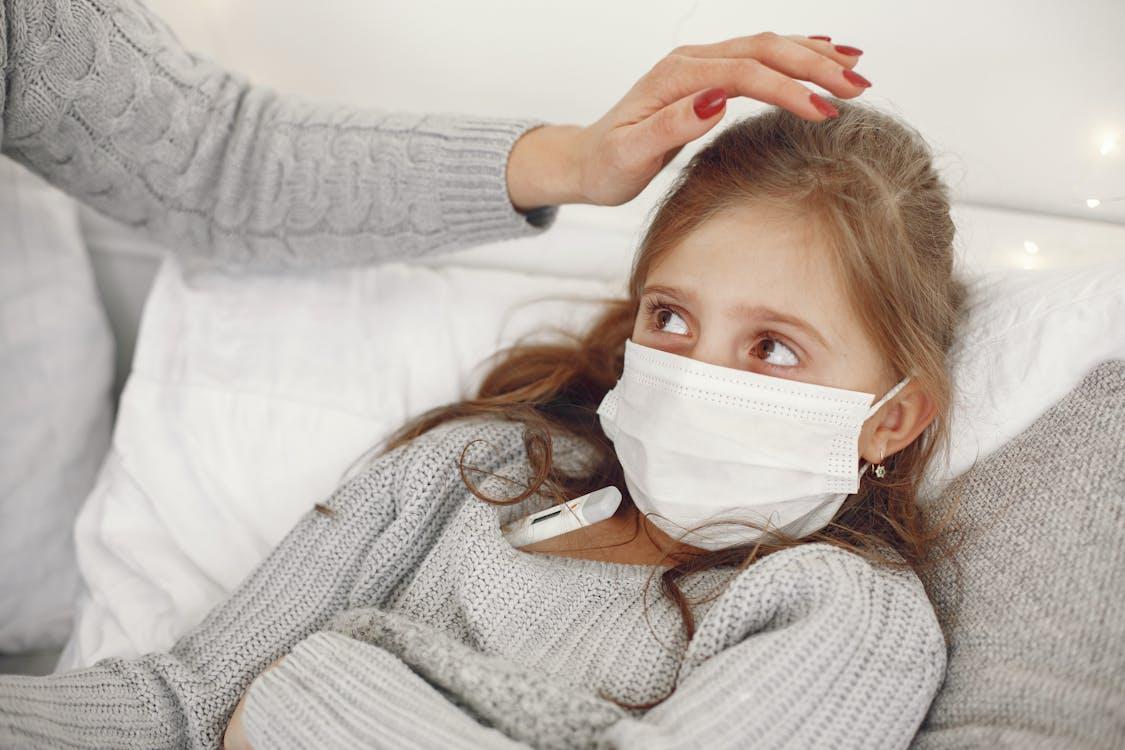
Fever drives most school absence decisions. Parents often wonder whether to send a child to school with a low-grade fever or keep them home “just in case.” You can make this decision easier by looking at the full picture rather than one number.
If your child has fever plus fatigue, body aches, vomiting, persistent cough, or sore throat that limits eating and drinking, staying home usually makes sense. If fever improves, energy returns, and symptoms stay mild, a child may manage a school day. You can also follow school rules, because many schools require children to stay home until they remain fever-free for a specific period.
When a school asks for documentation after repeated fever-related absences, a doctor’s note for school helps you protect attendance records while you prioritize rest.
Prevention That Works In Real Family Life
Parents hear prevention advice constantly, but the most effective strategies remain consistent and realistic. You can make handwashing non-negotiable before meals and after using the bathroom. You can encourage kids to carry tissues and use them properly. You can avoid sending a sick child back too early, because that choice spreads illness to classmates and often rebounds back to your own household.
You can also prioritize sleep. Sleep affects immune function, and kids who run on poor sleep often catch illnesses more easily and recover more slowly. You can support nutrition with whole foods and consistent meals, but you don’t need to chase perfect diets during illness weeks. You can focus on hydration, soups, fruit, and easy-to-digest options that your child will actually eat.
You can also keep vaccines current according to pediatric guidance. Vaccines do not prevent every respiratory virus, but they reduce the risk of serious outcomes for several illnesses and support community protection.
When You Should Contact A Clinician
Parents benefit from trusting their instincts. You should contact a clinician when symptoms worsen after initial improvement, when fever lasts longer than expected, when your child shows signs of dehydration, or when breathing changes concern you. You should also seek evaluation when symptoms suggest strep throat, severe ear infection, or influenza complications.
You should seek urgent care immediately if your child struggles to breathe, turns bluish around the lips or face, becomes difficult to wake, or shows signs of severe dehydration. Those situations require professional evaluation, not home monitoring.
This guide helps you recognize patterns, but medical professionals provide tailored care based on your child’s history and exam.
When A Doctor’s Note Becomes Part Of The School Routine
Many families don’t think about school documentation until the first multi-day illness hits. Then they discover that districts often require a note after a certain number of consecutive absences or after a pattern of absences appears across a semester. These rules vary by district, but they commonly aim to protect attendance integrity and prevent misuse of sick days.
A doctor’s note for absences confirms that illness kept a child home. It does not need to reveal private details. Parents often want a simple, legitimate way to meet school expectations without dragging a sick child into unnecessary appointments.
That’s why families often search for an online doctor’s note for work and school when illness affects both classroom attendance and parental work responsibilities. The goal is not to replace medical care. The goal is to document the time away so families can recover and return to routine smoothly.
FMLA: When Childhood Illness Requires Extended Support
Most childhood illnesses resolve within days, but some situations require more time. A child may recover slowly after influenza. A child may face repeated respiratory infections that create ongoing caregiving demands. A parent may need extended time away from work to manage care, follow-up appointments, and recovery support.
The Family and Medical Leave Act exists for these realities. When eligible, parents can take job-protected leave to care for a family member, including a child. Parents often feel overwhelmed by paperwork and timing, especially when they already feel stretched thin.
In those cases, FMLA certification can support the administrative side of leave. Parents can use documentation to align employer expectations with caregiving responsibilities. Families who need a smoother process may also look for online FMLA certification options to keep paperwork manageable during stressful periods.
Keeping Illness From Becoming A Household Crisis
Kids get sick. That fact won’t change. What changes is how prepared you feel when it happens.
You can keep a simple home “sick day” setup that includes oral hydration options, tissues, a thermometer, and a plan for school communication. You can keep your employer updated early when caregiving may affect work hours. You can also set realistic expectations for your child. Kids recover best when they don’t feel guilty for resting.
You can also remember that illness can affect emotions. Some children feel anxious about missing schoolwork. Some feel embarrassed about coughing or needing frequent bathroom breaks. A calm parent sets the tone. You can reassure them that rest is responsible and temporary.
A Final Reminder For Parents
You don’t need to solve every illness perfectly. You need to respond with steady judgment and compassionate care. You need to watch what matters, support recovery, and communicate clearly with school and work. When you have a plan, sick days feel less chaotic and more manageable.
This guide supports your decision-making, but you still know your child best. When your instincts tell you something feels off, you should seek professional care. When symptoms stay typical and mild, you can focus on rest, hydration, and comfort.
If you ever need reliable documentation to support rest, recovery, or school/work responsibilities, My Dr’s Note is here to help. We provide online sick notes, easy-to-access documentation, and now offer FMLA certification for individuals needing extended support.
Take care of your body. Listen to its signals. And when you need documentation that supports your health journey, My Dr’s Note makes the process simple, fast, and stress-free.