
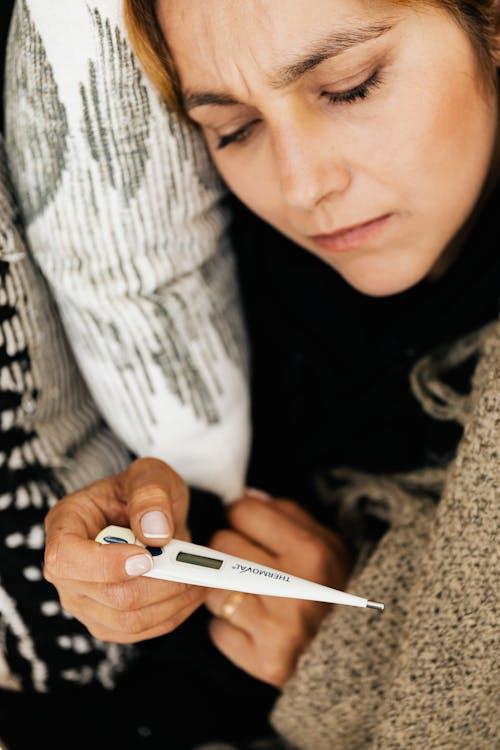
Getting an appointment with a primary care physician in the United States has become increasingly difficult. Growing wait times, a shrinking physician workforce, and rising demand from an aging population have created a documentation gap that leaves many employees without the medical verification they need for workplace absences. Access to a timely online doctor’s note is no longer a convenience. For many workers, it is the only realistic path to obtaining legitimate medical documentation within the timeframe their employer requires.
The role of telehealth for medical documentation has expanded dramatically in recent years, driven by federal policy support and a healthcare system that cannot keep pace with patient demand. At My Dr’s Note, we provide board-certified physician evaluations through a secure online platform that gives employees fast, verified documentation without the barriers of the traditional in-person system.
The Growing Shortage of Primary Care Availability
The numbers tell a stark story. According to the AAMC’s workforce analysis, the United States could face a shortage of up to 86,000 physicians by 2036, with primary care accounting for a significant portion of that gap. The AMA has documented how this shortage affects patients who struggle to find new physicians for both primary care and specialist needs.
For employees who need to get a doctor’s note online quickly, this shortage creates a practical problem. Many primary care offices have wait times of several weeks for non-urgent appointments. When an employee wakes up sick and needs documentation to cover their absence, the traditional system often cannot respond fast enough.
Rural communities and underserved areas face even greater challenges. The Health Resources and Services Administration has designated thousands of Health Professional Shortage Areas across the country, covering nearly 74 million people who already have limited access to primary care. For these populations, telehealth is not just an alternative. It is often the most accessible way to connect with a licensed physician and obtain the documentation that employers require for valid absences.
The problem extends beyond rural areas. Urban employees in states with high demand for healthcare services also experience significant scheduling delays. When an employee wakes up with a fever or a stomach illness and needs documentation for their employer, waiting two weeks for a primary care appointment is not a viable option. The gap between when documentation is needed and when the traditional system can provide it is where telehealth creates the most value.
How Virtual Medical Assessments Fill the Documentation Gap
Telehealth platforms address the access problem by removing geographic and scheduling barriers. A real online doctor’s note issued through a HIPAA-compliant telehealth service carries the same legal weight as one issued during an in-person visit, provided it is signed by a licensed, board-certified physician. Employers and schools across the country accept these notes because they meet the same professional standards as traditional clinic documentation.
Our asynchronous assessment model allows patients to complete a medical intake form online, which is then reviewed by the professionals at My Dr’s Note. For standard absence notes, no appointment is needed. The physician reviews the patient’s reported symptoms and, if the patient qualifies, issues an authenticated note within an hour. For more complex documentation needs like FMLA certification or ESA letters, a 15-minute video consultation provides the clinical evaluation required.
This model works for employees across all 50 states because our physicians hold board certifications and multi-state medical licenses. Whether someone needs a doctor’s note for work in Colorado, California, or New York, the documentation they receive meets the same professional standards and is backed by a verifiable medical group. The consistency of this approach is one of its greatest strengths, as it removes the geographic lottery that currently determines how easily an employee can access documentation.
The asynchronous model is particularly well-suited for mild illnesses that do not require complex medical decision-making but do require professional verification. Conditions like the common cold, seasonal flu, minor gastrointestinal issues, and similar short-duration illnesses are exactly the type of situations where an online assessment provides a medically appropriate and operationally efficient pathway to documentation.

The HHS telehealth policy center outlines the federal framework that supports these services, including the telehealth flexibilities that have been extended through 2027. The ASTHO has also highlighted how state legislatures are expanding audio-only and remote monitoring coverage to ensure broader access to virtual care.
Legitimacy and Verification in Online Healthcare
The growth of telehealth has brought legitimate and questionable services into the same digital space. This makes it important for employees to understand what separates a credible provider from an unreliable one.
A verified online doctor’s excuse for work should come from a provider operating through a licensed medical group. It should also use a HIPAA-compliant platform. The documentation should include the physician’s NPI number. It should also include contact information for employer verification.
Employees searching for a doctor’s note near me may find that an online service with nationwide reach is more accessible. This can be more practical than a local clinic with limited availability.
What matters is not proximity but the legitimacy of credentials. Verifiability of documentation is also essential. In practice, a telehealth note from a board-certified physician with a searchable NPI number is often more verifiable. This is compared to a handwritten note from a local walk-in clinic. That clinic may not publish its physician roster online.
Bridging the Gap Between Healthcare Access and Workplace Needs
The primary care shortage is not going to resolve overnight. In the meantime, millions of employees need medical documentation for workplace absences. However, the traditional healthcare system cannot always provide it on time.
Telehealth helps bridge this gap. It connects patients with licensed physicians who can evaluate their conditions. These physicians can also issue verified documentation without long scheduling delays or access barriers.
For employees in rural areas and underserved communities, telehealth is especially important. It also helps those whose regular physicians cannot accommodate urgent documentation requests. In many cases, telehealth is not a second-best option. It is often the most practical and effective option available.
For employees who need a real doctor’s note for work or more comprehensive FMLA certification, the ability to access a board-certified physician online is not a shortcut around proper healthcare. It is a modern, efficient, and clinically sound pathway to the documentation that both employees and employers depend on. The standards are the same. The credentials are the same. The only difference is the delivery method, and that difference works in the patient’s favor. An online doctor’s note for work from a verified provider protects everyone involved.
To connect with a board-certified physician and receive verified documentation for your next workplace absence, visit our online doctor’s note page or learn more about our FMLA certification services at My Dr’s Note.