

Recovery from illness or injury is rarely just a physical process. The stress of managing a health crisis while worrying about job security, income, and returning to normal life takes a measurable toll on mental health. For employees navigating medical absences, having access to an online doctor’s note is only part of the equation. The broader support system around that documentation plays an equally important role in whether someone truly recovers or simply returns to work still struggling.
We believe that professional medical support documentation should address the full scope of a patient’s needs, not just the immediate physical symptoms. That is why our services at My Dr’s Note extend beyond standard absence notes to include ESA letters, FMLA certification, and customized medical documentation that supports both physical and mental recovery.
Why Physical Recovery Alone Is Not Enough
Medical research has long established the connection between psychological stress and physical health outcomes. When employees are forced to choose between their health and their livelihood, the resulting anxiety can slow recovery, weaken immune response, and increase the likelihood of relapse. A study published by the National Institutes of Health documented how chronic workplace stress compounds the effects of illness, creating a cycle that extends absence duration rather than shortening it.
The pressure to return to work prematurely is one of the most common reasons employees experience setbacks during recovery. Without proper documentation that protects their position, many workers feel they have no choice but to go back before they are ready. This is where the connection between documentation and mental health becomes clear. A real doctor’s note online that covers the full period of recommended recovery gives employees the space they need to heal properly without the added burden of job insecurity.
For employees dealing with conditions that have both physical and psychological components, such as chronic pain, autoimmune disorders, or post-surgical recovery, the mental health dimension of recovery is especially significant. Addressing only the physical symptoms while ignoring the emotional impact is an incomplete approach that often leads to longer absences and poorer outcomes overall.
Research in the field of psychoneuroimmunology has shown that stress hormones like cortisol can directly suppress immune function, making the body less effective at fighting infection and healing from injury. For an employee who is already unwell, the added stress of worrying about job loss creates a biological feedback loop where anxiety impairs recovery and slower recovery increases anxiety. Professional documentation that removes the employment uncertainty breaks this cycle at its root.
Sleep quality is another critical factor that stress disrupts during recovery. Employees who are worried about the security of their positions often report insomnia or fragmented sleep patterns during their time off, which directly impairs the body’s ability to repair tissue, fight infection, and restore energy levels. When proper documentation eliminates the uncertainty around employment status, employees are more likely to achieve the restorative sleep that recovery demands.
Understand the importance of scheduled recuperation in our dedicated blog on the topic: Science of Rest: Why Scheduled Recuperation is Vital.
How Licensed Physicians Approach Recovery as a Whole
Board-certified physicians, particularly those trained in family medicine, are uniquely positioned to evaluate patients from a whole-person perspective. Rather than focusing exclusively on a single symptom or diagnosis, family medicine practitioners assess how a patient’s overall health, mental state, and living environment contribute to their recovery trajectory.
This training philosophy recognizes that health is not compartmentalized. A patient recovering from surgery, for example, may also be dealing with anxiety about their ability to return to work, financial stress from lost wages, and sleep disruption from pain management medications. A physician who evaluates only the surgical wound and ignores everything else misses the factors that most strongly predict how quickly and completely the patient will recover.
When we evaluate a patient for documentation purposes, they consider more than just the presenting condition. They assess the patient’s stress levels, support systems, and any barriers to recovery that could extend the absence or require additional accommodations. This comprehensive approach ensures that a doctor’s note reflects the full picture of what a patient needs to return to health, not just the minimum information required to satisfy an employer.
For patients who are managing multiple health concerns simultaneously, this holistic evaluation is especially important. A single office visit with a provider who looks at the whole picture can produce documentation that is more accurate, more defensible, and more supportive of the patient’s actual recovery needs than multiple fragmented encounters with different specialists who each see only their own piece of the puzzle. The continuity of this approach means that when the physician signs a certification or issues a note, it reflects a comprehensive understanding of the patient’s condition rather than a narrow snapshot of one appointment.

This approach is especially valuable for patients applying for FMLA certification, where the documentation must demonstrate a serious health condition that requires ongoing treatment or supervision. Physicians who understand the interplay between physical and mental health can provide more thorough, defensible certifications that accurately represent the patient’s needs.
The whole-person approach also means our physicians are better equipped to identify situations where additional support may be beneficial. For example, a patient recovering from a physical illness who also reports significant anxiety about returning to work may benefit from an extended recovery period or an intermittent FMLA schedule that allows for a gradual return. These nuances are often missed by providers who focus solely on the physical diagnosis and do not inquire about the patient’s broader circumstances.
Emotional Support Animals and Their Role in Stabilized Recovery
Emotional support animals provide comfort and stability to individuals dealing with mental health conditions such as anxiety, depression, and PTSD. Unlike service animals, ESAs do not require specialized training. Instead, their value comes from the companionship and emotional regulation they provide to their owners during periods of high stress or psychological difficulty.
The growing recognition of ESAs in the healthcare community reflects a broader understanding of how environmental factors influence mental health outcomes. For individuals who live alone, work remotely, or have limited social support networks, an ESA can provide a consistent source of comfort that helps regulate mood and reduce the intensity of anxiety or depressive episodes. This is not a casual observation. Clinical research supports the therapeutic value of the human-animal bond for individuals with documented mental health conditions.
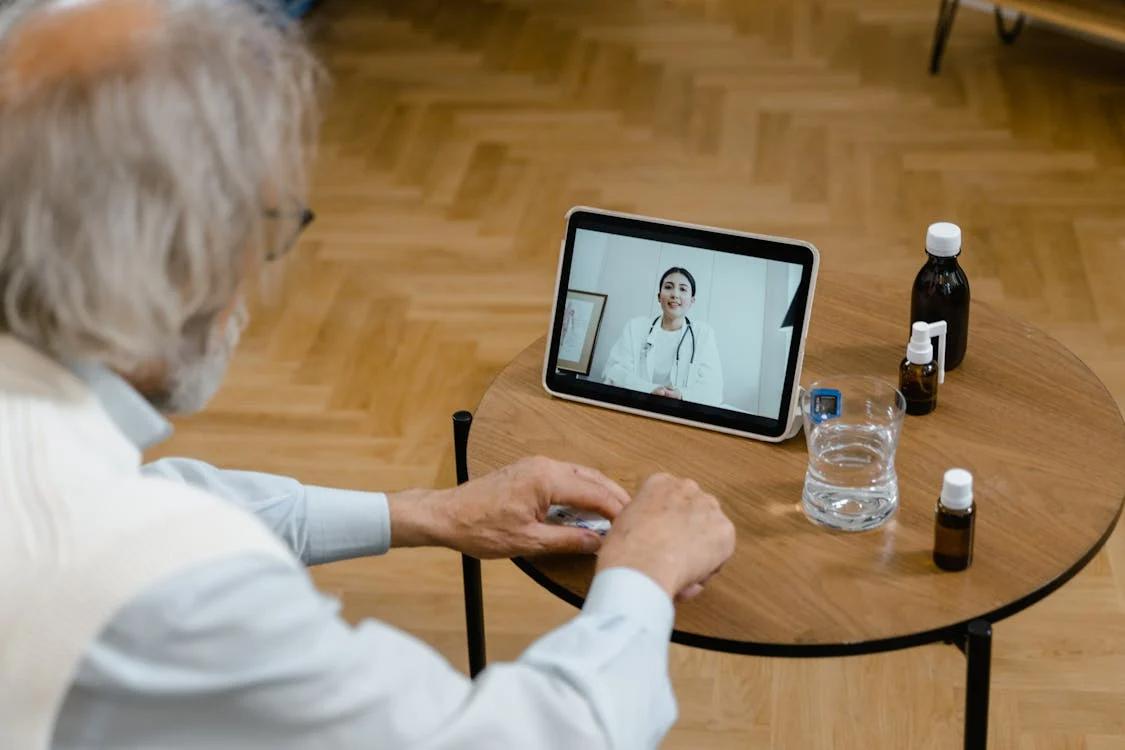
The clinical basis for ESA letters rests on the assessment that having an emotional support animal contributes meaningfully to a patient’s treatment plan and overall wellbeing. The American Medical Association has documented the growing role of telehealth in mental health care, and ESA evaluations are a natural extension of this trend. A licensed physician can conduct a thorough 15-minute clinical evaluation through a secure video visit and determine whether an ESA letter is appropriate for the patient’s situation. This evaluation follows the same clinical principles as an in-person mental health assessment, ensuring that the resulting letter reflects genuine medical judgment rather than a rubber-stamped approval.
Our ESA letter service operates on this clinical foundation. A board-certified physician evaluates the patient’s mental health needs, and if the patient qualifies, the letter is issued the same day through a secure portal. The letter complies with all federal and state requirements, including the specific waiting-period rules that apply in states like Arkansas, California, Iowa, Louisiana, and Montana.
The value of an ESA extends beyond the immediate comfort that the animal provides. For individuals in recovery from illness, the routine of caring for a pet, including feeding, walking, and simply being present with another living creature, provides structure to days that might otherwise feel aimless and isolating. This structure can be particularly beneficial during periods of medical leave when the absence of a work routine leaves a void that anxiety and depression can fill.
Legal Standards for ESA Letters and Housing Protections
The Fair Housing Act provides the primary legal framework for ESA protections in the United States. Under this law, landlords and property managers are generally required to make reasonable accommodations for tenants with documented emotional support animals, even in housing that otherwise prohibits pets. The U.S. Department of Housing and Urban Development has issued guidance clarifying that a valid ESA letter from a licensed healthcare professional constitutes sufficient documentation for this purpose.
A valid ESA letter must confirm that the patient has a qualifying mental or emotional disability and that the presence of an emotional support animal is necessary to alleviate symptoms of that disability. The letter must include the provider’s name, license number, and contact information. It must be dated and issued on official letterhead to ensure it meets the standards that housing providers expect. Without all of these elements, a letter may be challenged or rejected by a landlord, which can create additional stress for someone who is already in a vulnerable position.
It is important to note that airline policies regarding ESAs have changed significantly since 2021, when the Department of Transportation revised its rules to allow airlines to treat ESAs as pets rather than service animals. While some airlines may still accommodate ESAs voluntarily, the legal protection for air travel that existed before these changes is no longer in effect for most carriers. Housing protections under the Fair Housing Act, however, remain strong and fully enforceable.
For individuals who are renting or leasing housing and face no-pet policies, a valid ESA letter provides a legal right to reasonable accommodation that landlords cannot simply deny without cause. If a housing provider refuses to accept a properly issued ESA letter, the tenant may file a complaint with HUD or pursue legal action under the Fair Housing Act. Understanding these protections empowers ESA holders to advocate for themselves with confidence.
Landlords are permitted to request documentation verifying the need for an ESA, but they cannot require specific forms, charge pet fees or deposits for the ESA, or demand to know the specific diagnosis underlying the ESA recommendation. The letter itself, issued by a licensed healthcare provider, is the only documentation that should be necessary. Any landlord who imposes additional requirements beyond what the Fair Housing Act permits may be subject to a discrimination complaint.
The CDC’s resource on animal-related health benefits notes that the human-animal bond contributes positively to emotional regulation and stress reduction. For individuals recovering from illness while managing mental health conditions, this bond can be a meaningful part of their overall support system.
The Connection Between Job Security and Mental Health
The relationship between employment stability and mental wellbeing is well documented across multiple fields of research. Employees who feel secure in their jobs recover faster, report lower levels of anxiety during illness, and are more likely to follow their prescribed recovery plans. Conversely, employees who fear losing their jobs while on medical leave often experience heightened stress that directly interferes with the healing process.
This is why legitimate doctor’s note services and FMLA certification matter beyond their immediate administrative function. They are not just paperwork requirements. They are tools that provide psychological security during a vulnerable period. When an employee knows that their absence is properly documented and their position is protected, the mental burden of being away from work is significantly reduced.
The inverse is equally true. Employees who lack proper documentation often report higher levels of anxiety during their absences because they know their positions are vulnerable. This anxiety can manifest as sleep disturbance, elevated blood pressure, and difficulty concentrating on recovery, all of which extend the duration of illness and delay return-to-work timelines. Proper documentation does not just protect the job. It protects the recovery process itself.
For managers and HR professionals, understanding this connection can inform how they communicate with employees about documentation requirements. Framing documentation as a support tool rather than a compliance burden can reduce the stress that employees associate with the leave process and encourage timely submission of proper paperwork. When employees view the documentation process as something that helps them rather than something they must endure, they are more likely to engage with it proactively rather than waiting until a crisis forces their hand. This shift in perspective benefits the entire organization.
The SHRM resource on managing sick absences highlights how empathetic employer approaches to leave management correlate with better employee outcomes and higher return-to-work rates. Documentation that is thorough, timely, and professionally issued contributes to this positive dynamic by giving both the employee and the employer confidence in the process. When both parties trust the documentation, the leave period becomes a genuine recovery opportunity rather than a contested administrative process. Employers who recognize this connection often see reduced turnover, fewer extended absences, and a workforce that is more willing to communicate openly about health needs rather than hiding them.
Professional Documentation as a Foundation for Wellbeing
The various types of medical documentation we provide, from standard absence notes to FMLA certifications to ESA letters, all serve a common purpose. They create a verified, professional record that protects the patient’s rights and supports their recovery process. Each type of documentation addresses a different aspect of wellbeing, but together they form a comprehensive support system.
A standard doctor’s notes service addresses the immediate need for absence verification. FMLA certification provides longer-term job protection for serious health conditions. ESA letters support mental health by protecting the patient’s right to live with an emotional support animal. Travel cancellation notes protect financial interests when illness disrupts plans. And customized medical letters address unique situations that do not fit neatly into standard categories.
Learn about legal protections for traveling with licensed ESA letters in our dedicated guide: Legal Protections for Traveling with Licensed ESA Letters.
Each of these documentation types requires a different level of clinical evaluation and a different set of details in the final document. What they share is the need for a licensed, credentialed provider who can issue documentation that meets the specific standards of the institution or organization that will receive it. This is why a unified platform backed by board-certified physicians offers advantages over cobbling together documentation from multiple unrelated providers.
The efficiency of having a single trusted documentation provider is also significant from a practical standpoint. Employees who have already established a relationship with our physicians for one type of documentation, whether it was a sick note or an FMLA certification, can return for ESA evaluations, travel cancellation notes, or other needs without starting the intake process from scratch. The physician’s familiarity with the patient’s history allows for more informed evaluations and more accurate documentation across all service types. This continuity saves time for the patient and produces better clinical outcomes in the documentation itself, as the physician can reference prior assessments and track changes in the patient’s condition over time.
The DOL’s FMLA fact sheet describes the documentation framework that supports these protections at the federal level. For employees in Colorado, the FAMLI program provides additional paid leave protections that complement federal FMLA rights, creating an even stronger safety net for workers dealing with health challenges. Having a provider who understands both the federal and state requirements ensures that documentation meets all applicable standards simultaneously.

Supporting Recovery Through Verified Medical Channels
Recovery is not a one-dimensional process, and the documentation that supports it should not be either. Whether an employee needs a simple absence note for a mild illness, comprehensive FMLA certification for a chronic condition, or an ESA letter to support their mental health at home, the common thread is the need for legitimate, verified medical support from licensed professionals.
The healthcare system is gradually evolving to recognize that patient outcomes improve when mental health is given the same priority as physical health in the recovery process. Documentation services that reflect this understanding serve patients better than those that treat medical notes as purely administrative tasks disconnected from the broader recovery picture. A provider who views documentation as an integral part of patient care, rather than an afterthought, produces documents that more accurately represent what the patient needs and why.
We built our services around this understanding. Every document we issue through our platform is backed by board-certified physicians who take the time to evaluate each patient’s situation thoroughly. The result is documentation that meets employer and institutional standards while genuinely supporting the patient’s path to recovery. Providing an online doctor’s note for work is our starting point, but supporting whole-person recovery is our broader mission.
For employees who need documentation that protects their job, their housing, or their peace of mind during a health crisis, our team is ready to help. Whether it involves a real doctor’s note for a brief absence or a more complex FMLA certification, explore our services and connect with a board-certified physician at My Dr’s Note today.