
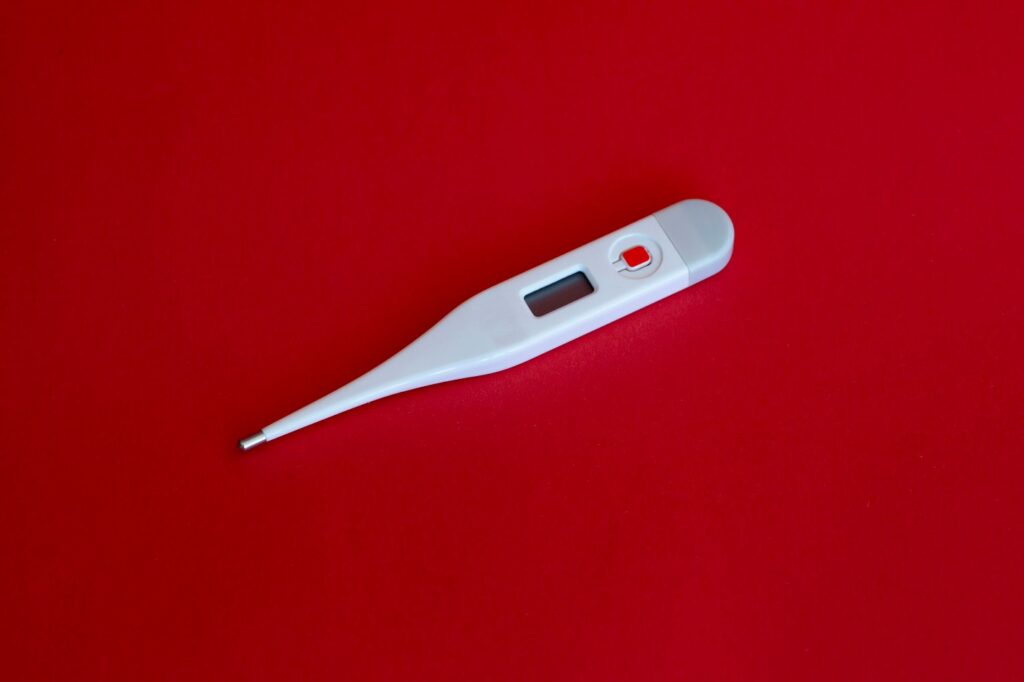
A high fever can feel alarming, especially when it strikes suddenly or persists longer than expected. For many patients, the immediate concern is how to bring the temperature down without overmedicating or taking unnecessary risks. While fever is a natural defense mechanism, knowing how to handle it safely at home can make recovery smoother and less stressful.
In this article, we will guide you through evidence-based strategies to reduce high fever, including hydration, rest, cooling techniques, and the responsible use of over-the-counter medicines. We will also explain which warning signs mean it’s time to seek medical care instead of continuing home treatment. For those who must miss class or work, our physicians can provide a doctor’s note for school or a doctor’s excuse online, ensuring your absence is documented while you recover.
Understanding High Fever
Before you can safely manage fever, it helps to understand what qualifies as “high.” A typical fever ranges between 100.4°F (38°C) and 101.9°F (38.8°C). When the body temperature rises above 102°F (38.9°C), it is usually considered a high fever. If the reading climbs to 104°F (40°C) or higher, urgent attention is needed, as the body is under significant stress at that level.
Fever occurs because the immune system raises body temperature to make it harder for bacteria and viruses to thrive. This natural response is helpful, but prolonged or very high fevers can cause dehydration, weakness, and, in rare cases, complications such as seizures in children.
For most people, a high fever can be managed at home with hydration, rest, and monitoring. However, it often requires taking time away from school or work. In these situations, patients can request a doctor’s note for work online or even an online sick note for work, making it easier to focus on recovery without added stress.
How to Reduce High Fever at Home Safely
1. Hydration and Nutrition
One of the most important ways to reduce high fever safely is to prevent dehydration. Fever accelerates fluid loss through sweating and rapid breathing, which means the body needs more water than usual to stay balanced. Adults should aim for at least two liters of fluids daily, while children should be encouraged to sip frequently throughout the day.
The best fluids include plain water, herbal teas, clear broths, or oral rehydration solutions when sweating is severe. Sugary sodas and caffeinated beverages should be avoided, as they can worsen dehydration. Patients who cannot attend school because of illness may need formal documentation. In such cases, requesting a doctor’s note for school ensures that absences are properly explained.
Food also plays a role in recovery. Small, nutrient-rich meals like fruits, vegetables, and lean proteins provide energy for the immune system. Even if appetite is reduced, focusing on light, wholesome foods can make it easier for the body to heal. For working adults, taking time off is sometimes unavoidable. With our service, you can get a doctor’s note online, making sure your employer understands your need for rest.

2. Rest and Sleep
When fever strikes, rest is not a luxury — it is a critical part of recovery. The immune system works best when the body conserves energy, and adequate sleep allows healing processes to run efficiently. Adults should aim for seven to eight hours of sleep, while children often require more. Good sleep hygiene, such as dimming lights, keeping the room cool, and limiting screen time before bed, can make rest more restorative.
Knowing when to slow down can also help reduce high fever more effectively than overmedication. Overexertion, even with mild activity, can prolong illness and make symptoms worse. For patients required to provide proof of absence, requesting a doctor’s excuse online is a convenient way to focus on recovery without additional stress.
Short naps throughout the day can also help when nighttime sleep is interrupted by chills or sweats. The body does its most important repair work during deep sleep, making downtime as essential as hydration. For those unable to return to work quickly, options like an online doctor’s note for work provide peace of mind and professional documentation.
3. Cooling Techniques
Simple cooling measures can bring significant comfort during a high fever. Applying a cool compress to the forehead, taking a lukewarm bath, or using a fan to circulate air in the room can all provide relief. Light, breathable clothing and thin blankets also help the body regulate temperature without trapping excess heat.
It is important to note that extreme measures can be harmful. Ice baths and alcohol rubs, though sometimes suggested, can shock the body or cause dangerous reactions. Safe approaches are always gradual and gentle, designed to support the body’s natural ability to reduce high fever without adding stress. For those unable to attend work while ill, requesting an online sick note for work ensures your absence is justified with a legitimate physician-issued document.
Some patients also find comfort in drinking slightly cooled fluids or resting in a room that is a few degrees cooler than usual. The key is moderation — lowering the temperature too quickly can be as uncomfortable as the fever itself. When a fever requires several days of rest, a real doctor’s note for work can be requested to support the time off.

4. Over-the-Counter Medications
Over-the-counter medications can help manage discomfort, but they should be used wisely. Acetaminophen and ibuprofen are the most common options for reducing fever. Dosage should always be based on age and weight, and directions on the label must be followed carefully. For children, aspirin should never be used due to the risk of Reye’s syndrome.
These medicines are best reserved for times when fever causes significant discomfort or interferes with sleep. Using them too often can mask underlying issues or create unnecessary risks. The goal is not to eliminate fever but to manage it responsibly. When illness leads to missed responsibilities, patients can request a doctor’s note for work online to provide employers with appropriate documentation.
Alternating between acetaminophen and ibuprofen is sometimes recommended, but only under medical advice. It is important not to exceed daily dosage limits or to medicate without a clear need. Pairing medication with hydration and rest remains the safest strategy to reduce high fever. If extended time off is required, requesting a doctor’s note online can help ensure proper communication with school or workplace authorities.
5. Creating the Right Environment
Your surroundings can play a major role in helping to reduce a high fever safely. A well-ventilated room with fresh air allows the body to regulate temperature more effectively, while avoiding extremes of heat or cold. Dim lighting can also ease sensitivity, especially when headaches accompany a fever. Keeping essential items like water, tissues, and cool compresses nearby reduces strain on the body and encourages steady rest.
If you need time away from professional responsibilities during recovery, a doctor’s note for work assures that your absence is valid while you focus on regaining strength.

Managing High Fever with Confidence
Fever is the body’s way of fighting infection, but very high temperatures can feel overwhelming. With the right steps — hydration, rest, safe cooling, and responsible use of medications — it is possible to reduce high fever safely at home. Knowing when to act and when to seek medical evaluation helps prevent complications and ensures a faster recovery.
At My Dr’s Note, we understand that illness often disrupts work and school responsibilities. That is why we provide legitimate documentation, from a doctor’s note for school to FMLA certification, so patients can prioritize their health without worrying about absences.
If fever has kept you or your family from daily obligations, we encourage you to visit our website and connect with our team to learn how we can support your needs with trusted physician-issued notes.
