

Fatigue is common, but when it returns day after day with no clear cause, it becomes something different. Ongoing tiredness can point to pressure on the body’s systems, including the immune response, sleep patterns, and hormone balance. Many people dismiss it as stress or workload, but recurring exhaustion deserves careful attention.
Learn why persistent fatigue develops, how it connects to chronic fatigue and immunity, and when it should be viewed as a medical concern.
What Sets Persistent Fatigue Apart
A person may feel tired after a long day, but persistent fatigue stays even after rest. It affects concentration, mood, and the ability to complete routine tasks. It can also produce physical symptoms that hint at deeper health strain.
Common signs include:
- Morning tiredness despite a full night of sleep
- Heavy limbs or muscle weakness
- Difficulty focusing
- Low motivation
- Irritation or low mood
- Headaches
- Increased sensitivity to stress
When symptoms continue for weeks, the body may be signaling an imbalance that needs attention. Persistent fatigue can limit physical and cognitive performance throughout the day.
Daily productivity may drop because the body does not recover fully between activity cycles. Prolonged tiredness can also reduce alertness and task accuracy.
How Immune Function Connects to Ongoing Exhaustion

Research shows that the immune system and energy regulation are closely connected. When the immune system becomes strained, the body shifts energy toward recovery, which can produce pronounced tiredness. Many people describe this pattern when discussing chronic fatigue and immunity.
An immune strain can lower energy availability, which affects overall output. Recovery timelines from minor illnesses may extend due to sustained immune activation. This pattern becomes more apparent when immune stress is repetitive or long-lasting.
How Immune Imbalance Increases Fatigue
- The body releases inflammatory molecules during immune stress.
- These molecules signal the brain to conserve energy.
- Sleep patterns may shift, further affecting energy levels.
- Muscles may recover more slowly, creating physical tiredness.
This process is helpful during short-term illness, but when inflammation continues for long periods, fatigue becomes persistent.
Extended inflammation can influence neurotransmitter activity linked to energy regulation. Reduced activity levels may develop as the body shifts resources toward immune recovery. This trend can continue until the underlying immune stress decreases.
Lifestyle Strain as a Common Driver of Exhaustion
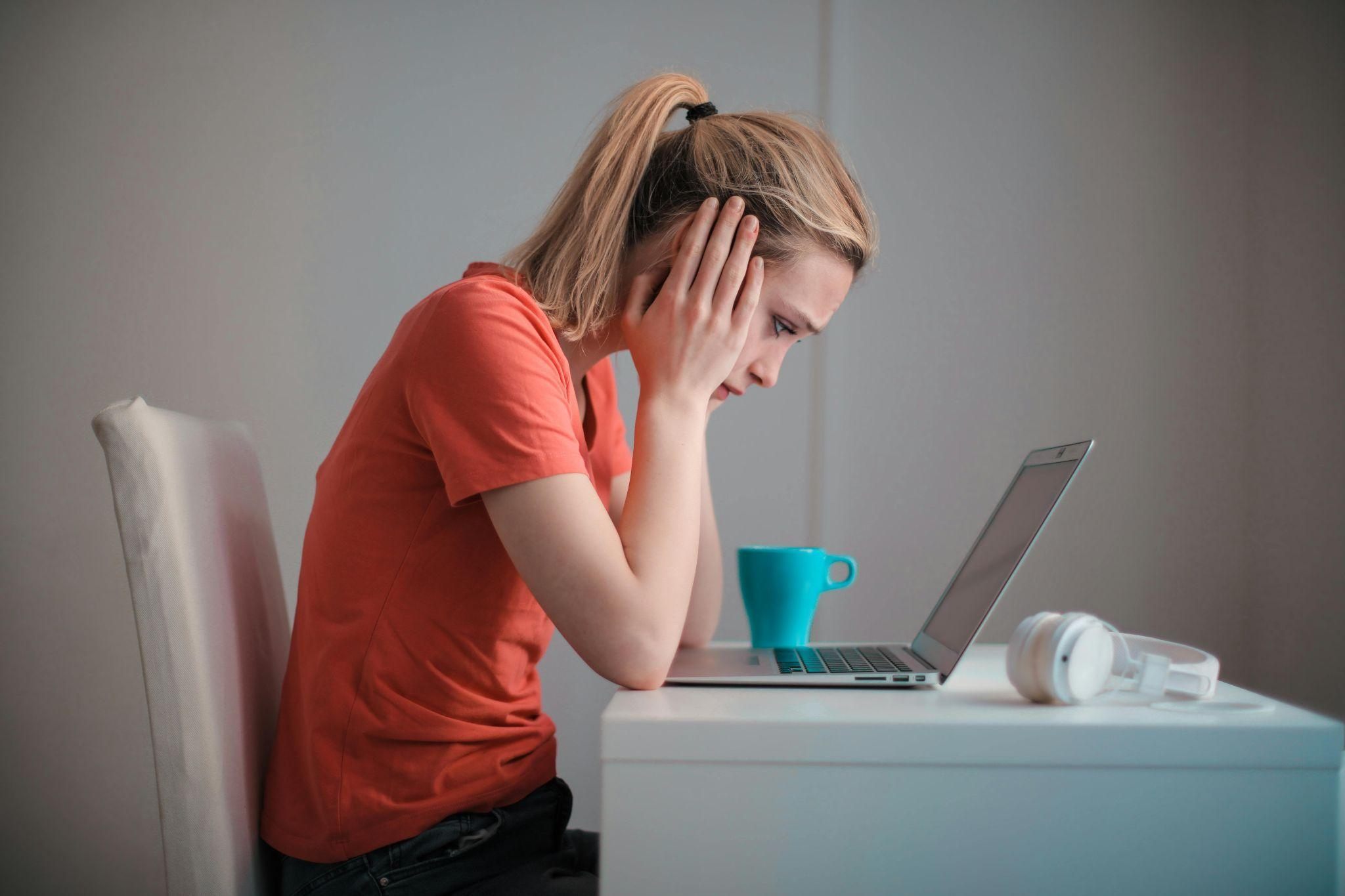
Modern routines often push the body far beyond its limits. When rest, nutrition, or movement patterns fall out of balance, energy production drops. Gradual accumulation of routine stressors can contribute to measurable declines in energy.
Disruption of daily rhythms can interfere with the body’s normal recovery processes. Over time, these influences may create a pattern of persistent tiredness.
Common Lifestyle Factors That Contribute to Long-Term Fatigue
- High stress with limited breaks
- Irregular sleep schedules
- Poor-quality sleep
- High caffeine intake
- Long sitting periods
- Limited sunlight exposure
- Dehydration
- Skipped meals or unbalanced diets
- Overtraining during workouts
These patterns place steady strain on energy regulation. Even without a medical condition, these factors can produce symptoms similar to chronic fatigue and immunity disruptions.
Persistent exposure to these factors may reduce metabolic efficiency over time. Unmanaged stressors can increase daily energy demands. Addressing these contributors can support more stable energy output.
Hormone and Metabolic Factors
Hormone imbalances can also contribute to ongoing exhaustion. Hormones direct how the body uses energy, how quickly cells repair themselves, and how the nervous system responds to stress.
Common conditions linked to long-term fatigue include:
- Thyroid disorders
- Diabetes
- Iron deficiency
- B12 deficiency
- Adrenal strain from prolonged stress
When hormone levels shift, the body may struggle to maintain stable energy. Changes in appetite, mood, or sleep may appear alongside fatigue, depending on the condition.
Sleep Quality Matters as Much as Sleep Hours
Someone may spend eight hours in bed but still wake up exhausted. This often happens when sleep quality is disrupted. Interruptions in sleep cycles limit the body’s capacity for physical and cognitive recovery.
Stress-related arousal can disrupt deep sleep, even if total hours seem adequate. Low-quality sleep frequently correlates with reduced next-day performance.
Possible causes include:
- Sleep apnea
- Restless sleep cycles
- Poor sleep hygiene
- Late-night screen exposure
- Caffeine late in the day
- High nighttime stress
Low-quality sleep disrupts the body’s repair processes, leaving the immune system and energy systems strained.
When Fatigue Suggests Infection or Post-Illness Strain
Some infections, even mild ones, can produce long-lasting fatigue because the immune system continues recovery long after symptoms fade. Viral infections are especially known for long-term tiredness.
Energy levels may decrease sharply during and after infection due to ongoing immune repair. Immune activity may remain elevated after symptoms resolve, which prolongs tiredness.
Post-illness exhaustion may show up as:
- Sudden need for naps
- Muscle heaviness
- Low energy after minor tasks
- Difficulty returning to normal routines
Mental Health and Emotional Load
Emotional strain can strongly influence physical energy. Conditions like depression and anxiety often produce physical tiredness that feels difficult to shake.
Fatigue linked to mental health may appear as:
- Low interest in activities
- Slower thought processing
- Sudden energy drops during the day
- Difficulty getting out of bed
Supporting mental well-being can improve physical energy over time.
Environmental Factors That Reduce Energy
Many environmental conditions influence how energized a person feels without them realizing it.
Examples include:
- Low indoor air quality
- Mold exposure
- Poor lighting
- Loud or chaotic workspaces
- Chronic noise
- Overheated or cold indoor environments
These stressors drain the body’s resources and contribute to ongoing exhaustion.
Warning Signs That Fatigue Should Not Be Ignored

Some symptoms indicate that long-term tiredness may be more than lifestyle strain. These patterns should prompt medical attention.
Red Flags to Pay Attention To
- Fatigue lasting longer than four weeks
- Severe tiredness after light activity
- Sudden weight changes
- Shortness of breath
- Chest discomfort
- Night sweats
- Swollen lymph nodes
- Fevers that come and go
- Muscle pain or joint stiffness
- Large changes in sleep patterns
- Inability to stay awake during routine tasks
When multiple symptoms appear together, the cause may be medical rather than behavioral.
How to Support Energy Levels Safely
Although the source of fatigue varies, certain habits support better energy regulation and immune balance. These habits help stabilize daily function while deeper issues are being evaluated.
Supportive Daily Habits
- Maintain regular sleep and wake times
- Drink water throughout the day
- Eat steady, balanced meals
- Spend time outdoors for natural light exposure
- Include gentle physical activity
- Limit caffeine after mid-afternoon
- Reduce late-night screen time
- Break long sitting periods
- Keep work and rest routines steady
These steps help restore natural rhythms and reduce strain on metabolic and immune systems.
When Professional Evaluation Matters

Long-term fatigue should be discussed with a healthcare provider when:
- Symptoms last for more than a month
- Fatigue affects work, school, or basic tasks
- There is a sudden drop in functioning
- Symptoms include pain, fever, or unexplained weight changes
A professional evaluation may include blood tests, sleep assessments, and a review of lifestyle factors. Early guidance can help prevent symptoms from worsening.
My Dr’s Note Helps With Documentation Needs
When illnesses affect daily functioning, proper documentation becomes important. My Dr’s Note provides secure support for those who need a real doctor’s note online for work or an online doctor’s note for school when rest or recovery time is necessary. Individuals who need to get a doctor’s note for work online can use this service to receive clear, verified paperwork without delay.
Contact today to get a legit doctor’s note online!