

Modern healthcare is shifting faster than ever, and the most important evolution isn’t a new medicine or surgical technique—it’s a new mindset. Around the world, individuals, families, and workplaces are embracing prevention-first healthcare, an approach focused on anticipating health needs instead of reacting to crises.
This method goes far beyond annual checkups or fitness plans. It encompasses early symptom recognition, consistent primary care routines, detailed personal medical records, smart home health devices, and lifestyle disease prevention.
With digital tools becoming more accessible, people now have more control over their wellness than any generation before them.
Whether you’re a student juggling wellness with academics, looking for an online doctor note for school, a parent managing family health, or an employee balancing work and life demands, this guide will help you understand how to take charge of your health proactively—and why prevention-first healthcare is the future.
1. What Is Prevention-First Healthcare?
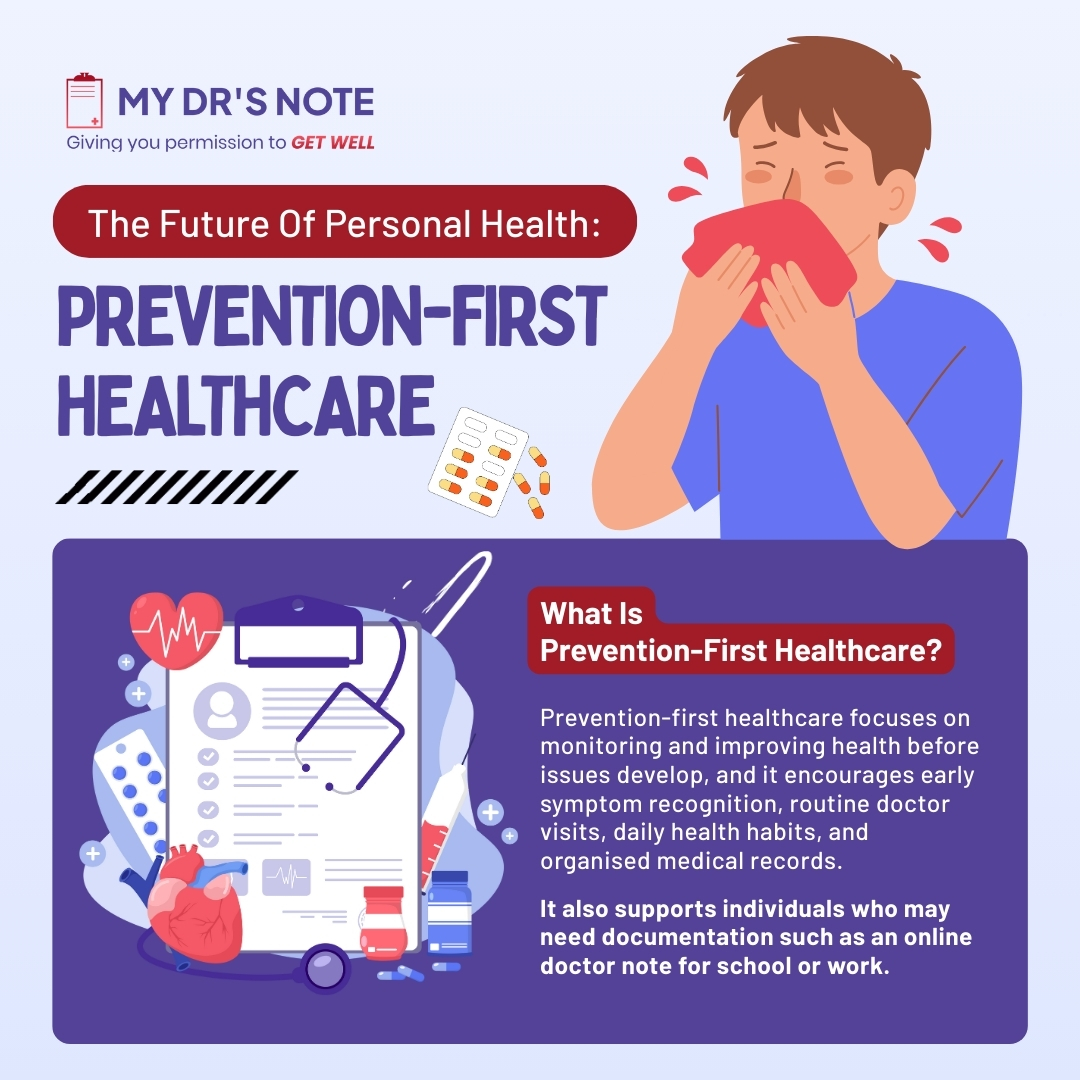
Prevention-first healthcare is the practice of monitoring, maintaining, and improving your health before problems arise. Instead of waiting for symptoms to worsen, this approach encourages individuals to track their well-being consistently and take timely action.
It includes:
- Understanding your body’s baseline
- Identifying early warning signs
- Scheduling routine doctor visits
- Using at-home monitoring tools
- Practicing daily healthy habits
- Keeping well-organized personal medical records
- Seeking help or documentation—such as an online doctor note for school, a real doctor’s note online, or an online sick note for work—when health interruptions occur.
In the modern world, prevention doesn’t just protect your body; it supports your mental, emotional, and work-life stability. This is especially important as schools, workplaces, and organizations require accurate documentation whenever health issues arise.
2. Why Prevention Matters More Than Ever
The Rise of Lifestyle-Linked Conditions
Conditions such as diabetes, hypertension, obesity, and anxiety disorders are more widespread today due to sedentary routines and high-stress environments. These conditions develop gradually, often with subtle signs. Prevention-first healthcare gives people the tools to act early.
Healthcare Costs Are Rising
Treating advanced conditions is significantly more expensive than preventing them. By focusing on early detection, individuals can reduce healthcare spending while improving long-term outcomes.
Digital Tools Have Made Prevention Practical
With health tracking apps, wearable devices, and telehealth options, monitoring your health has never been easier. Even obtaining documentation, such as an online doctor’s note for work or an online doctor’s excuse for work, is now possible in minutes without disrupting your day.
Work and School Expectations Are Changing
From remote work to digital classrooms, institutions now rely more on written verification. Prevention-focused individuals prepare for disruptions by keeping organized documentation, like:
- Online sick notes
- Attendance-related medical records
- Updated health monitoring logs
This blend of digital convenience and personal responsibility forms the foundation of prevention-first healthcare.
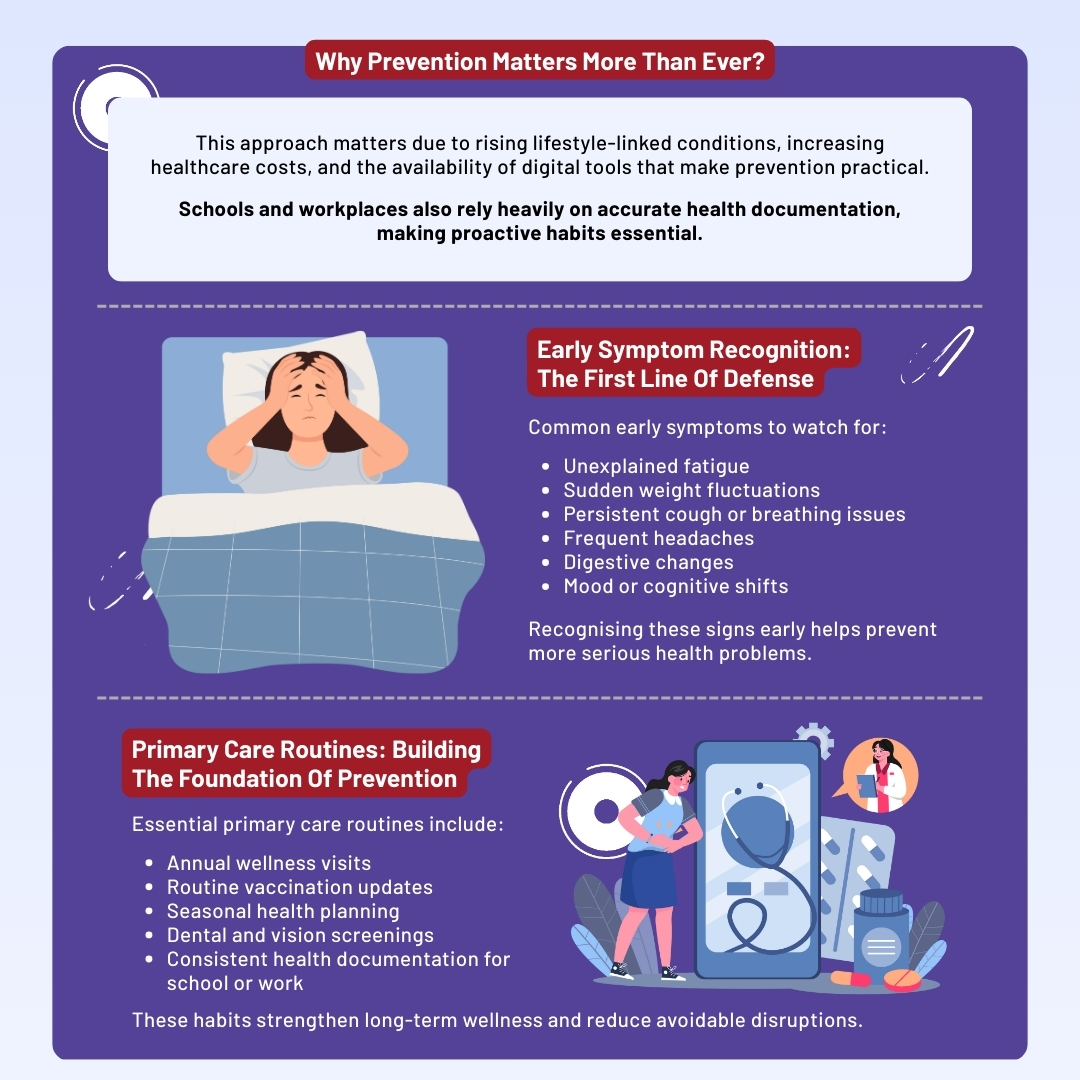
3. Early Symptom Recognition: The First Line of Defense

Learning to recognize early symptoms is one of the most valuable skills in preventive health. Many major conditions begin with small, easily overlooked signs.
Common Early Symptoms to Watch For
1. Unexplained Fatigue
Persistent tiredness can indicate nutritional deficiencies, thyroid concerns, sleep problems, or chronic stress.
2. Sudden Weight Fluctuations
Changes in appetite, metabolism, or emotional health frequently show up through weight shifts.
3. Persistent Cough or Breathing Issues
Especially important in seasonal shifts, environmental allergies, and respiratory conditions.
4. Frequent Headaches
These may point to dehydration, stress, vision issues, or sleep disturbances.
5. Digestive Changes
Bloating, discomfort, irregularity, or nausea may track back to diet, hydration, or underlying conditions.
6. Mood or Cognitive Shifts
Brain fog, irritability, and increased anxiety often signal stress overload or imbalance.
When recognized early, these symptoms allow individuals to seek proper care before issues escalate.
4. Primary Care Routines: Building the Foundation of Prevention
Primary care routines form the backbone of prevention-first healthcare, emphasizing consistent health monitoring rather than reactive care. By proactively engaging in regular health practices, individuals can maintain a steady state of well-being and catch potential issues before they escalate. This approach not only promotes long-term wellness but also supports daily life obligations, including school and work responsibilities, through tools like an online doctor note for school or a real doctor’s note online when needed.
Essential Primary Care Routines
- Annual Wellness Visits
Annual checkups are more than just a formality—they provide vital data points that create a clear picture of your overall health. During these visits, healthcare professionals monitor key indicators such as:
- Blood pressure
- Blood sugar levels
- Nutrient levels
- Heart health
- Hormonal balance
Even if you feel completely healthy, scheduling an annual exam ensures your baseline health metrics are recorded, allowing for early detection of changes over time. For students and working adults, maintaining consistent visits can also make obtaining a legitimate online doctor note for school or an online sick note for work simpler and faster.
- Routine Vaccination Updates

Staying current with vaccinations is a core component of preventive care. Immunizations protect not only the individual but also the community, preventing the spread of infectious diseases. Modern healthcare also allows for documentation of vaccination status, which can sometimes be essential for work or school compliance, complementing online DR notes for work when health-related absences occur.
- Seasonal Health Planning
Each season presents unique health challenges, and adjusting routines accordingly is crucial:
- Winter:Prioritize flu shots, vitamin D intake, and strategies to minimize cold exposure.
- Spring:Focus on allergy management and respiratory health.
- Summer:Emphasize hydration, sun safety, and heat stress prevention.
- Fall:Strengthen immune function in preparation for winter illnesses.
Strategically planning for these seasonal health considerations can help reduce unplanned sick days, allowing you to rely less on online doctor’s excuses for work and more on proactive prevention.
- Dental & Vision Screening
Oral and eye health are often overlooked but have profound effects on overall wellness. Regular dental cleanings and vision exams prevent complications that may affect cognitive function, productivity, and general quality of life. Maintaining these screenings ensures fewer disruptions to daily routines and can support documentation needs, such as a real doctor’s noteonlinefor missed school or work. - Consistent Health Documentation
Keeping a detailed record of symptoms, sick days, and medical visits is essential in a Prevention-First approach. This habit not only provides a comprehensive health history but also streamlines the process of obtaining official documentation:
- Students can quickly submit anonline doctor’s note for school when absences occur.
- Employees can secure an online DR note for workor an online sick note for work without delay.
- Individuals can track long-term trends in their health for more informed discussions with healthcare providers.
By integrating these primary care routines into your lifestyle, you create a strong foundation for preventive health. Consistent monitoring, seasonal preparation, and proper documentation work together to reduce illness, optimize wellness, and simplify obligations, allowing you to maintain productivity at school and work with the support of online doctors’ excuses for work whenever necessary.
- The Power of Annual Checkups
Annual checkups are a cornerstone of prevention-first healthcare, providing a proactive approach to maintaining and improving overall health. These regular visits go far beyond simply determining whether you are currently ill—they offer a comprehensive overview of your physical well-being, allowing both you and your healthcare provider to spot changes early, monitor trends, and make informed decisions about your long-term health. In essence, an annual checkup acts as a health compass, guiding you toward a lifestyle that reduces risk factors, prevents disease, and promotes vitality.
What Annual Checkups Typically Include
During a standard annual checkup, your healthcare provider performs a series of evaluations designed to give a complete picture of your health. Key components include:
- Vital signs review:Measuring blood pressure, heart rate, temperature, and respiratory rate provides insight into your cardiovascular and overall systemic health. Changes in these numbers can be early indicators of underlying conditions.
- Blood tests:Routine lab work checks cholesterol levels, blood sugar, kidney and liver function, and other important biomarkers, helping detect conditions like diabetes, high cholesterol, or thyroid imbalances before symptoms arise.
- Physical exam:A hands-on evaluation allows providers to examine your body for signs of illness or abnormalities, from heart and lung function to musculoskeletal health.
- Risk assessment conversations:Discussions about family history, lifestyle habits, and environmental exposures help identify factors that may increase your risk for certain conditions.
- Medication check:Reviewing your current medications ensures they are still appropriate, effective, and free of harmful interactions.
- Long-term health planning:Providers work with you to set achievable goals, whether it’s improving fitness, managing stress, or adjusting nutrition, offering a roadmap to better health outcomes.
Why Annual Checkups Matter
Even if you feel healthy and rarely experience illness, annual checkups are critical. Here’s why:
- Early disease detection:Many serious health conditions, including hypertension, diabetes, and certain cancers, can develop silently. Regular checkups increase the chances of catching these issues early, when they are most treatable.
- Tracking progress:Comparing current results with past data helps both you and your provider see trends, measure improvements, or detect subtle declines that might otherwise go unnoticed.
- Preventive adjustments:Checkups provide the opportunity to modify exercise routines, nutrition plans, or medications before minor issues become major health problems.
- Documentation for personal records:Maintaining accurate, up-to-date medical records supports informed decisions in future healthcare encounters and can be valuable for insurance or employment purposes.
- Overall health stability:Regular monitoring fosters a sense of accountability and encourages proactive choices, contributing to long-term wellness and a reduced risk of sudden health crises.
Curious about how yearly exams can help detect hidden health issues and lower your risk of preventable illnesses? Check out our blog: Annual Checkups: What to Expect and Why They Still Matter to learn more.
In short, annual checkups act as a safety net for everyone, not just those experiencing symptoms. They empower individuals to take charge of their health, identify risks early, and implement lifestyle or medical interventions before serious issues arise. By incorporating these visits into your routine, you embrace the essence of prevention-first healthcare—prioritizing wellness, not just treatment.
- Creating and Managing Personal Medical Records
In the digital era, personal medical records are more important than ever. They provide essential context not only for healthcare providers but also for schools, workplaces, and legal or administrative processes.
What to Include in Your Personal Medical Record
- Vaccination history
- Medication lists
- Past diagnoses
- Allergy information
- Blood test results
- Sick notes or doctor’s notes
- FMLA-related documentation
- Notes from annual checkups
Having organized records makes it easier when you need:
- A real doctor’s note online
- An online DR note for work
- A new FMLA certification
- Documentation for travel, school, or workplace clearance
Good record-keeping supports preventive health by ensuring nothing gets overlooked.
- Home Health Monitoring Devices: Your Daily Wellness Tools
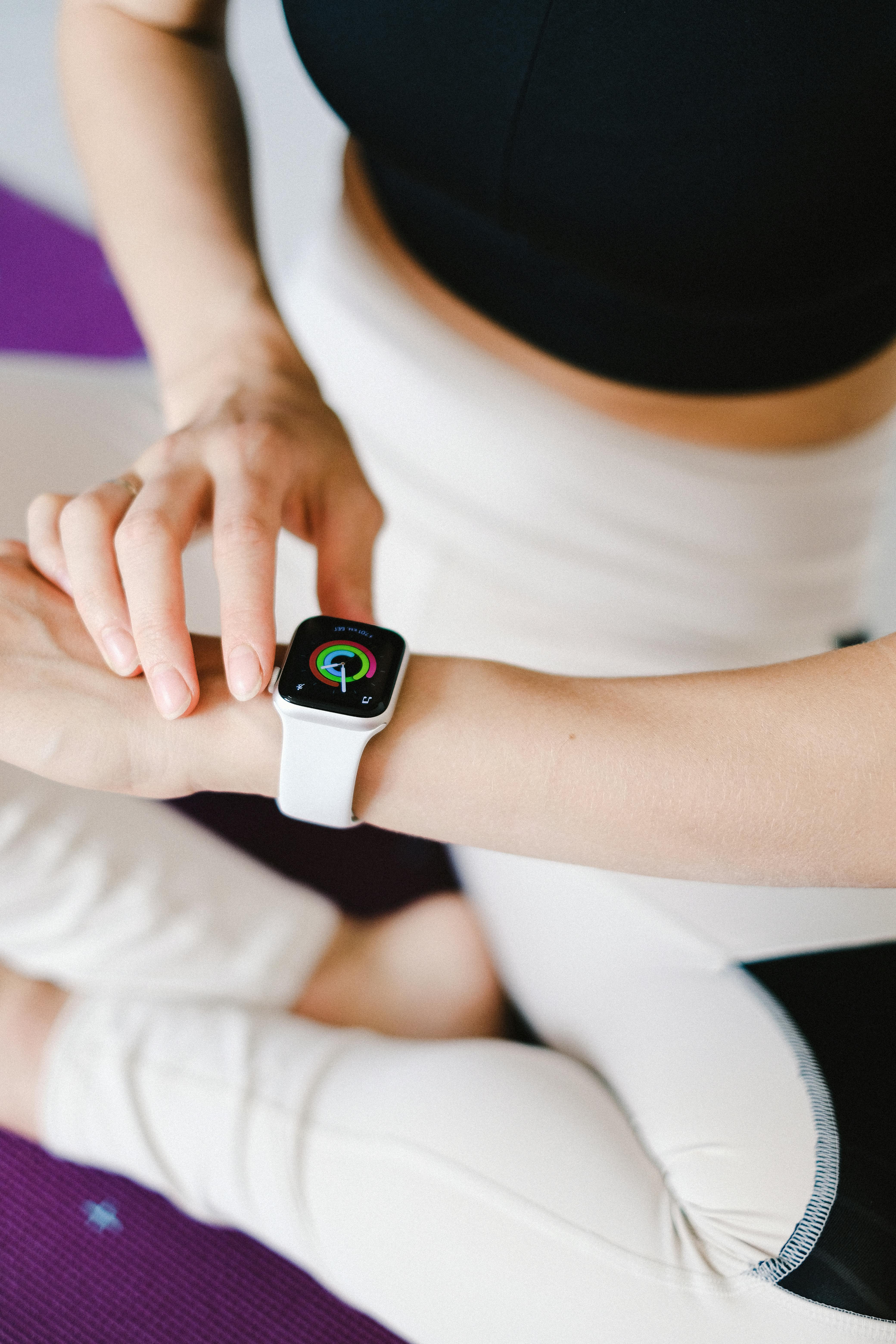
Technology has transformed daily health tracking. Devices that were once only available in clinical settings now sit comfortably on home countertops.
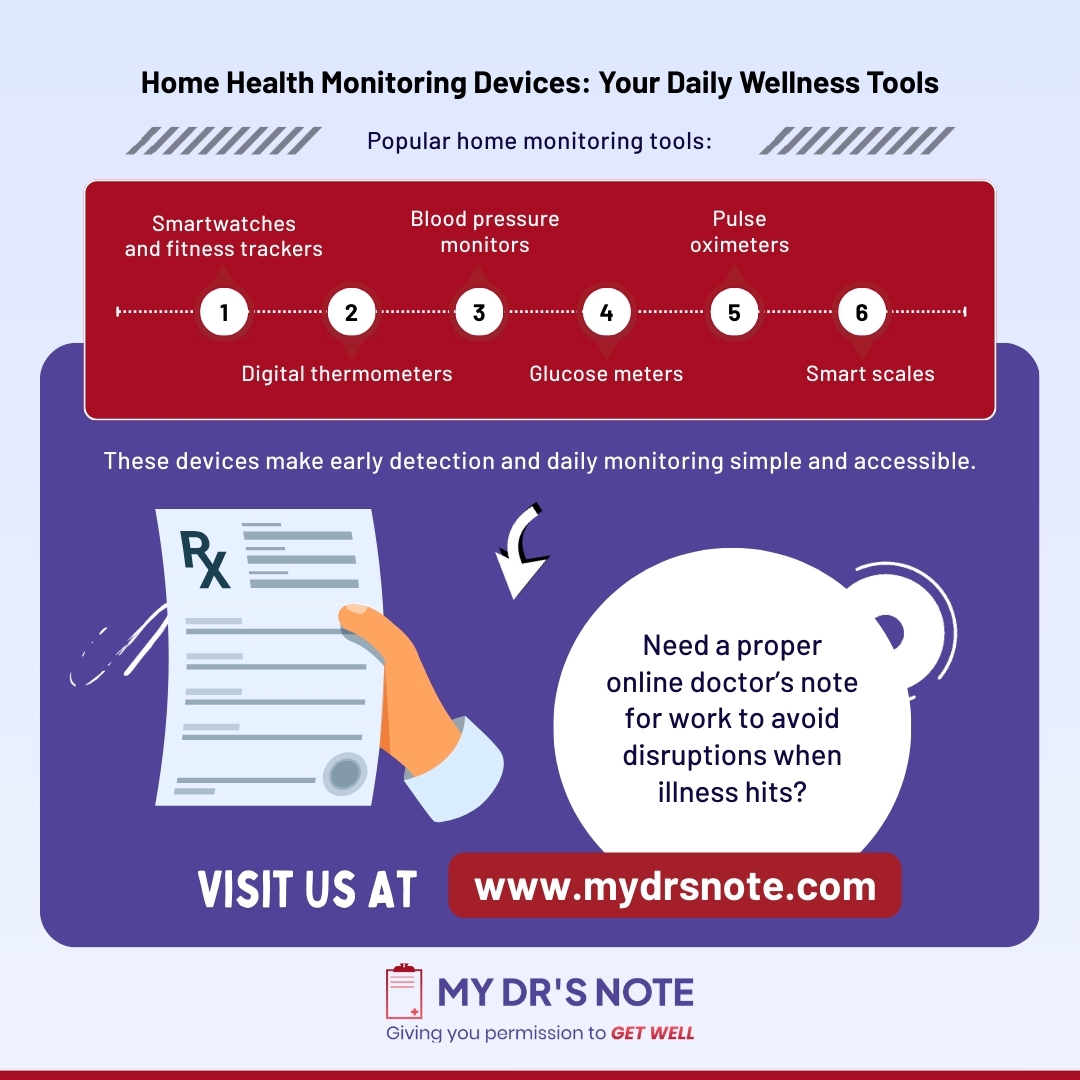
Popular Home Monitoring Tools
- Smartwatches & Fitness Trackers
Monitor steps, heart rate, sleep, oxygen levels, and stress patterns.
- Digital Thermometers
Essential for early detection of infections.
- Blood Pressure Monitors
Help individuals track cardiovascular health between doctor visits.
- Glucose Meters
Important for those at risk of developing diabetes.
- Pulse Oximeters
Useful during respiratory concerns or seasonal illnesses.
- Smart Scales
Track body composition, hydration, and metabolic indicators.
These tools are at the center of prevention-first healthcare—they give users real-time data that helps them make healthier decisions daily.
- The Role of Lifestyle in Prevention-First Healthcare
Lifestyle is one of the most powerful determinants of long-term health. While advanced medical tools, regular checkups, and diagnostic tests play an important role in monitoring health, it is daily habits that often determine whether a person thrives or struggles with preventable conditions.
Prevention-first healthcare emphasizes this principle, encouraging individuals to take proactive steps that enhance well-being and reduce the risk of chronic illnesses. Small, consistent choices in nutrition, exercise, stress management, sleep, and hydration collectively shape health outcomes more profoundly than any single medical intervention.
Key Lifestyle Factors
- Nutrition
Nutrition forms the foundation of preventive health. Diets rich in whole foods—such as vegetables, fruits, whole grains, lean proteins, and healthy fats—fuel the body with essential vitamins, minerals, and antioxidants. Adequate nutrition strengthens the immune system, enhances digestive function, balances weight, and maintains consistent energy levels throughout the day. Conversely, diets high in processed foods, sugar, and trans fats contribute to inflammation, insulin resistance, and increased risk of heart disease, diabetes, and certain cancers. Small nutritional changes, such as adding an extra serving of vegetables to lunch or swapping refined grains for whole grains, can produce measurable long-term benefits. - Physical Activity
Regular movement is one of the most effective preventive tools available. Engaging in at least 150 minutes of moderate aerobic activity per week, such as brisk walking, cycling, or swimming, can significantly lower the risk of cardiovascular disease, type 2 diabetes, obesity, and mental health disorders. Strength training exercises, even twice a week, maintain muscle mass, support bone density, and improve overall metabolic health. Beyond physical benefits, exercise also boosts mood, reduces stress, and enhances cognitive performance, creating a holistic impact on well-being.Maintaining regular physical activity can also minimize the days you may need an online doctor’s note for schoolor an online doctor’s excuse for work. - Stress Management
Chronic stress affects nearly every system in the body, disrupting hormonal balance, impairing cognitive clarity, reducing sleep quality, and weakening immunity. Incorporating stress management practices, such as meditation, deep breathing, journaling, or mindfulness, allows the body to recover and prevents the long-term consequences of elevated cortisol levels. Even small stress-reducing rituals—like a short walk during a busy workday or a five-minute breathing exercise—can accumulate significant health benefits over time, reducing the likelihood of requiring an online sick note for workor anonline doctor’s note for work.
Looking for simple daily habits to boost your long-term wellness? Explore our blog, Building a Home Health Routine That Works for Busy People, to learn more.
- Sleep Quality
Sleep is the body’s natural repair and restoration cycle. During deep sleep, tissues repair, hormones regulate, and cognitive processes consolidate memories and learning. Poor or insufficient sleep has been linked to heart disease, obesity, mood disorders, and impaired immune function. Prioritizing consistent sleep schedules, reducing screen time before bed, and creating a calm sleep environment are simple but critical steps toward long-term health.
Proper rest can help minimize absences from school or work, and in cases of unavoidable illness, a real doctor’s note online ensures compliance without added stress.
- Hydration
Proper hydration supports nearly every bodily function, from digestion and detoxification to cognitive focus and temperature regulation. Drinking adequate water throughout the day improves metabolic efficiency, reduces fatigue, and supports clearer thinking. Small habits, like drinking a glass of water before meals or keeping a reusable water bottle on hand, can help maintain hydration consistently.
Small Daily Habits That Make a Big Difference

Even modest lifestyle adjustments can have a compounding effect over time:
- Taking 10-minute walking breaks throughout the day
- Performing a morning stretching routine to improve circulation
- Drinking water before meals to aid digestion
- Turning off screens 30–60 minutes before bedtime to enhance sleep quality
- Adding an extra serving of vegetables to daily meals
- Scheduling regular self-check-ins to monitor mental and physical well-being
By intentionally integrating these habits, individuals bridge the gap between basic self-care and long-term wellness. Prevention-first healthcare is not just about avoiding disease—it is about cultivating a lifestyle that allows the body and mind to function optimally, creating resilience against illness and enhancing overall quality of life.
- Proactive Health at School and Work: The Importance of Documentation
Life doesn’t always go as planned. Illnesses, injuries, or symptoms can interrupt school or work. Prevention-first healthcare includes being prepared for these moments with proper documentation.
Why Proper Documentation Matters
- Schools require proof of illness
- Employers need verification for absences
- Remote workers still follow HR documentation policies
- Students need clearance to return to class
- Legal protections (like FMLA) require valid paperwork
Digital Documentation for Modern Life
Today, individuals can get:
- An online doctor note for school
- An online sick note for work
- An online DR note for work
These notes support both wellness and compliance.
By obtaining legitimate documentation whenever needed, people protect their academic standing, employment status, and personal health boundaries.
- Introducing FMLA Certification in the Prevention-First Era
As workplaces become increasingly health-aware, FMLA (Family and Medical Leave Act) documentation is more relevant than ever. Accurate paperwork ensures employees receive the leave they need for:
- Personal illness
- Family medical care
- Long-term health conditions
- Caregiver responsibility
Prevention-First Healthcare acknowledges the importance of work-life balance. FMLA certification helps individuals prioritize their health without risking job security.
Organizations now expect reliable documentation, and individuals benefit from having accessible, accurate forms whenever life demands extended medical leave.
- How Digital Tools Support Prevention-First Healthcare

Digital health platforms are revolutionizing prevention by making documentation and communication effortless.
Digital Solutions That Support Prevention
- Online platforms for sick notes
- Portable digital records
- Telehealth consultations
- AI tracking in wearables
- Symptom journals
- FMLA certification submission tools
These innovations contribute to a future where individuals manage their own health with confidence and accurate information.
Want to see how wearables and at-home devices can monitor your vitals and support preventive care? Read our blog Digital Health Tools: How Smart Devices Help You Stay Ahead of Sickness to learn more.
- The Future of Prevention-First Healthcare
The next decade will bring even more advancements:
Predictive Technology
AI-based wearable sensors that flag health concerns before symptoms appear.
Genetic Screening
Personalized plans based on inherited risk factors.
Home Diagnostic Devices
At-home tests for early detection of common conditions.
Centralized Digital Record Systems
Personal health data is unified in secure cloud platforms.
As the world grows more health-conscious, prevention-first healthcare will become the new norm—a lifestyle centered on knowledge, preparation, and proactive action.
The Future Is Prevention
Prevention-first healthcare empowers individuals to take control of their health by recognizing symptoms early, following primary care routines, using smart home monitoring devices, organizing personal medical records, and maintaining a healthy lifestyle.
In a fast-moving world filled with responsibilities, digital documentation plays an essential role. Whether you need a real doctor’s note online, an online doctor’s note for school, or an online sick note for work, having accessible resources ensures your daily life stays on track—even when health interruptions occur.
If you ever need reliable documentation—whether for school, work, or FMLA-related needs—My Dr’s Notes is here to help. We provide secure and convenient online sick notes and now offer FMLA certification services to support your preventive health journey.
Take charge of your wellness today.
Prevention starts with preparation—and My Dr’s Notes makes the process simple, fast, and stress-free.