
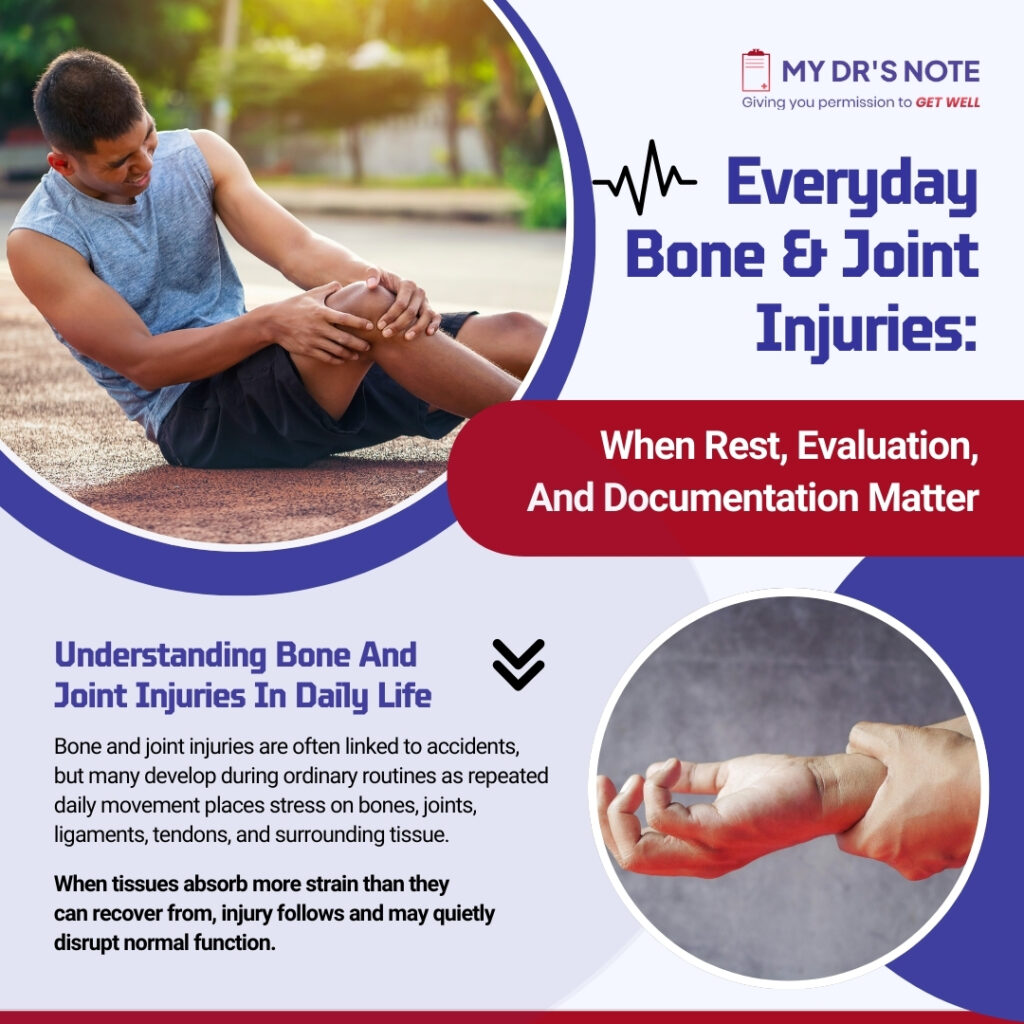
Everyday movement puts strain on the body. Walking, lifting, typing, exercising, and even sitting for long hours can lead to injury without a big moment of impact. A bone and joint injury does not always involve a cast, crutches, or an emergency room visit.
Many people keep going through pain, assuming it will fade on its own. Sometimes it does. Other times, small injuries linger, interfere with daily responsibilities, or worsen with continued use.
Understanding how these injuries happen, what they look like, and when rest or evaluation matters can prevent longer recovery and unnecessary setbacks at work or school.
Understanding Bone and Joint Injuries in Daily Life
Bone and joint injuries are often associated with accidents or high-level sports, but many develop during ordinary routines. Daily movement places repeated demands on the skeleton and surrounding structures.
When tissues absorb more stress than they can recover from, injury follows. These injuries may appear subtle at first, yet they can disrupt normal function and require thoughtful care.
What Counts as a Bone and Joint Injury?
A bone and joint injury includes damage or irritation to bones, joints, ligaments, tendons, cartilage, and nearby soft tissue. Bones provide structure, while joints allow movement. Ligaments connect bone to bone and stabilize joints. Tendons attach muscles to bone and help transmit force. When any of these structures are strained, inflamed, or injured, pain and limited motion often follow.
Acute and short-term injuries develop suddenly or over a brief period. Examples include a twisted ankle, a fall onto the wrist, or sudden knee pain after a new workout.
How These Injuries Commonly Happen
Many bone and joint injuries occur without a dramatic incident. Slips on wet floors, missed steps on stairs, or minor collisions can place sudden force on joints or bones. Sports and recreational activities often involve quick direction changes, jumping, or repeated impact that stress the ankles, knees, shoulders, and wrists.
Repetitive motion at work or school also plays a role. Typing, lifting, standing for long hours, or performing the same movement daily can strain tendons and joints. Sudden increases in physical activity add another risk. Starting a new exercise routine, returning to sports after time off, or increasing workload too quickly can overwhelm tissues that are not conditioned for the change.
Poor posture, worn footwear, or improper ergonomics further increase strain. Misalignment shifts pressure to areas not designed to absorb it, raising the chance of injury even during simple tasks.
Why Minor Injuries Can Still Disrupt Life
Even minor injuries can have outsized effects. Pain interferes with walking, gripping objects, concentrating, and sleeping. Discomfort often increases with continued use, making everyday tasks harder as the day progresses. Work duties may become difficult or unsafe, and attending classes or commuting can feel exhausting.
Ignoring pain also carries risk. Continuing activity without rest can worsen tissue damage and extend recovery time. What begins as a manageable issue may turn into swelling, reduced range of motion, or persistent pain that requires medical evaluation. Recognizing the impact of small injuries early helps protect both physical health and daily responsibilities.
Common Bone and Joint Injuries
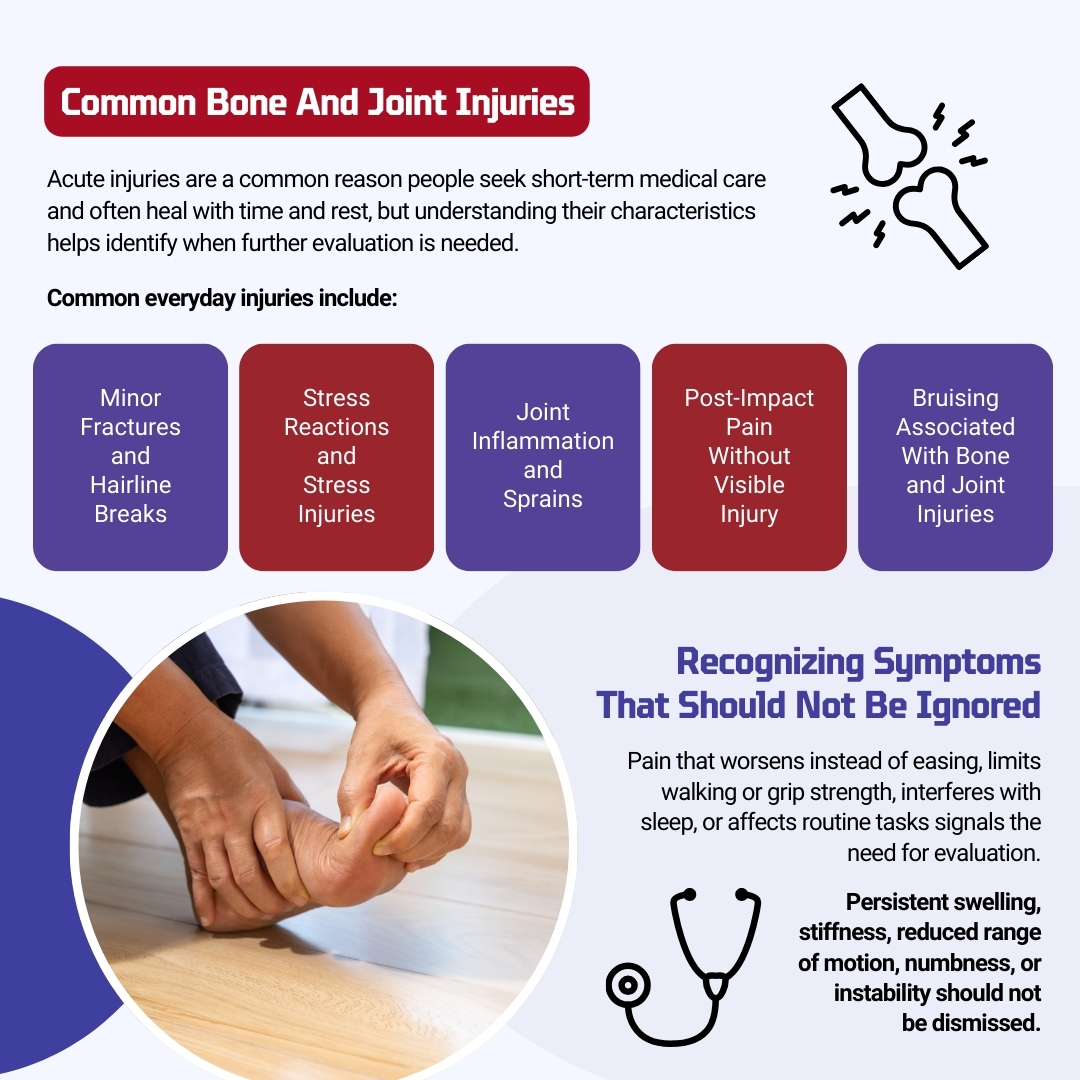
Acute injuries are among the most common reasons people seek short-term medical care. These injuries often heal with time, rest, and appropriate evaluation. Understanding their characteristics helps people recognize when discomfort is expected and when further assessment may be needed.
Minor Fractures and Hairline Breaks
A minor fracture refers to a small break or crack in the bone that remains stable and aligned. Hairline fractures may not cause immediate severe pain, which leads some people to keep using the injured area. Fingers, toes, wrists, and ankles are common locations because they absorb impact during falls or repetitive use.
Pain levels vary widely. Some people feel sharp pain right away, while others notice soreness that increases over hours or days. Swelling and bruising may appear gradually rather than instantly. Because symptoms can seem mild, these fractures are sometimes mistaken for sprains. Imaging often clarifies the diagnosis and guides safe activity limits during healing.
Learn more about how small cracks in bones develop and why they still need medical care in our dedicated blog on the topic: Hairline Fractures and Small Breaks: Why They Still Require Medical Attention.
Stress Reactions and Stress Injuries
Stress injuries develop over time rather than from one event. A stress reaction represents early bone irritation caused by repetitive load. If the stress continues, it can progress into a stress fracture. These injuries occur when bones do not have enough time to recover between repeated forces.
Runners, warehouse workers, healthcare staff, and students who walk long distances or stand for extended periods face a higher risk. Early warning signs include localized pain during activity that improves with rest, tenderness when pressing on the area, and subtle swelling. Many people ignore these signals and continue the activity, which delays recovery.
Joint Inflammation and Sprains
Joint inflammation often results from overuse or sudden movement that stretches tissues beyond their normal range. Ankles, knees, shoulders, wrists, and elbows are frequent sites. A sprain involves ligament strain or tearing, while joint capsule irritation affects the tissues surrounding the joint.
Symptoms include swelling, warmth, stiffness, and pain with movement. Mild sprains may still allow walking or use of the limb, which can give a false sense of security. Rest and temporary activity modification often support recovery, but persistent symptoms may require evaluation.
Post-Impact Pain Without Visible Injury
After a fall or collision, pain may appear even when no fracture is obvious. Deep bruising, soft tissue swelling, and joint stiffness can cause significant discomfort. Movement may feel limited or unstable despite a normal initial examination.
In some cases, imaging helps rule out subtle fractures or internal joint damage. Ongoing pain after impact should not be dismissed simply because there is no visible injury. Careful assessment protects healing and prevents unnecessary strain during recovery.
Bruising Associated With Bone and Joint Injuries
Soft-tissue bruising commonly occurs with a bone and joint injury when small blood vessels beneath the skin are damaged during impact, twisting, or strain. This allows blood to collect in the surrounding tissue, leading to visible discoloration. Bruises may appear immediately or develop over one to two days and often change color from purple or blue to green and yellow as healing progresses.
A bone bruise occurs when force is transmitted into the bone without causing a fracture, resulting in microscopic injury within the bone marrow.
Learn more about lingering bone pain without a visible fracture and what recovery often looks like in our dedicated blog on the topic: Bone Bruises Explained: Pain Without a Break.
Recognizing Symptoms That Should Not Be Ignored
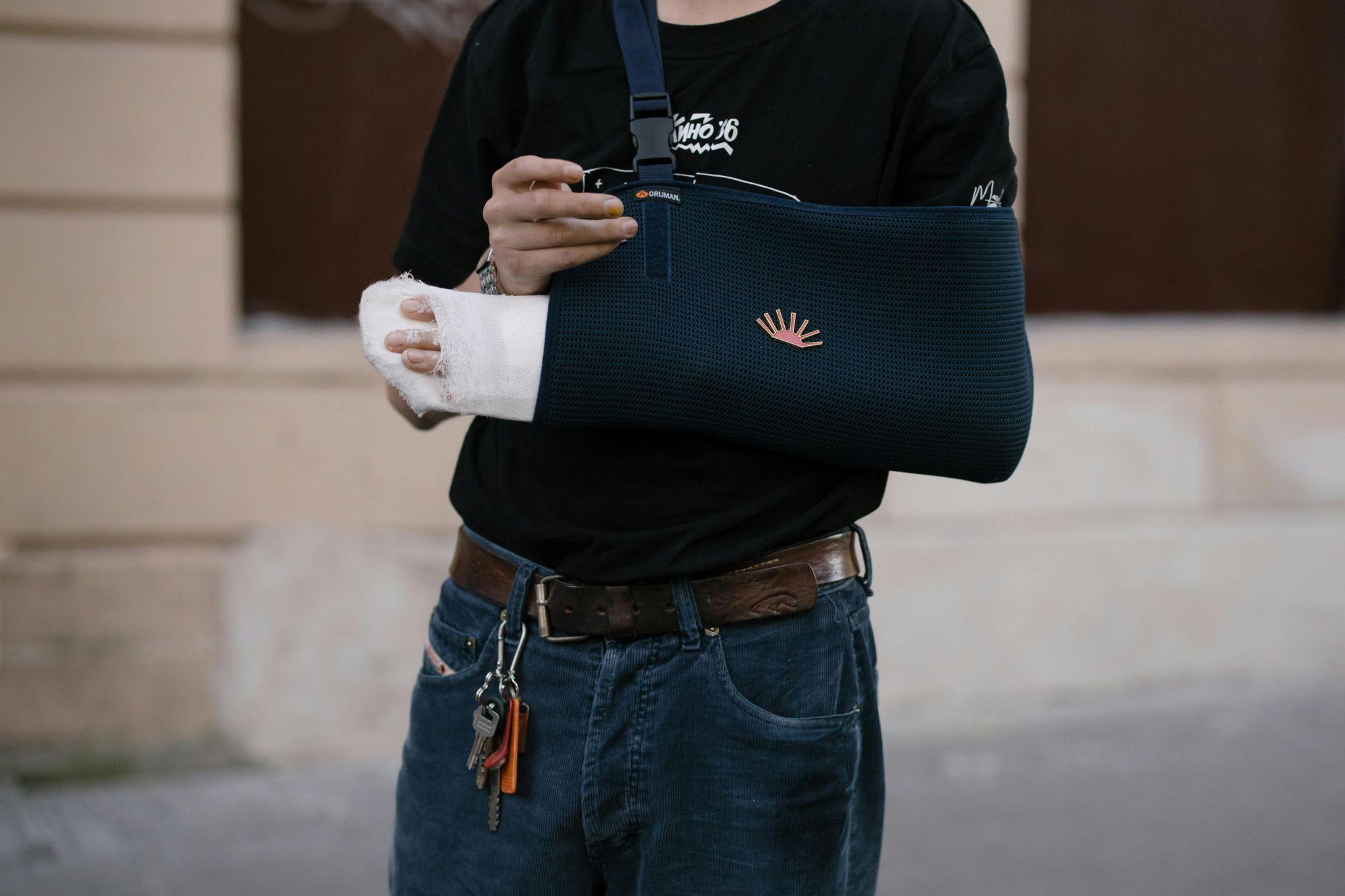
Pain is the body’s warning system, not an inconvenience to silence. With a bone and joint injury, symptoms often start quietly and build over time. Many people delay evaluation because the injury does not look severe or because movement is still possible. That delay can complicate recovery. Knowing which symptoms deserve attention helps people act before a manageable injury turns into a longer interruption.
Pain Patterns That Signal Evaluation Is Needed
Pain that steadily worsens instead of easing is a clear signal. Mild soreness after activity often improves with rest, but pain that intensifies day after day suggests ongoing tissue stress or damage. This pattern may point to inflammation, a small fracture, or joint irritation that is not settling on its own.
Pain that limits weight-bearing or grip strength also matters. Difficulty standing, walking, lifting objects, or maintaining balance indicates reduced joint stability or bone tolerance. Even if movement is still possible, compensating for pain places stress on other areas.
Pain that interferes with sleep or daily tasks should not be brushed aside. Night pain often means inflammation or internal joint pressure that continues even at rest. When simple actions like dressing, typing, or climbing stairs become painful, the injury is already affecting daily function.
Swelling, Stiffness, and Reduced Range of Motion
Some swelling is normal after an injury. Short-term swelling usually peaks within a day or two and slowly decreases with rest and elevation. It may feel tight, but it should gradually improve.
Stiffness becomes concerning when it worsens instead of loosening with gentle movement. Morning stiffness that lasts briefly can be expected, but stiffness that persists throughout the day or increases after light activity suggests deeper joint involvement.
Reduced range of motion is another warning sign. Difficulty fully bending, straightening, or rotating a joint points to swelling, ligament strain, or internal joint irritation. Joint locking or a sensation that the joint may give way indicates instability. These symptoms often require evaluation to rule out structural injury.
Learn more about why swelling appears after trauma and when it should raise concern in our dedicated blog on the topic: Joint Swelling After Impact: What It Means and When to See a Doctor.
Symptoms That Require Prompt Medical Attention
Certain symptoms call for timely medical care. Numbness or tingling may signal nerve involvement or swelling compressing nearby structures. Visible deformity, even if pain seems manageable, can indicate bone displacement or joint misalignment.
Sudden loss of function is another red flag. Inability to move a limb or bear weight suggests more than a minor strain. Pain following a significant impact, such as a fall from height or a collision, also deserves evaluation, even if symptoms seem delayed. Early assessment protects healing and prevents complications.
The Role of Rest and Activity Modification
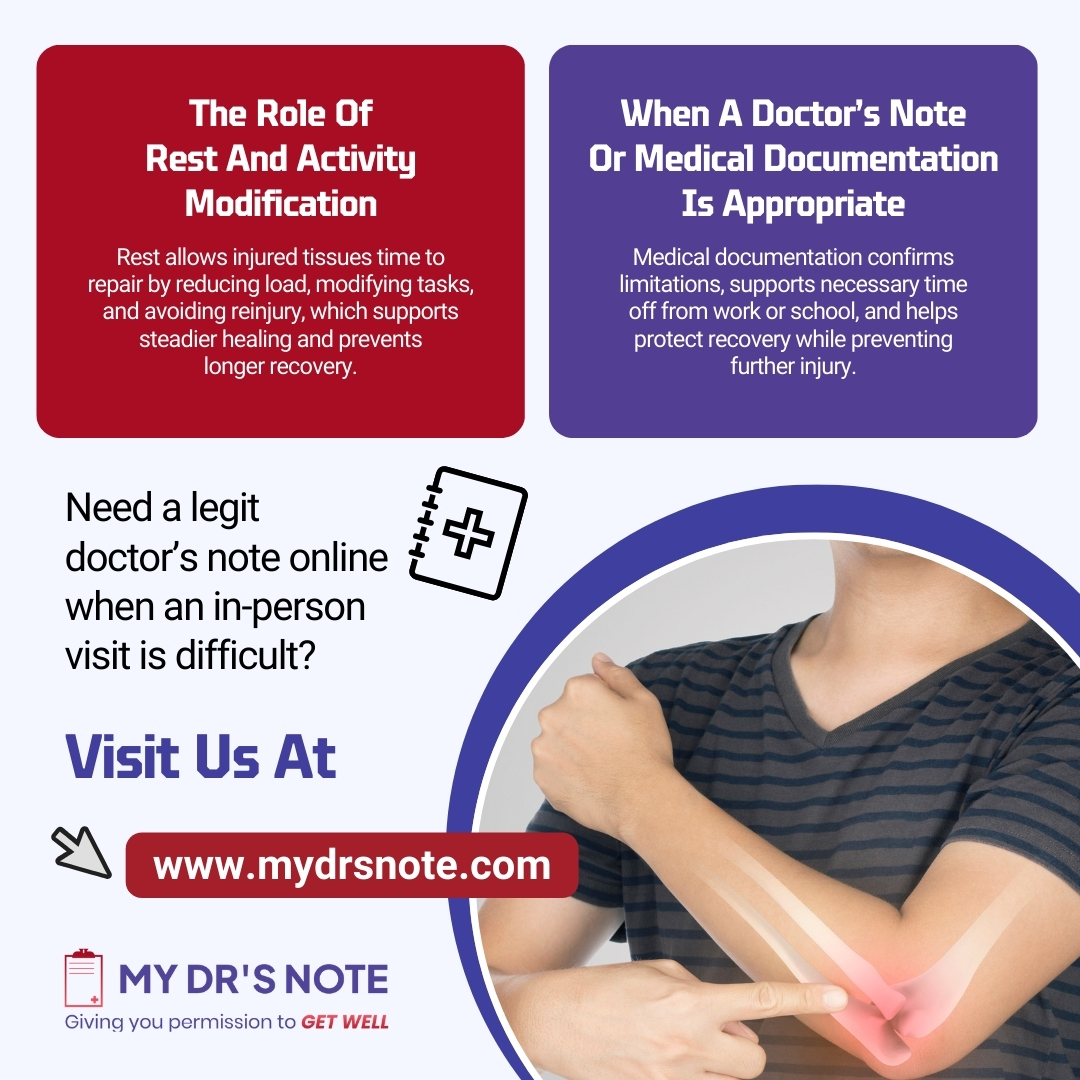
Rest plays a central role in recovery, yet it is often misunderstood. With a bone and joint injury, rest does not always mean stopping all movement. It means allowing tissues the space to repair while avoiding actions that prolong damage.
Why Rest Is Often Undervalued
Many people feel pressure to push through pain. Work expectations, academic deadlines, and social responsibilities make rest feel impractical. There is also a common belief that discomfort equals weakness or lack of effort.
Fear of falling behind adds to the problem. People worry that taking time to recover will create more problems than the injury itself. As a result, they continue activity despite pain, hoping symptoms will fade. This mindset often delays recovery rather than speeding it up.
What Proper Rest Actually Means
Rest does not always require complete immobility. In many cases, it involves reducing load rather than eliminating movement. Light activity that does not aggravate pain can support circulation and joint flexibility.
Temporary changes in movement or duties help protect healing tissue. This may include avoiding lifting, limiting walking distance, adjusting posture, or modifying work tasks. Small adjustments often prevent repeated strain.
Avoiding reinjury is a key part of rest. Continuing to stress an injured area resets the healing process. Allowing time for swelling to settle and tissues to recover supports steadier improvement and fewer setbacks.
Risks of Returning Too Soon
Returning to full activity before the body has fully healed increases the risk of delayed recovery. Pain may briefly improve, then return stronger as tissues are reloaded too early. Secondary injuries also become more likely as the body compensates for weakness or instability.
The most overlooked risk is the transition from a short-term injury to a longer-lasting issue. Repeated strain on an unresolved bone and joint injury can lead to persistent pain, stiffness, or reduced function that lasts far beyond the original injury. Thoughtful rest and gradual return protect both recovery and long-term movement.
Medical Evaluation and Imaging: When and Why It Matters
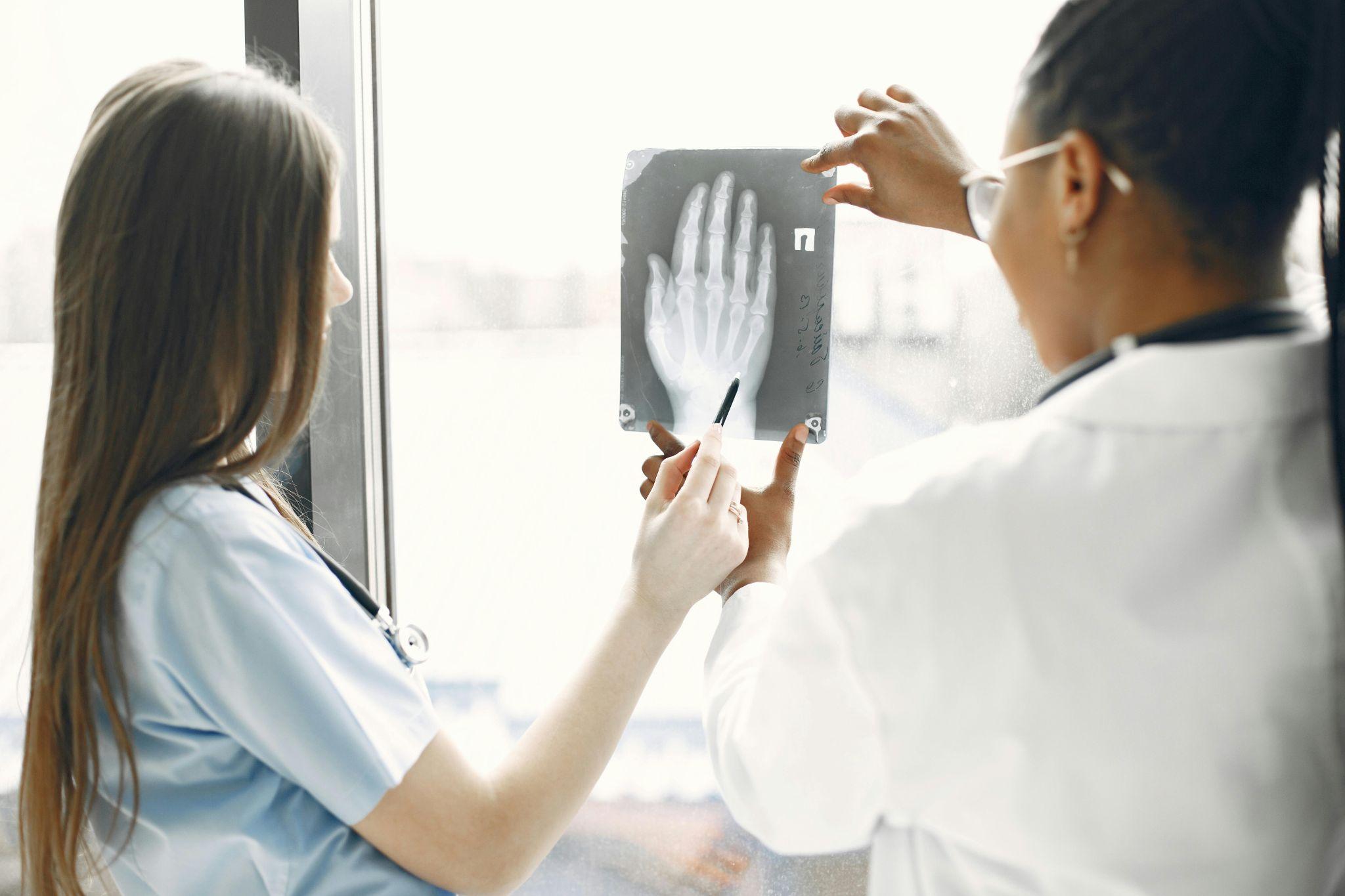
Medical evaluation provides clarity when symptoms persist or interfere with daily life. With a bone and joint injury, guessing often leads to unnecessary delay or unsafe activity. Clinical assessment helps identify what structures are involved and whether imaging is needed to guide recovery.
Initial Clinical Evaluation
The first step usually involves a physical examination. A clinician assesses swelling, tenderness, alignment, and range of motion. Movement testing helps identify instability, weakness, or pain patterns that point toward specific structures. Comparing the injured side to the uninjured side often reveals subtle changes.
Patient history matters just as much as the exam. When symptoms began, how they progressed, and what activities aggravate or relieve pain all shape the assessment. A clear timeline helps distinguish between acute injury, repetitive strain, or stress-related damage. This combination of examination and history often narrows the diagnosis before imaging is considered.
Imaging Options and Their Purpose
Imaging supports diagnosis when symptoms suggest deeper injury. X-rays are commonly used to identify fractures, bone alignment issues, and joint spacing. They help confirm or rule out breaks that may not be obvious on examination.
MRI scans provide detailed images of soft tissue, including ligaments, tendons, cartilage, and bone marrow. They are useful for detecting stress reactions, ligament injuries, and joint inflammation that do not appear on X-rays. MRI is often chosen when pain persists despite rest or when functional limits remain unexplained.
CT scans are less common for everyday injuries but may be used in complex cases. They offer detailed views of bone structure and joint surfaces, particularly when fractures involve joints or require surgical planning.
Why Imaging Is Not Always Immediate
Imaging is guided by symptoms rather than used automatically. Many mild injuries improve with rest and activity modification. Early imaging may not change treatment in these cases.
Monitoring response to rest and initial care helps determine next steps. If pain, swelling, or functional limits improve steadily, imaging may not be necessary. When symptoms persist or worsen, imaging becomes more useful in directing safe recovery.
Recovery Timelines for Common Bone and Joint Injuries
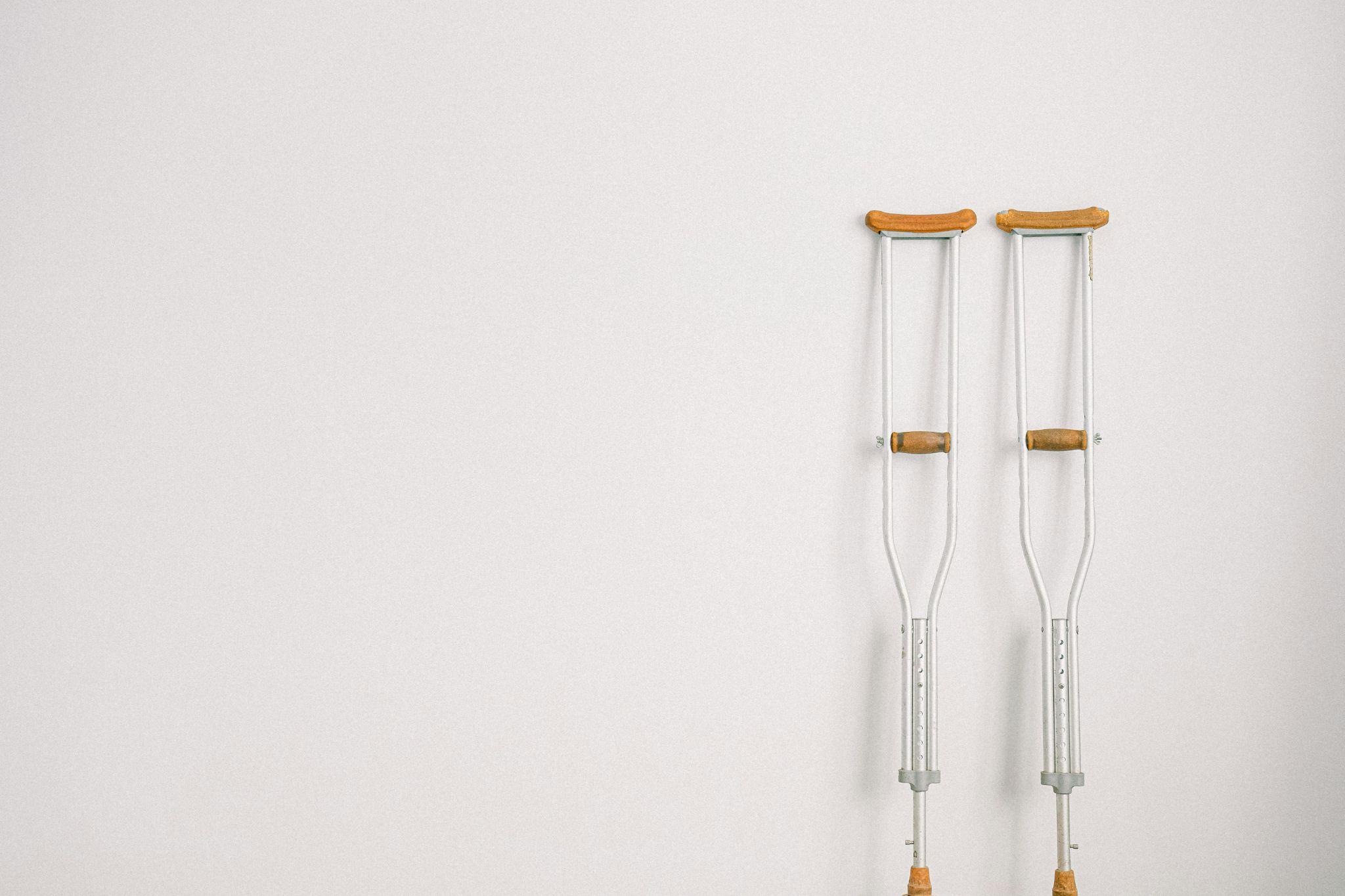
Recovery timelines vary widely, even among similar injuries. A bone and joint injury heals at its own pace, influenced by tissue type, activity level, and care during recovery. Understanding typical timeframes helps set realistic expectations.
Typical Healing Timeframes
Minor fractures often heal within four to six weeks, depending on location and stability. Fingers and toes may recover sooner, while weight-bearing bones take longer. Pain usually decreases gradually, though stiffness can linger.
Stress reactions often require several weeks of reduced load. Early identification shortens recovery, while continued stress delays healing. Stress injuries that progress further take longer and may require more structured rest.
Joint sprains and inflammation often improve within two to six weeks. Mild sprains settle faster, while moderate strains need more time for swelling to resolve and strength to return.
Factors That Influence Recovery
Age and overall health affect tissue repair. Younger individuals often heal faster, though activity demands also play a role. Injury severity matters as well. More tissue disruption means longer healing.
Compliance with rest and treatment strongly influences recovery. Following activity limits, using support devices when recommended, and allowing time for healing support steadier improvement.
What “Healing” Really Means
Healing does not always mean a complete absence of discomfort. Pain reduction often comes before full strength or endurance. Gradual return to normal activity helps tissues adapt without overload.
Ongoing soreness during recovery can be normal, especially after increased activity. The goal is steady progress, not immediate perfection. Respecting the healing process supports long-term function.
Work, School, and Daily Responsibilities During Recovery
Daily responsibilities do not pause for injury. A bone and joint injury often creates tension between recovery needs and performance expectations. Planning helps balance both.
How Injuries Interfere With Performance
Pain and limited movement affect standing, lifting, typing, walking, and writing. Even tasks that seem light can become draining when repeated. Discomfort also disrupts concentration and increases fatigue, making mental tasks harder.
Temporary Adjustments That Help
Short-term adjustments reduce strain. Modified duties limit high-impact or repetitive tasks. Reduced hours allow recovery without full withdrawal. Remote or seated options decrease physical demand while maintaining participation.
Preventing Complications and Repeat Injuries

Preventing setbacks matters just as much as treating the initial problem. After a bone and joint injury, tissues may feel better before they are fully ready to handle normal demands. Thoughtful progression reduces the chance of reinjury and supports steadier recovery.
Gradual Return to Activity
Returning to activity works best when it happens in stages. Pain signals provide useful feedback. Mild soreness that settles with rest can be normal, while sharp or increasing pain suggests the body is not ready for more load. Ignoring these signals often leads to flare-ups.
Sudden increases in workload are a common cause of repeat injury. Doubling activity levels, returning to full shifts, or resuming intense exercise too quickly places stress on healing tissue. Gradual increases give bones and joints time to adapt and regain tolerance.
Simple Prevention Strategies
Small adjustments often make a big difference. Proper footwear supports alignment and absorbs impact, especially for people who stand or walk for long hours. Shoes with worn soles or poor support shift stress to joints.
Warm-ups and light stretching prepare muscles and joints for movement. Gentle motion increases circulation and reduces stiffness before activity. Ergonomic adjustments also help. Chair height, desk setup, lifting technique, and posture all influence joint strain during daily tasks.
Knowing When to Re-Evaluate
Re-evaluation becomes important when pain persists beyond the expected recovery window. Continued discomfort may signal incomplete healing or ongoing strain. New or shifting symptoms also matter. Pain that moves, changes character, or spreads may reflect compensation patterns or a new issue. Timely reassessment helps prevent longer-term problems.
When a Doctor’s Note or Medical Documentation Is Appropriate

Medical documentation plays a practical role during recovery. With a bone and joint injury, symptoms may limit performance even when the injury is temporary. Documentation helps bridge the gap between physical needs and external expectations.
Why Documentation Supports Recovery
Medical documentation sets clear boundaries. It communicates limitations without requiring repeated explanation. This reduces misunderstandings and helps align expectations with physical capacity.
Just as importantly, documentation supports compliance with rest and treatment. When recovery plans are formally recognized, people are less likely to push through pain out of obligation. Proper use of medical notes helps protect healing time, reduce setbacks, and support a safer return to normal routines.
A doctor’s note helps support necessary time off by confirming that a bone and joint injury is affecting the patient’s ability to perform regular duties. Temporary rest is recommended to allow healing, manage pain, and prevent further injury. Time away from work or school supports a safe and steady recovery.
Reliable Medical Documentation from My Dr’s Note
Recovering from a bone and joint injury often means stepping back from work or school so the body can heal without added strain. My Dr’s Note makes that process simpler by offering a real doctor’s note for work or a doctor’s note for school through board-certified physicians. When scheduling an in-person visit is difficult, a legit doctor’s note online helps confirm medical need, reduce stress, and protect recovery time.
With fast access, fully verifiable documentation, and nationwide availability, My Dr’s Note supports patients who need clear, timely medical excuses without unnecessary delays. Contact us today and get a real doctor’s note online.