

Respiratory syncytial virus (RSV) is one of the most common respiratory illnesses affecting young children, especially during seasonal outbreaks. While many cases are mild and resemble a typical cold, RSV in children can sometimes become serious, particularly for infants, toddlers, or those with underlying health risks. Understanding early symptoms, knowing how to manage care at home, and recognizing when to seek medical attention can help parents respond confidently and calmly.
This guide breaks down what every parent should know — from early warning signs to practical steps that support recovery — while also explaining how tools like an online doctor’s note for school or an online sick note for work can help families manage absences during recovery.
What Is RSV and Why Does It Matter?

RSV is a highly contagious respiratory virus that spreads through droplets when someone coughs, sneezes, or touches contaminated surfaces. Most children will encounter RSV by the age of two. For many families, it feels like a prolonged cold, but RSV in children can sometimes lead to complications such as bronchiolitis or pneumonia.
Infants under six months, premature babies, and children with weakened immune systems or certain heart and lung conditions may be at higher risk for severe symptoms. Because RSV spreads easily in schools and daycare settings, parents often need quick documentation for absences, which is why many families look for a real doctor’s note online when a child needs time to recover.
Early Signs of RSV in Children
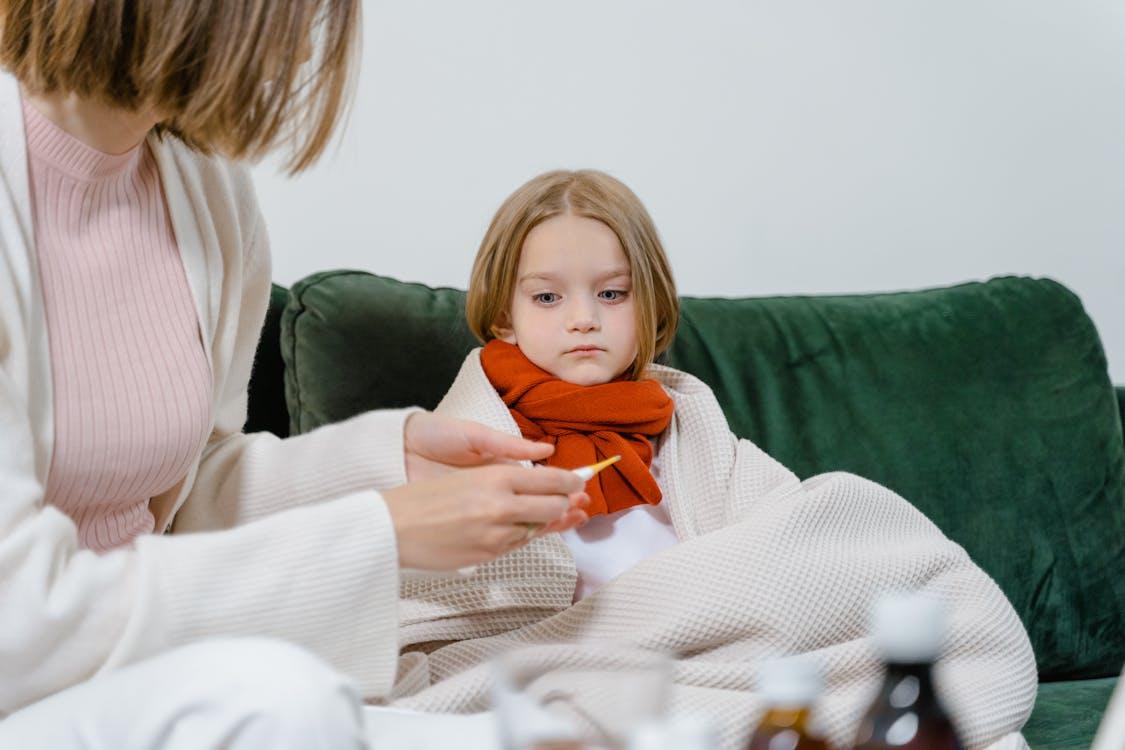
Recognizing RSV early can help you monitor symptoms more effectively. At the beginning, RSV often looks very similar to a common cold, which makes it easy to overlook.
Common early symptoms include:
- Runny or congested nose
- Mild cough
- Sneezing
- Decreased appetite
- Low-grade fever
- Irritability or fatigue
As RSV progresses, symptoms may become more noticeable. Younger children may struggle with feeding or sleeping due to congestion. You might also notice faster breathing or a persistent cough.
Parents often balance caregiving responsibilities with work obligations during this time. Having access to an online doctor’s excuse for work can make it easier to focus on your child without the added stress of arranging paperwork in person.
How RSV Symptoms Can Change Over Time

Unlike many colds, RSV symptoms often worsen around days three to five before gradually improving. During this period, children may develop:
- Wheezing sounds when breathing
- Rapid or shallow breathing
- Chest retractions (skin pulling in around ribs)
- Persistent coughing fits
It’s important to monitor behavior as much as physical symptoms. If your child becomes unusually lethargic, stops drinking fluids, or shows signs of dehydration, it may be time to seek medical advice.
Parents sometimes underestimate how long RSV recovery can take. Even after the fever resolves, a lingering cough can remain for weeks. During this time, an online doctor’s note for school can help explain extended absences without disrupting your child’s recovery routine.
Risk Factors Parents Should Know
While RSV in children can affect anyone, certain factors increase the likelihood of severe illness:
- Age under 12 months
- Premature birth
- Chronic lung or heart conditions
- Exposure to secondhand smoke
- Attendance at daycare or crowded environments
- Having older siblings who bring germs home from school
Understanding these risk factors helps parents stay proactive. If your child falls into a higher-risk category, consider speaking with a healthcare professional sooner rather than later when symptoms appear.
Families managing multiple responsibilities may also need documentation related to caregiving leave. Some platforms now offer FMLA certification services, making it easier to organize necessary paperwork while caring for a sick child at home.
Home Care Tips for Managing RSV
Most cases of RSV in children can be managed with supportive care at home. While every child’s needs are different, these general tips can help promote comfort and recovery:
Keep Your Child Hydrated
Offer small, frequent fluids such as water, breast milk, or formula. Hydration helps thin mucus and prevents complications.
Use Gentle Comfort Measures
Saline drops and a cool-mist humidifier can ease congestion. Elevating the head slightly during rest may also help breathing feel easier.
Encourage Rest
Children recovering from RSV may tire easily. Allow extra sleep and quiet activities to support healing.
Monitor Temperature and Breathing
Keep an eye on fever levels and breathing patterns. Even mild changes can signal the need for closer observation.
When RSV disrupts normal routines, many parents turn to a real doctor’s note online to simplify communication with schools or employers while focusing on caregiving responsibilities.
When to Seek Medical Attention
Although many cases improve on their own, certain symptoms should never be ignored. Contact a healthcare professional or seek urgent care if your child shows:
- Difficulty breathing or bluish lips
- Severe wheezing
- Persistent high fever
- Signs of dehydration(fewer wet diapers, dry mouth)
- Extreme lethargy or unresponsiveness
Trust your instincts. If something feels wrong, it’s always better to ask for guidance. RSV can escalate quickly in younger infants, so early action matters.
During these moments, practical support like an online sick note for work can relieve stress, allowing parents to focus fully on their child’s well-being instead of administrative concerns.
Preventing the Spread of RSV at Home
Because RSV spreads easily, simple hygiene steps can reduce transmission within the household:
- Wash hands frequently with soap and water
- Disinfect toys, phones, and high-touch surfaces
- Avoid sharing utensils or drinks
- Limit close contact with newborns or high-risk individuals
If one child becomes sick, keeping siblings home temporarily may be necessary. Many parents use an online doctor’s note for school to document precautionary absences when exposure risk is high.
Supporting Your Family During Recovery
Caring for a child with RSV can be emotionally draining. Sleep disruptions, missed workdays, and school absences can add pressure during an already stressful time.
Planning ahead can make recovery smoother:
- Prepare easy meals or snacks in advance
- Rotate caregiving responsibilities if possible
- Keep a symptom log to track progress
- Use online documentation services to minimize extra errands
For parents balancing work and caregiving, requesting an online doctor’s excuse for work can help maintain professional communication while prioritizing family health.
Understanding Documentation Needs During Illness
Even when symptoms are mild, schools and workplaces often require documentation after multiple sick days. Instead of scheduling unnecessary office visits just to obtain paperwork, many families now use digital solutions.
An online sick note for work or a real doctor’s note online can help verify absences quickly and responsibly. Some services also offer FMLA certification support, which may be helpful if extended caregiving leave becomes necessary due to RSV or other childhood illnesses.
This approach helps reduce stress while keeping communication clear and organized — especially during busy respiratory illness seasons.
Frequently Asked Questions About RSV in Children
Is RSV always serious?
Not always. Many children experience mild symptoms similar to a cold. However, infants and high-risk children may develop complications, which is why monitoring symptoms closely is important.
How long does RSV last?
Most children improve within one to two weeks, though coughing can linger longer. Rest and hydration play a big role in recovery.
Can adults catch RSV too?
Yes, adults can become infected and may pass the virus to children even if their own symptoms are mild.
Do I need documentation for school or work absences?
Policies vary, but many parents find that an online doctor’s excuse for work helps streamline communication during recovery periods.
Helping Your Child Recover With Confidence
Recognizing RSV in children early allows parents to respond calmly and effectively. By understanding symptoms, knowing risk factors, and supporting recovery at home, families can navigate illness with greater peace of mind. Just as important is having practical tools in place — whether that means preparing comfort items ahead of time or securing necessary documentation without added stress.
If your child becomes sick, focus on rest, hydration, and careful monitoring. Stay attentive to breathing changes or worsening symptoms, and never hesitate to seek professional advice when needed.
When illness disrupts your family’s routine, getting the right documentation shouldn’t add extra pressure. My Dr’s Note provides convenient online sick notes, including options like an online doctor’s note for school or an online doctor’s excuse for work — plus our newly introduced FMLA certification service to help support longer caregiving needs.
Visit My Dr’s Note today to request your documentation quickly and easily from home.