

A twisted ankle during a morning run. A pulled muscle while lifting a heavy box. A sore wrist after hours at a keyboard. These situations happen in ordinary moments, yet they can quickly disrupt work, school, and daily life. Understanding sprains and strains helps you respond calmly, apply effective first aid, and recognize when a medical evaluation becomes necessary.
Soft-tissue injuries are extremely common in the United States. According to the National Safety Council, millions of emergency department visits each year result from falls alone, and many of those injuries involve ligaments and muscles rather than broken bones. Most cases improve with conservative care, but misjudging severity can delay healing or lead to long-term instability. Knowing the difference between mild and serious injury protects both short-term comfort and long-term joint health.
Understanding What Happens Inside the Body
A sprain affects ligaments, the strong bands of tissue that connect bone to bone and stabilize joints. An ankle sprain often occurs when the foot rolls inward or outward beyond its normal range. A strain affects muscles or tendons, which connect muscle to bone. A hamstring pull or lower back strain represents a classic muscle injury.
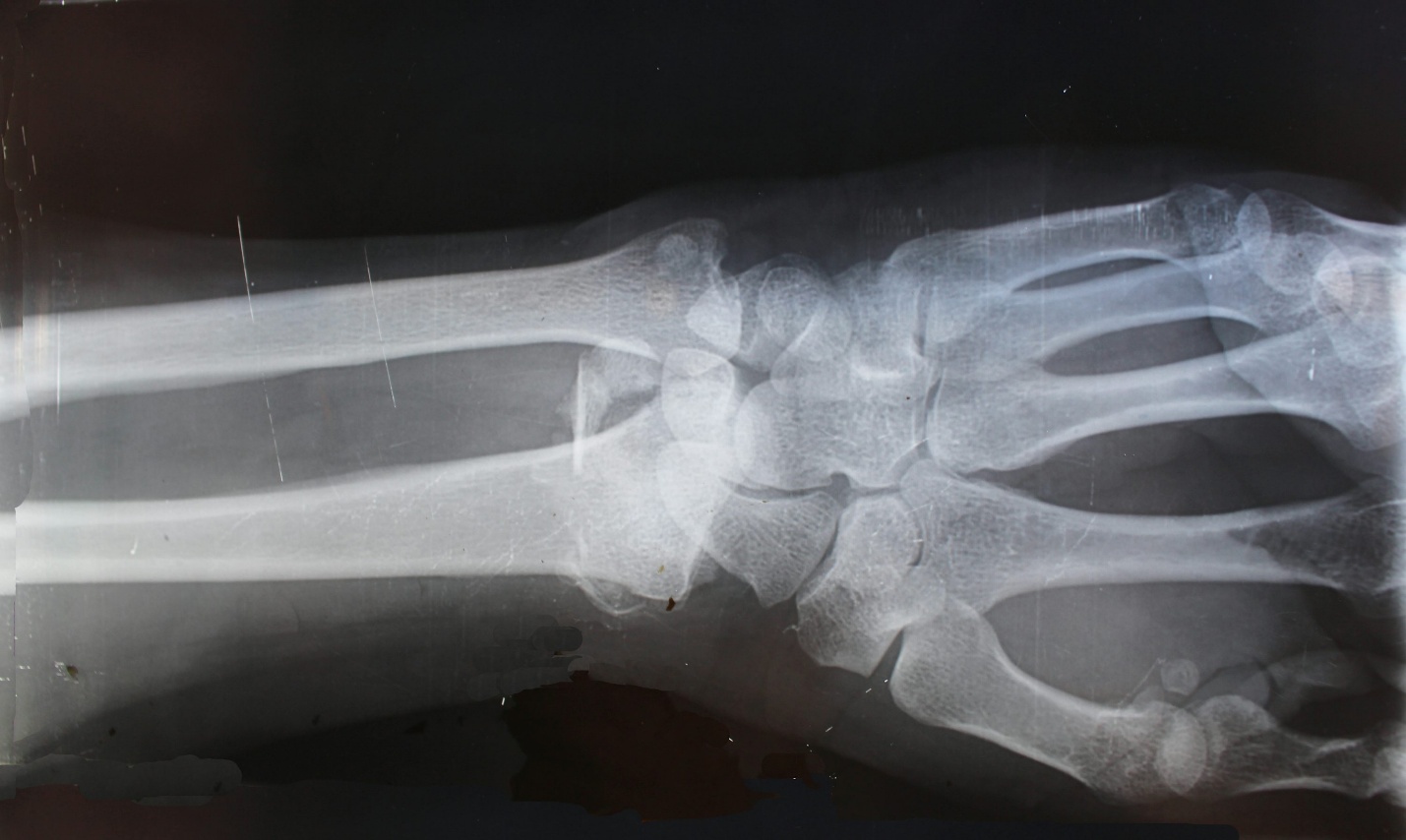
The American Academy of Orthopedic Surgeons explains that sprains and strains range from mild stretching to partial or complete tears. Mild injuries cause tenderness and swelling but allow some movement. More severe tears lead to instability, weakness, and significant functional loss. Understanding this spectrum helps you decide whether home care is sufficient or a professional assessment is necessary.
Recognizing a Minor Injury
Most mild sprains and strains present with localized pain, mild swelling, and stiffness. You may notice discomfort when moving the joint or muscle, but you can still bear weight or perform basic tasks. Bruising may appear gradually over the next day.
In many cases, these injuries respond well to rest and conservative care. However, mild does not mean ignore. Early care shortens recovery time. If you return to full activity too quickly, a minor injury can become persistent or chronic.
For adults whose injury temporarily limits work tasks, some employers require documentation after a certain number of missed days. In those cases, individuals sometimes search for a doctor’s note for work to confirm that the absence reflects a legitimate medical limitation rather than avoidance.
First Aid: What Actually Helps
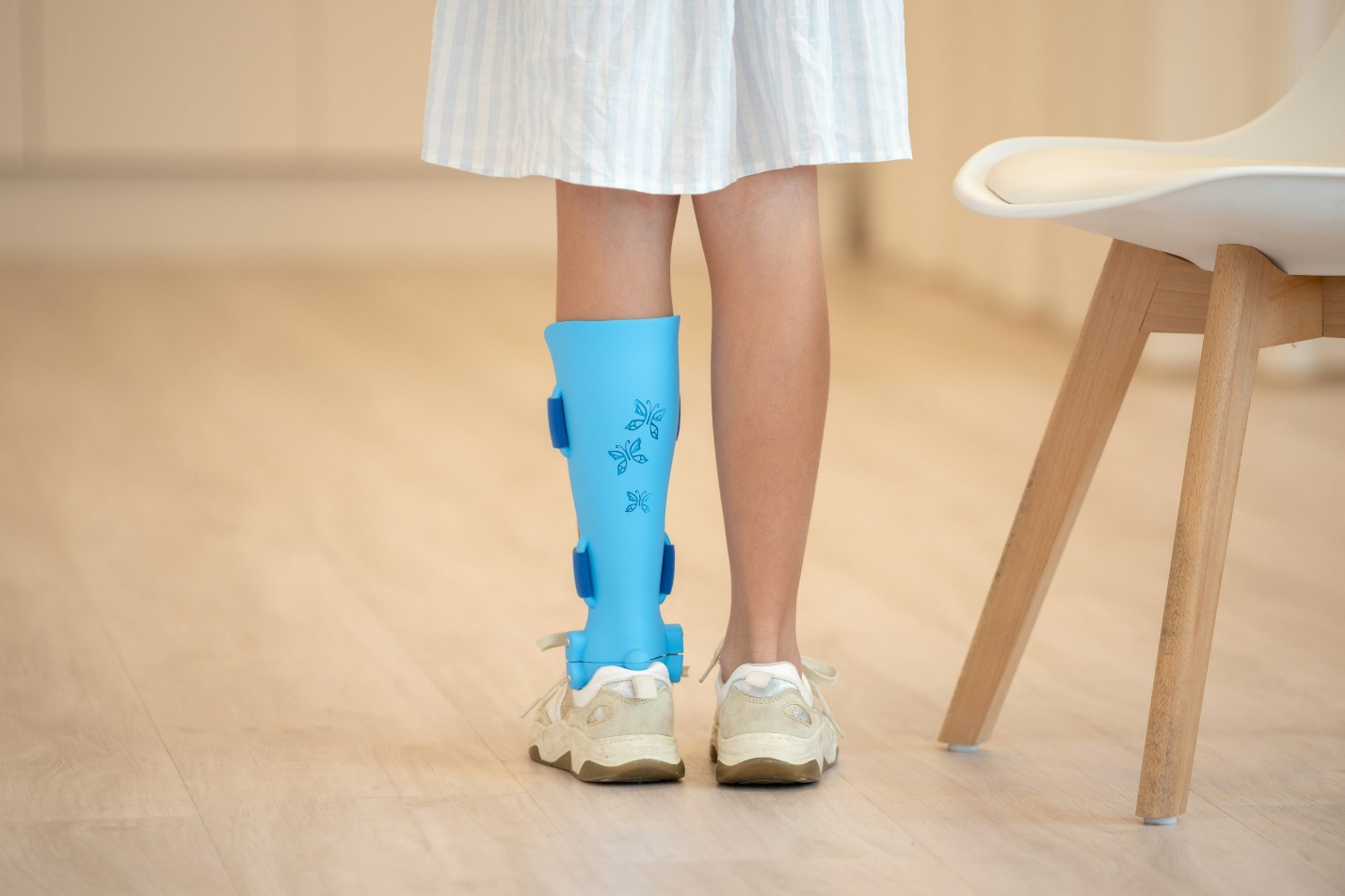
The R.I.C.E. method remains a widely accepted early treatment approach. Rest prevents further damage. Ice reduces inflammation during the first 24 to 48 hours. Compression limits swelling. Elevation encourages fluid drainage.
After the initial inflammatory period, gradual and pain-free movement supports circulation and tissue repair. Complete immobility can increase stiffness and delay recovery. Over-the-counter anti-inflammatory medication may reduce discomfort for some individuals, but you should follow dosing instructions carefully.
If swelling improves and movement becomes easier within a few days, the injury likely falls into the mild category. However, persistent instability or worsening pain signals the need for evaluation.
For individuals with limited mobility due to injury, accessing care or documentation can feel inconvenient. In those moments, some explore an online doctor’s note option, particularly when driving aggravates symptoms.
Warning Signs That Require Medical Evaluation
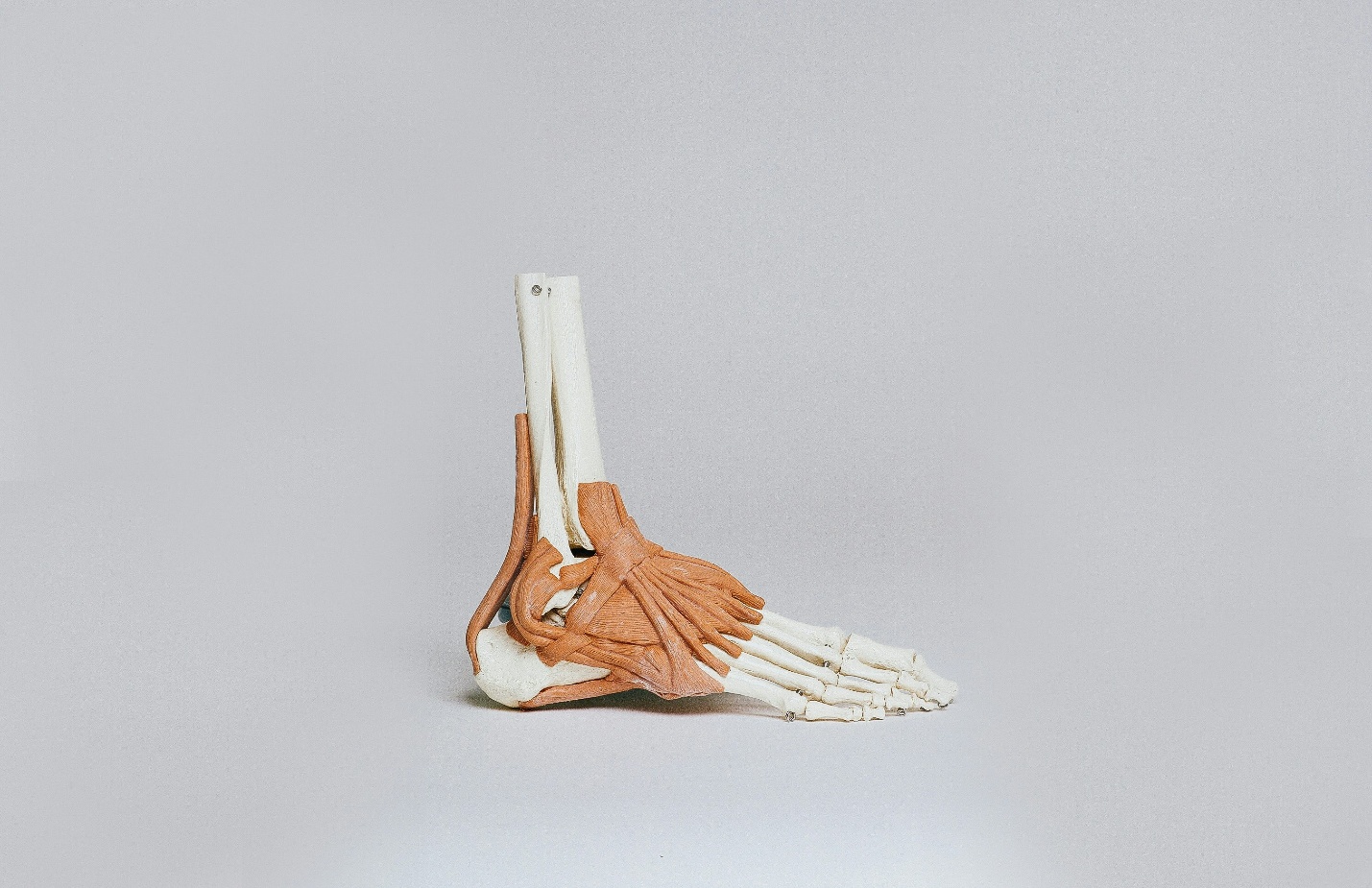
Certain symptoms suggest more than a simple sprain or strain. Rapid swelling, visible deformity, inability to bear weight, numbness, or a popping sensation at the time of injury indicate possible ligament rupture or fracture. Severe pain that does not improve after several days of rest also warrants assessment.
The Centers for Disease Control and Prevention notes that falls remain a leading cause of injury nationwide. While many fall-related injuries are minor, fractures and significant ligament tears do occur. Imaging, such as X-rays or MRI scans, may be necessary to clarify the severity.
If your job involves lifting, standing, or repetitive movement, persistent injury symptoms can limit safe performance. When absence extends beyond a brief rest, some employers request documentation, and individuals may look for an online doctor’s note for work to maintain clarity during recovery.
Back and Neck Strains: A Common Adult Issue
Lower back strain represents one of the most frequent musculoskeletal complaints in adults. The National Institute of Neurological Disorders and Stroke reports that nearly 80 percent of adults experience low back pain at some point. Many of these cases involve muscle strain rather than structural damage.
Most mild back strains improve with gentle movement and posture adjustments. Extended bed rest often worsens stiffness. However, if pain includes numbness, weakness, or changes in bowel or bladder function, immediate medical attention becomes critical.
When back pain limits the ability to sit or stand comfortably at work, documentation may become necessary. In such situations, some individuals explore a doctor’s note for work online to formalize temporary restrictions while healing progresses.
Wrist, Shoulder, and Repetitive Strain Injuries
Modern work environments often contribute to overuse injuries. Repetitive typing, lifting, or overhead reaching can strain tendons and small stabilizing muscles. These injuries typically develop gradually rather than from a single event.
Pain during specific movements, decreased grip strength, and localized swelling often indicate tendon strain. Early rest and ergonomic adjustments usually prevent progression.
If symptoms significantly interfere with job duties, you may need to confirm a medical limitation. Some individuals choose to get a doctor’s excuse online when mobility challenges or scheduling constraints make in-person visits difficult.
Returning to Activity Safely
Healing does not end when pain decreases. Ligaments and muscles require gradual strengthening to regain stability. Sudden return to full intensity often leads to reinjury.
Physical therapy exercises can improve balance and muscle coordination after ankle or knee sprains. Core strengthening reduces the recurrence of back strain. Supportive footwear and improved lifting mechanics also reduce risk.
If symptoms persist beyond two weeks or worsen with normal activity, professional evaluation remains important. Clear documentation can also help employers adjust duties temporarily during this recovery window.
For those who cannot travel comfortably due to mobility restrictions, obtaining a doctor’s note for work online may provide practical support while focusing on rehabilitation.
Understanding the Role of Documentation
Medical documentation does not replace treatment. It simply verifies that rest or modified activity was appropriate during recovery. A real doctor’s note reflects an accurate assessment of functional limitation.
When injury recovery extends beyond a few days, some employers require confirmation before adjusting workload. In certain cases involving extended recovery, individuals may need to complete workplace forms related to leave policies.
If recovery limits work for longer periods, FMLA certification may become relevant under federal guidelines. The U.S. Department of Labor explains that the Family and Medical Leave Act provides eligible employees with protected leave for qualifying health conditions. For eligible individuals, structured documentation ensures clarity between employee and employer.
Some individuals choose online FMLA certification processes to streamline paperwork when mobility or scheduling challenges exist. Understanding how to complete FMLA form requirements accurately reduces administrative stress during recovery.
When in Doubt, Seek Evaluation
Most mild sprains and strains improve within several days to a few weeks. However, persistent pain, instability, or repeated reinjury deserves medical attention. Early evaluation prevents chronic instability and long-term complications.
If your injury temporarily sidelines you from work or school responsibilities, addressing it early protects both health and performance. Clear communication and appropriate documentation reduce unnecessary stress during recovery.
Final Thoughts
Soft-tissue injuries happen quickly and often without warning. Most resolve with proper first aid and gradual return to activity. Recognizing warning signs ensures you do not overlook a more serious condition.
Take pain seriously. Rest strategically. Strengthen gradually. And when injury limits your ability to meet responsibilities safely, seek evaluation and obtain appropriate documentation to support recovery.
If you need reliable documentation to support rest, recovery, or temporary work limitations, My Dr’s Note is here to help. We provide online sick notes, easy-to-access documentation, and now offer FMLA certification for individuals requiring extended support.
Protect your mobility. Respect your recovery timeline. And when documentation becomes part of that process, make sure it reflects your health accurately and responsibly.