
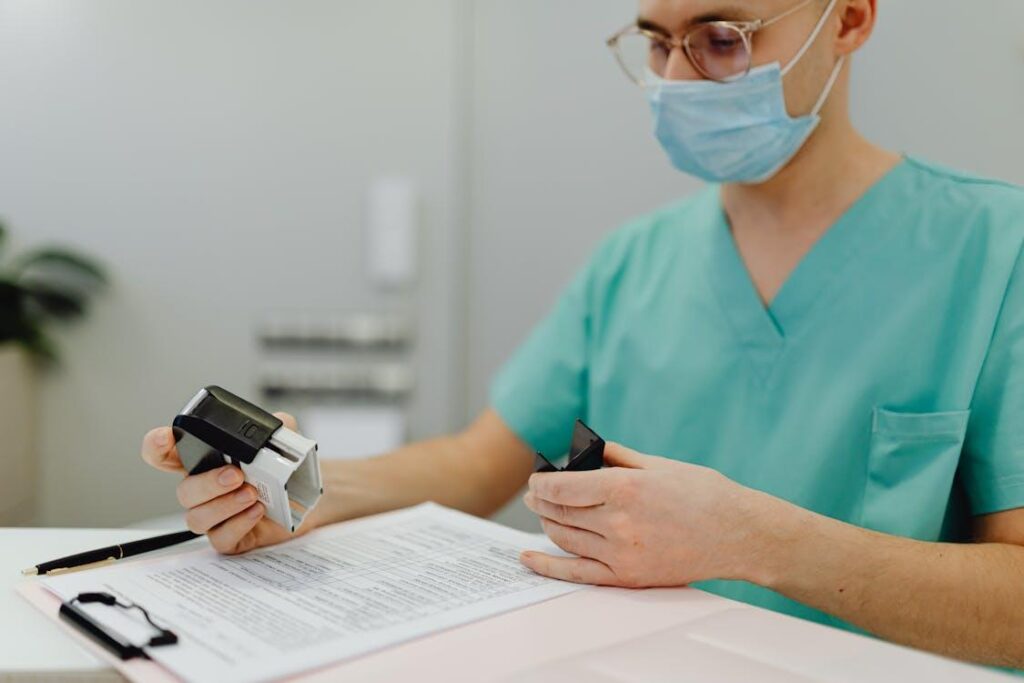
The American healthcare system is under immense pressure. Across many cities and towns, patients are facing longer wait times for routine appointments than ever before. In some cases, booking a same-week visit with a physician has become nearly impossible, even for minor illnesses that only require confirmation for a missed day at work or school.
This gap has created frustration for patients who are sick, need rest, and must still provide documentation to employers or academic institutions.
When someone wakes up with a fever, stomach illness, or severe migraine, the last thing they should have to do is wait weeks for an appointment simply to obtain proof of their absence.
Yet that is the reality many Americans face today. This growing crisis has increased the demand for on-demand medical assessment, especially for short-term conditions that do not require extensive in-person evaluation.
Digital documentation models are now filling a critical gap by offering immediate professional review for temporary absences. For people seeking an online sick note for work, these services are becoming a practical solution to an outdated system.
The issue is not just convenience. It is about access. As primary care shortages continue to expand, modern documentation services are becoming a reliable bridge between patients and the institutions that require valid proof of illness.
The Growing Primary Care Access Crisis
Primary care providers serve as the first point of contact for millions of Americans. They handle everything from routine checkups to acute illness evaluations. However, the supply of physicians has not kept pace with population growth. In many states, there are simply not enough providers to meet demand.
This shortage affects people in both urban and rural areas. Some communities have only a few primary care clinics, and these facilities often prioritize ongoing chronic care management over same-day acute visits.
As a result, someone experiencing a temporary illness may wait several days or even weeks for an appointment. By that time, the illness may have already resolved, but the need for documentation remains.
Employers, schools, and institutions often require official notes even for short absences. This administrative requirement creates an unnecessary burden when traditional access points are overwhelmed. The healthcare system was not designed for such high-volume documentation requests, especially when many cases involve common viral symptoms that only need professional verification.

Why Documentation Still Matters for Short-Term Illnesses
Short-term illnesses are often underestimated in the workplace and academic settings. A mild flu, food poisoning, or respiratory infection may only last a few days, but these conditions can significantly affect productivity and attendance.
Most employers have attendance policies that require written proof after one or more missed shifts. Schools may require similar verification after several absences. This means patients often seek a doctor’s note not because they need treatment, but because they need official confirmation that their absence was medically justified.
That is where on-demand medical assessment becomes valuable. Instead of forcing individuals into urgent care waiting rooms for a simple verification process, digital assessment models allow licensed professionals to review symptoms and determine whether documentation is appropriate. This helps patients recover at home while still meeting institutional requirements.
For many families, obtaining an online doctor note for school is especially helpful when children are too sick to attend class but not ill enough to justify an emergency clinic visit.
The Rise of Asynchronous Healthcare Models
Asynchronous healthcare refers to a process where patients submit information digitally and a licensed provider reviews it without requiring a live appointment. This model has gained attention because it addresses a major inefficiency in healthcare access.
For documentation purposes, asynchronous reviews make practical sense. If a person has a short-term illness and only needs a note for absence, there is often no clinical reason to sit in a waiting room for hours. Secure online forms allow patients to describe symptoms, provide dates of illness, and submit relevant details for professional review.
A licensed provider can then determine whether documentation is appropriate based on the submitted information. This process saves time for both patients and physicians while preserving healthcare resources for more urgent medical needs.
The increased use of on-demand medical assessment reflects a broader shift in how Americans access healthcare support. It demonstrates that not every healthcare interaction requires a traditional office visit.
Supporting Workplace Compliance Without Delays
Employers often need documentation for compliance reasons, especially when employees take repeated or extended absences. Human resource departments may request formal notes, leave paperwork, or federal documentation under protected leave laws.
This creates a challenge when local physicians have no immediate availability. Employees may need to return to work quickly, but cannot satisfy administrative requirements due to appointment delays.
Digital documentation services help solve this issue by providing timely access to physician-reviewed notes. For short-term absences, patients can request a medical certificate for leave without the stress of navigating overcrowded clinics. For recurring conditions, employers may require more formal paperwork, such as FMLA certification.
The administrative side of illness often becomes just as stressful as the illness itself. Immediate access to documentation reduces that burden and helps workers protect their jobs while following policy requirements.
Why Federal Leave Documentation Is Also Evolving
While short-term absences are common, many employees also need paperwork for recurring health conditions that qualify under federal protections. Family and Medical Leave Act requirements can be complex, and timely documentation is essential for approval.
Traditional office scheduling delays can interfere with this process. Patients may struggle to obtain the forms they need before employer deadlines, creating unnecessary risk.
Digital review systems have made online FMLA certification more accessible by allowing physicians to assess submitted documentation requests efficiently. This is especially useful for employees managing chronic conditions that occasionally flare up but do not always require an immediate in-person examination.

The Safety Net for Patients During Healthcare Gaps
Primary care shortages are unlikely to disappear overnight. Medical schools, residency pipelines, and population demands make this a long-term infrastructure challenge. In the meantime, patients need practical alternatives.
That is why on-demand medical assessment has emerged as an important safety net. It does not replace traditional healthcare. Instead, it fills a narrow but essential role by helping patients obtain professional verification for temporary absences.
This is especially important during cold and flu seasons when clinics are overwhelmed. Instead of exposing other patients in waiting rooms, individuals can remain home, recover responsibly, and still obtain valid documentation.
How Documentation Services Are Meeting Modern Needs
The demand for flexible documentation is increasing because the nature of work has changed. Remote employment, hybrid schedules, gig work, and strict attendance tracking have all created new administrative expectations.
People can no longer easily walk into a neighborhood clinic and obtain same-day verification. Many practices book weeks in advance, and urgent care centers often involve long waits for simple administrative needs.
Modern digital platforms provide a more efficient path. They allow individuals to submit information securely and receive physician-reviewed notes when appropriate. This process supports patients who need documentation quickly while reducing strain on traditional clinics.
For workers balancing health, job security, and family responsibilities, this model offers practical relief.
A New Standard for Access and Accountability
The future of healthcare access will likely include more digital tools, especially for non-treatment administrative needs. Documentation is one of the clearest examples of where technology can improve efficiency without compromising professional standards.
As primary care shortages continue, patients need dependable ways to obtain timely verification for temporary absences. Whether someone needs a note for work, school, or leave certification, digital systems can provide a bridge when local appointments are unavailable.
At My Dr’s Note, we understand how stressful it can be to need immediate documentation during a short-term illness. Our process supports patients seeking on-demand medical assessment while making it easier to request a real doctor’s note online, online FMLA certification, or family medical leave certification through physician-reviewed documentation.
If you need professional absence verification without unnecessary delays, contact us.