

Virtual healthcare has become an increasingly important part of modern medicine. Whether we’re managing a sudden illness, balancing work responsibilities, or unable to visit a clinic immediately, telehealth has made it easier to connect with licensed physicians when we need timely medical guidance.
As more employers, schools, and organizations receive electronically signed medical documentation, many people naturally wonder whether these records carry the same legal weight as traditional paperwork signed during an in-person visit. The answer often depends on compliance with state regulations, physician licensing requirements, and secure documentation practices rather than the format in which the document is delivered.
Understanding these standards helps employees feel more confident when submitting medical documentation and gives employers greater assurance that the records they receive are authentic.
The Evolution of Medical Documentation
For decades, medical documentation was almost exclusively provided during face-to-face appointments. Patients would leave a clinic with a printed note that included the physician’s signature and office information.
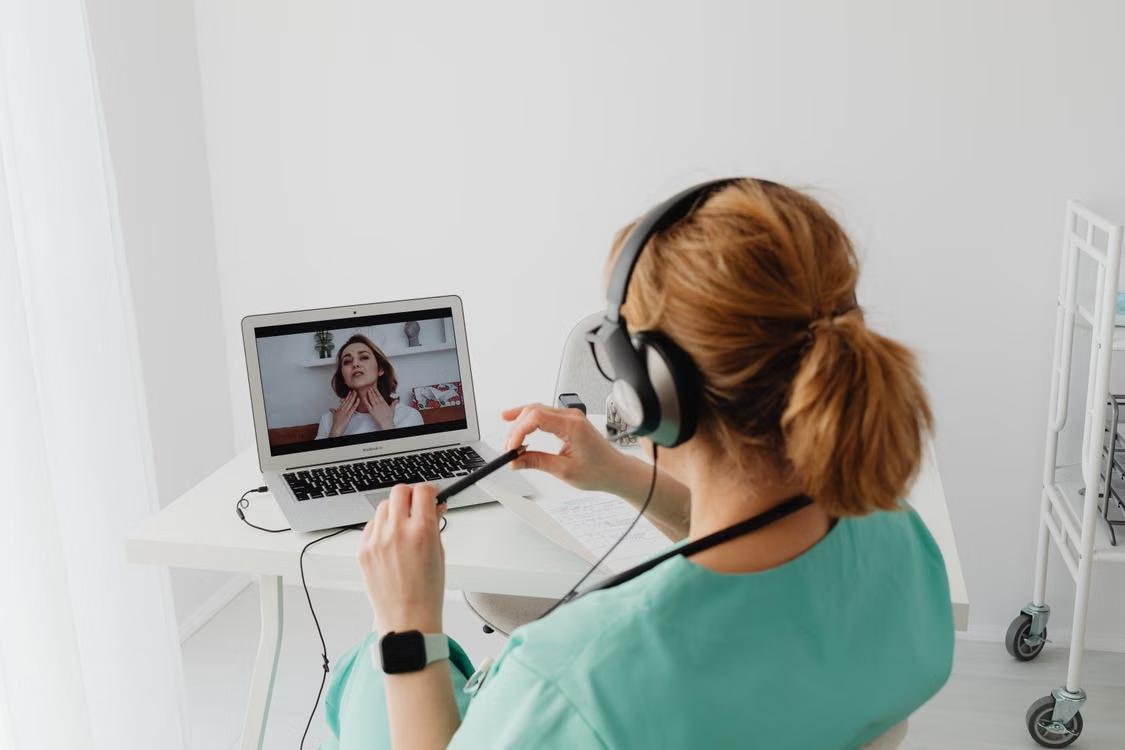
Today, technology has expanded those options. Secure digital platforms now allow licensed physicians to evaluate patients remotely when appropriate and issue electronic documentation that meets applicable legal and professional standards.
The format may have changed, but the professional responsibilities of licensed physicians remain the same. Whether documentation is delivered electronically or on paper, healthcare providers are expected to follow the laws and regulations governing medical practice within their state.
What Gives Virtual Documentation Legal Recognition?
Many people mistakenly believe that a handwritten signature automatically makes a document more valid than a digital one. In reality, authenticity depends on much more than ink on paper.
Medical documentation gains credibility through several important factors, including:
- Evaluation by a licensed physician
- Compliance with state medical regulations
- Accurate patient information
- Proper recordkeeping
- Secure methods of issuing documentation
When these elements are present, electronic documentation can serve the same practical purpose as traditional paperwork for many workplace and educational situations.
Understanding these safeguards helps explain the importance of telehealth documentation legal validity in today’s healthcare environment.
Why State Licensing Matters
Healthcare in the United States is regulated primarily at the state level. Physicians must hold active licenses that authorize them to practice medicine within the states where they evaluate patients.
These licensing requirements help ensure that physicians meet established professional standards and remain accountable to state medical boards.
For employees requesting documentation, this means the physician reviewing their health information must be properly licensed to provide care in the relevant jurisdiction.
This oversight helps protect patients while giving employers greater confidence that medical documentation has been issued by qualified healthcare professionals.
The Role of National Provider Identification
Every licensed healthcare provider who bills or conducts covered healthcare transactions is assigned a National Provider Identifier, commonly known as an NPI number.
The National Provider Identifier serves as a unique identification number that helps distinguish one healthcare provider from another. It allows organizations, insurers, and employers to verify provider information when necessary.
Although employees may not think about provider identification during an illness, these standardized systems contribute to transparency and accountability throughout healthcare.
For human resources professionals reviewing documentation, provider identification can help confirm that a document originated from a legitimate healthcare professional rather than an unverified source.
Why Human Resources Teams Review Documentation Carefully
Human resources departments are responsible for balancing employee privacy with company attendance policies.
When an employee submits medical documentation, HR personnel typically review whether it satisfies company requirements without requesting unnecessary medical details.
Clear documentation helps HR teams:
- Verify attendance records.
- Process leave requests.
- Maintain payroll accuracy.
- Support workplace compliance.
- Protect employee confidentiality.
When documentation contains appropriate professional information, including physician credentials where applicable, employers can process attendance matters more efficiently.
Digital Records Offer Security and Consistency
Electronic medical documentation provides benefits beyond convenience. Digital systems often create consistent records that reduce the risk of misplaced paperwork or illegible handwriting.
Secure electronic documentation also allows employees to access their records quickly if an employer requests additional verification.
For workers managing busy schedules, this accessibility can reduce unnecessary stress during an already difficult time.
Someone who needs a doctor note for work online may appreciate receiving documentation electronically, especially when recovering at home instead of traveling to a medical office.
Understanding Electronic Physician Signatures
Electronic physician signatures are widely used throughout healthcare. Rather than relying on handwritten signatures, many providers use secure digital signature systems that become part of the patient’s official medical record.
These signatures are generally accompanied by identifying information that helps establish the physician’s identity and professional credentials.
The important factor is not whether a signature is handwritten or electronic but whether it accurately represents documentation issued by a licensed physician following an appropriate medical evaluation.
As healthcare technology continues to evolve, secure electronic signatures have become a routine part of modern medical documentation while maintaining professional accountability.
Convenience Should Never Replace Authenticity
The growing availability of online healthcare has created greater flexibility for patients, but convenience should never come at the expense of authenticity.
Employees seeking an online doctors note for work should always ensure that any documentation they receive reflects a legitimate medical assessment conducted by a licensed physician. Likewise, anyone hoping to get a doctor note online should choose reputable providers that emphasize professional standards rather than unrealistic promises. Authentic documentation supports honest communication between employees and employers while helping maintain trust throughout the workplace.
State Regulations Continue to Shape Virtual Healthcare
Although telehealth has become more widely available, every state establishes its own rules regarding how physicians may evaluate patients and issue medical documentation. These regulations are designed to protect patients while ensuring that healthcare providers continue to meet established professional standards.
For that reason, legitimate telehealth providers remain attentive to changing state requirements. Physicians must practice within the scope of their licenses and follow applicable laws when determining whether documentation is appropriate for an individual patient.
Employees benefit from these safeguards because they reinforce the credibility of the documentation they receive and help employers feel confident when reviewing absence records.
Why Authentic Documentation Protects Everyone
Medical documentation serves an important purpose in the workplace. It helps explain why an employee was unable to report to work while allowing employers to apply attendance policies fairly and consistently.
Authentic documentation also protects employees by creating an accurate record of their absence. If attendance questions arise later, having legitimate documentation can help resolve misunderstandings before they affect scheduling, payroll, or performance evaluations.
For this reason, workers looking for a real doctors note online should prioritize providers that follow appropriate medical review processes instead of relying on unofficial sources that may not meet workplace expectations.
Employers also benefit because authentic records reduce uncertainty and support more consistent attendance decisions across the workforce.
Understanding the Difference Between Verification and Approval
Some people assume that requesting medical documentation automatically guarantees approval for an excused absence. In reality, the documentation process is designed to verify medical information rather than simply provide paperwork upon request.
Licensed physicians evaluate the information available to them before determining whether documentation is appropriate. That professional judgment remains an important part of both traditional and virtual healthcare.
Employees who need an online doctor excuse should understand that every request is evaluated individually. Likewise, those hoping to get a doctor’s note online for work should expect the same level of professional responsibility that exists during an in-person medical visit.
This process helps preserve the integrity of workplace documentation while supporting responsible medical decision-making.
When Additional Workplace Documentation May Be Required

Not every absence involves a single missed shift. Some illnesses or medical conditions require employees to take additional time away from work, creating the need for more comprehensive documentation.
In qualifying situations, employers may request FMLA certification to support protected leave. Employees navigating this process often have questions about Family and Medical Leave Act certification, particularly if they have never completed leave paperwork before.
Understanding how to complete FMLA form requirements early can help reduce delays and improve communication with both employers and healthcare providers. When additional documentation is needed, following employer procedures carefully helps keep the process moving smoothly.
What Employees Can Do to Avoid Documentation Problems
While every workplace has different attendance requirements, a few best practices apply almost everywhere.
We can reduce unnecessary complications by:
- Reporting an illness as soon as possible.
- Reviewing company attendance policies before an emergency occurs.
- Submitting requested documentation within employer deadlines.
- Keeping copies of all medical records provided to our employer.
- Asking questions if attendance procedures are unclear.
These simple habits help us stay organized while demonstrating professionalism during unexpected absences.
Employees who need doctors note online services should also verify that the provider follows appropriate medical and legal standards before submitting documentation to their employer.
Understanding how virtual physician signatures, provider identification, and state licensing work together helps all of us appreciate why electronic medical documentation has become a trusted part of today’s healthcare system.
Rely on My Dr.’s Note for Authentic Medical Documentation
When illness prevents us from working or attending school, timely and authentic documentation can make an important difference. My Dr.’s Note provides eligible individuals with authentic doctor’s notes following an online assessment reviewed by board-certified physicians licensed throughout the United States.
Whether you need an online doctors note for school, a medical certificate for leave, or assistance with an online FMLA certification through a scheduled video visit, My Dr.’s Note is committed to providing documentation that aligns with professional standards and employer expectations.
If you’re looking for a trusted solution that supports telehealth documentation legal validity while helping you meet workplace or school documentation requirements, My Dr.’s Note offers a convenient way to request legitimate doctor’s notes so you can focus on your recovery with confidence.