
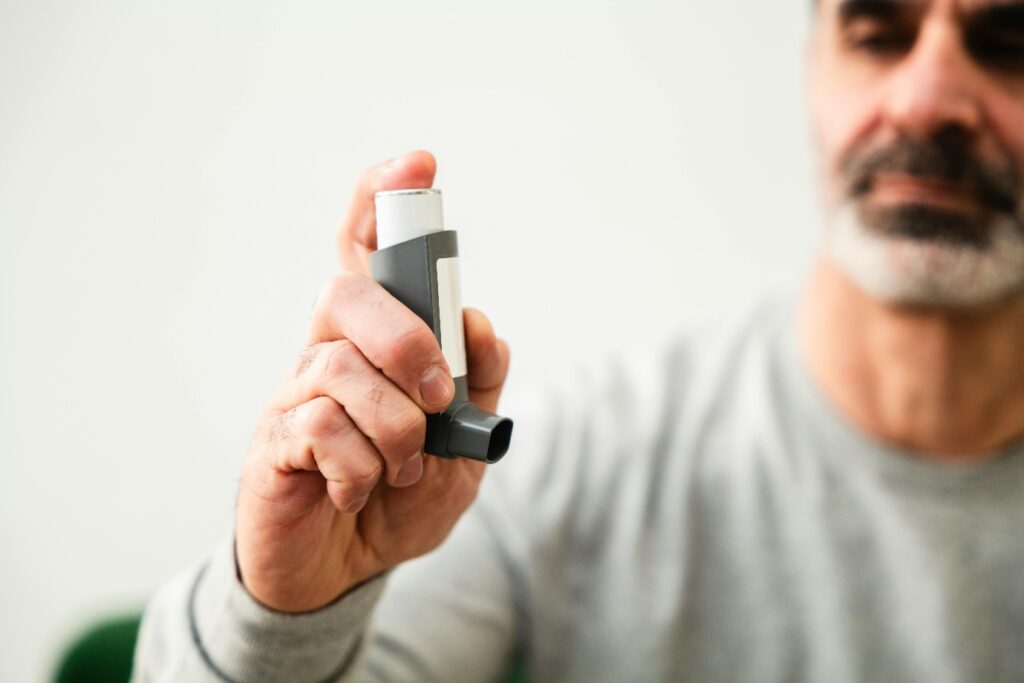
Let’s be honest—winter isn’t kind to anyone’s lungs. The cold air hits different, especially for people living with asthma or bronchitis. The combination of low humidity, viral infections, and sharp temperature drops can turn simple breathing into a workout. According to Business Insider, even healthy lungs feel stressed in freezing temperatures, but for those with chronic respiratory issues, it can mean coughing fits, chest tightness, and sleepless nights.
So, what exactly makes the season of scarves and hot chocolate such a nightmare for your airways—and why does it often mean taking medical leave from work or school? Let’s break it down.
Cold Air and Your Airways: A Tough Match
Here’s the thing: cold air isn’t just “cold.” It’s also dry, and that dryness irritates the airways. When you inhale frigid air, the lining of your respiratory tract loses moisture quickly, causing inflammation and constriction. For people with asthma, this is like pouring salt on a wound—your airways narrow further, and the familiar wheeze begins.
People with chronic bronchitis (a type of COPD) have an extra layer of trouble: mucus production ramps up when the lungs are irritated. That means more coughing, more congestion, and often, sleepless nights.
You’ll notice that winter flare-ups don’t just happen outdoors. Stepping from a warm house into a cold parking lot, or even breathing in the frigid air on your way to work, can trigger spasms almost instantly.
Indoor Heating: A Double-Edged Sword
Indoor heating feels cozy, but it’s secretly making your lungs miserable. Heated air is notoriously dry, stripping moisture from your respiratory passages and thickening mucus. Plus, most HVAC systems recirculate the same air, which can carry dust, pet dander, mold spores, and viral particles.
When your immune system is already struggling to adjust to the cold, these airborne irritants make everything worse. It’s not unusual to see a spike in asthma attacks and bronchitis flare-ups right after heaters kick on in November.
Adding a humidifier can help, but there’s a catch—too much humidity breeds mold, another asthma trigger. The sweet spot is around 40–50% relative humidity, enough to keep your airways happy without turning your apartment into a greenhouse.
Viral Infections: The Winter Domino Effect
Let’s not forget the seasonal villains: viruses. Rhinoviruses, influenza, RSV, and coronaviruses all love cold weather and dry air. They spread faster indoors, where ventilation is poor and people crowd together.
If you have asthma or bronchitis, a simple viral infection can quickly become something more serious. Your inflamed airways are already sensitive, so catching even a mild cold can spiral into weeks of wheezing and coughing.
Doctors often note that post-viral bronchitis is particularly common in winter. Even when the infection clears, the airway inflammation lingers. That’s why you might feel “mostly better” but keep coughing for weeks.
Workplace Triggers: When the Office Isn’t Lung-Friendly
Workplaces can be surprisingly harsh environments for people with respiratory conditions. Think about it—dry indoor air, long hours in shared spaces, cleaning sprays, dust, and perfume. For someone with asthma or bronchitis, that mix can turn a regular shift into a respiratory marathon.

Many office buildings lack proper humidity control or ventilation, which traps airborne irritants. And during winter, closed windows make it worse.
That’s where workplace safety and sick leave policies come into play. If your symptoms flare up badly—wheezing, chest tightness, or constant coughing—it’s not just discomfort; it’s a legitimate health risk. Continuing to work in such conditions can lead to prolonged bronchial inflammation or even pneumonia.
When symptoms interfere with your ability to perform or concentrate, taking medical leave isn’t slacking off—it’s responsible self-care.
When to Consider a Doctor’s Note or Medical Leave
If your breathing issues persist beyond a few days, it’s time to take it seriously. You may need to get a doctor’s note online to rest and recover properly. Many people push through their symptoms out of fear of missing work or losing pay, but that often backfires.
Asthma and bronchitis are both conditions that benefit from rest and reduced exposure to irritants. Overexertion, especially in cold or poorly ventilated environments, can worsen your condition dramatically.
Taking a few days off with an official doctor’s note for work can help protect your lungs and prevent long-term damage. And if you’re managing recurrent episodes, your employer may request FMLA certification—a formal acknowledgment that your condition warrants periodic medical leave under the Family and Medical Leave Act.
At My Dr’s Note, we’ve seen how vital it is for patients to have legitimate documentation when dealing with recurring respiratory issues. Without it, employees often face unnecessary stress, workplace pressure, or HR complications.
Breathing Hacks for Winter Survival
You can’t stop winter, but you can make it easier to breathe through it. Try these small but effective tweaks:
- Warm the air before it hits your lungs. Use a scarf or mask outdoors to trap moisture and heat.
- Keep indoor air balanced. Run a humidifier in dry rooms, but clean it regularly to prevent mold.
- Stay hydrated. Warm fluids help thin mucus and keep your airways lubricated.
- Use saline nasal sprays. They reduce dryness in your nasal passages, which can help with overall airway comfort.
- Avoid sudden temperature changes. Transition gradually between warm and cold spaces when possible.
- Stay active indoors. Light exercise helps keep your lungs strong, but avoid overexertion in the cold.
These habits won’t replace medical advice, but they can significantly cut down the frequency of flare-ups and make the season more tolerable.
School Absences and Children with Respiratory Issues
Kids are particularly vulnerable in winter because their airways are smaller and more reactive. When they develop bronchitis or asthma flare-ups, their oxygen intake can drop quickly. Schools are often breeding grounds for respiratory infections, making things worse.
If your child’s doctor recommends rest, you can easily get a doctor’s note for school to explain absences without hassle. It’s important to prioritize recovery—forcing a child back to school too early often prolongs illness and spreads infection.
Having a real doctor’s note for school also reassures teachers and administrators that the absence was medically necessary, preventing misunderstandings or academic penalties.
FMLA Certification and Respiratory Conditions
One of the most overlooked aspects of respiratory illnesses is their recurring nature. Many workers face ongoing flare-ups every winter, and repeated absences can lead to HR issues if not properly documented.

That’s where FMLA certification comes in. The Family and Medical Leave Act allows eligible employees to take unpaid, job-protected leave for serious health conditions—including chronic asthma or bronchitis—without fear of losing their job.
Completing your certification for FMLA might sound intimidating, but it’s actually straightforward when you work with a Board Certified FMLA doctor who understands workplace health requirements. Our FMLA certification service ensures that your condition is properly documented, protecting both your health and your employment status.
This isn’t about long-term disability; it’s about recognizing that recurring illnesses deserve structure and protection.
When to Seek Help Immediately
If your breathing feels labored even at rest, or if your cough brings up greenish mucus, don’t wait it out. These can be signs of infection or airway obstruction. Seek medical attention if you experience:
- Wheezing or shortness of breath that doesn’t ease with inhalers
- Chest pain or pressure
- Fever over 101°F
- Persistent coughing for more than 10 days
Even if it turns out to be mild, getting checked prevents complications. Respiratory infections can escalate quickly, and untreated bronchitis can sometimes evolve into pneumonia.
Why Medical Leave Isn’t Weakness
There’s a cultural habit in the U.S.—we tend to push through sickness, especially in fast-paced workplaces. But ignoring your lungs is a dangerous game. Breathing is literally your body’s energy foundation.
Taking a doctor’s note online or a real doctor’s note for work isn’t a sign of weakness—it’s a smart, responsible move. Winter respiratory illnesses often linger because people don’t rest early enough.
Think of it this way: a few days of proper recovery now can prevent weeks of chronic coughing and fatigue later.
Take Care of Your Lungs This Winter
If you live with asthma or bronchitis, winter doesn’t have to mean endless coughing fits and wheezing marathons. Preparation, rest, and proper documentation make all the difference.
And remember, your health is the one meeting you can’t afford to miss.
Get Back to Breathing Easy — with My Dr’s Note
At My Dr’s Note, we genuinely prioritize your health and recognize the significance of allowing your body time to recuperate in case of illness. Our team consists of Board Certified medical doctors who hold licenses in all 50 states, specializing in Family Medicine and Emergency Medicine.
We understand the challenges that arise when trying to schedule appointments or reach out to your doctor for a medical excuse note. To offer you a simpler alternative, we’ve dedicated our efforts to providing this service through our path to wellness.
By signing up and completing our online assessment, you may meet the criteria to receive an authentic online doctor’s note or doctor’s note for work—without an appointment. Your reported symptoms will be reviewed by our Board-Certified physicians, and if approved, you’ll receive a real doctor’s note for work promptly.
We also assist with FMLA certification and customized notes, including travel cancellations and ESA letters. Simply call now to book a 15-minute video visit with one of our Board Certified Doctors and receive your note the same day.
We help you focus on recovery—not red tape.