
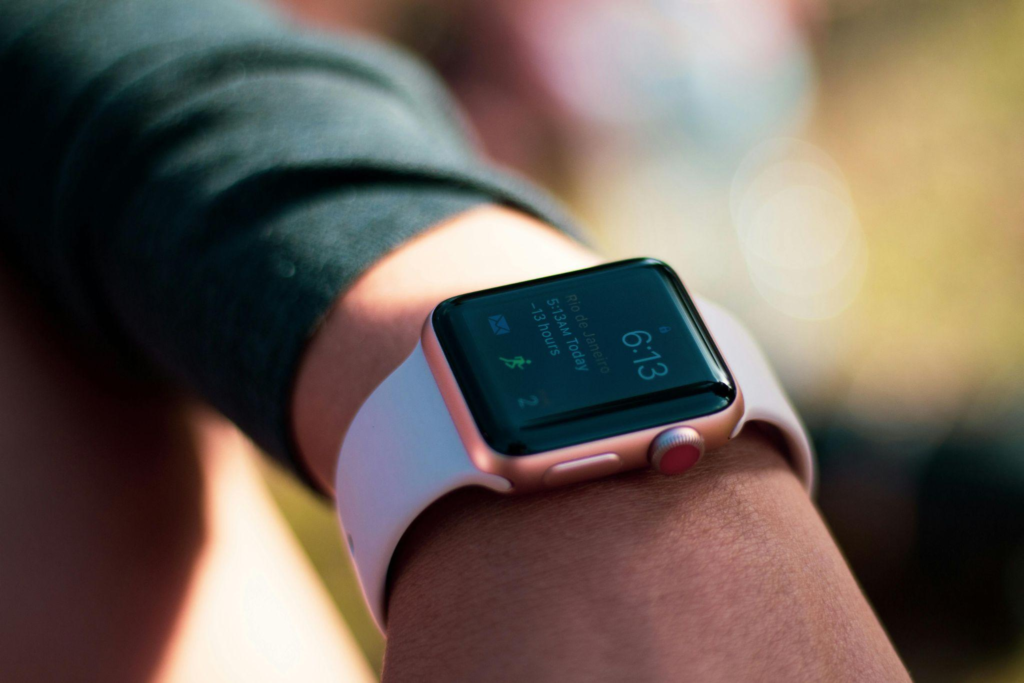
Technology has changed how people manage their health at home. Wearables, connected monitors, and simple smart devices now allow continuous tracking of vital signs and daily patterns.
These tools provide individuals with timely feedback and support early recognition of potential concerns. They also allow physicians to review more data during appointments. As a result, routine monitoring has become easier and more accessible for many households.
This blog explains how home health monitoring devices support preventive care, detect irregular changes, and encourage better habits.
How Digital Health Tools Fit into Daily Care
Smart devices have become common across age groups. Many people already use them for steps, sleep, or heart rate trends. Modern devices now offer more advanced functions that support deeper daily monitoring.
Common functions include:
- Continuous tracking of heart rate
- Oxygen saturation measurement
- Temperature trend analysis
- Sleep stage monitoring
- Stress or recovery tracking
- Blood pressure measurement
- Glucose trend reporting for people with diabetes
These functions work quietly in the background. They gather information that users can review at any time, helping them understand how their bodies respond to daily choices such as food, sleep, and exercise.
Why People Use Home Health Monitoring Devices
Filename: fitbit-health-dashboard
Alt text: Smartphone screen displaying step count and wellness stats.
Caption: Daily tracking gives users a clearer view of how their habits shape their health.
These tools allow people to watch for early changes. Minor shifts in heart rate, blood oxygen, or blood pressure can show early warning signs. When someone reviews this data regularly, they often notice patterns before symptoms become disruptive.
Main reasons people rely on digital health tools include:
- Clear tracking of personal trends
- Easy access to daily statistics
- Support for remote medical guidance
- Early recognition of irregular readings
- More informed decision-making about rest, activity, and care
This approach supports preventive care because people respond faster when they see a measurable change.
Wearables and Their Growing Capabilities
1. Heart Rate Monitoring
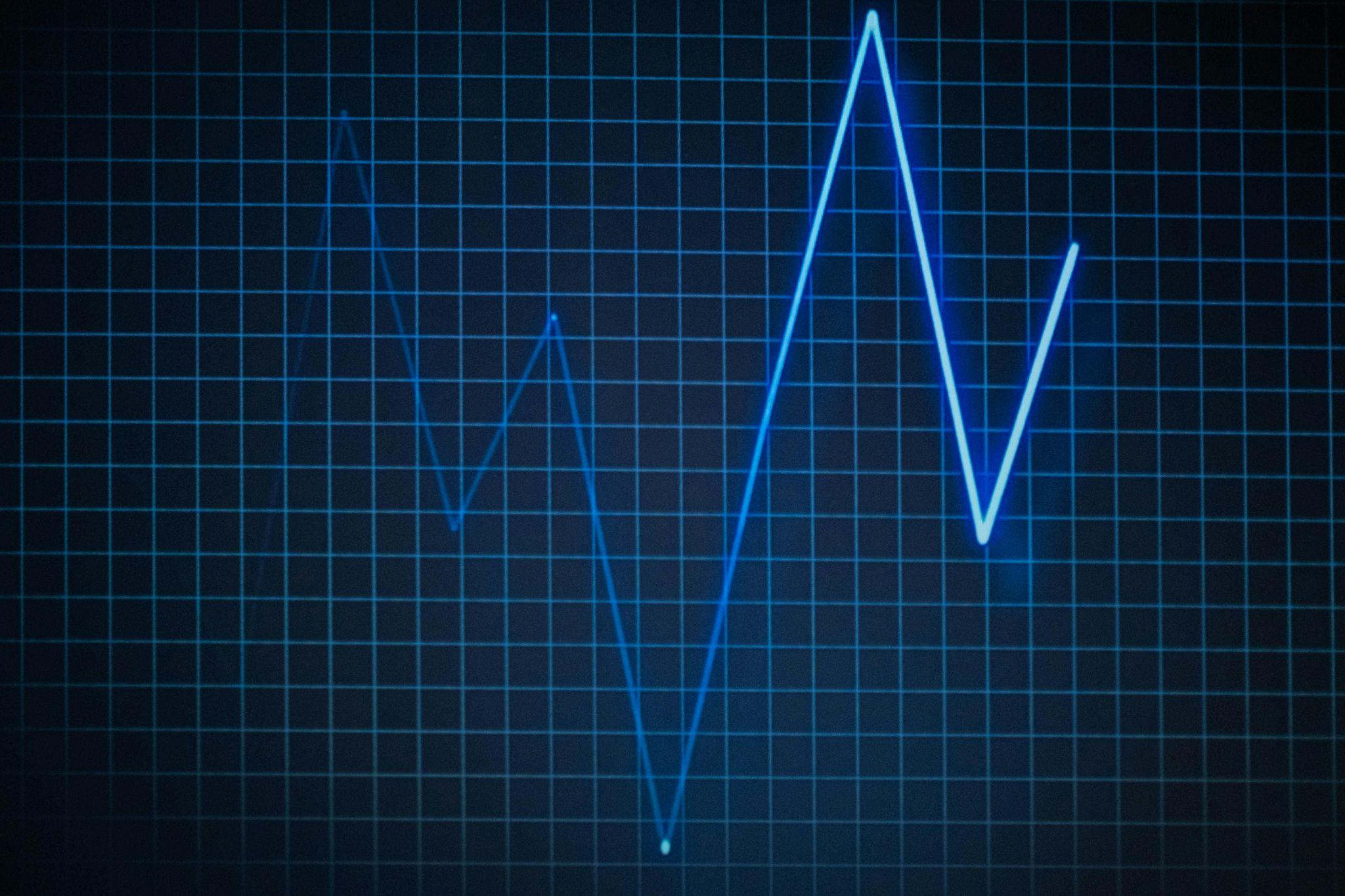
Most wearables measure heart rate throughout the day. They report resting heart rate, activity-based heart rate, and recovery patterns. Research shows that resting heart rate trends can reflect cardiovascular stress or fatigue. A sudden rise may indicate illness, dehydration, or sleep disturbance.
2. Oxygen Saturation Sensors
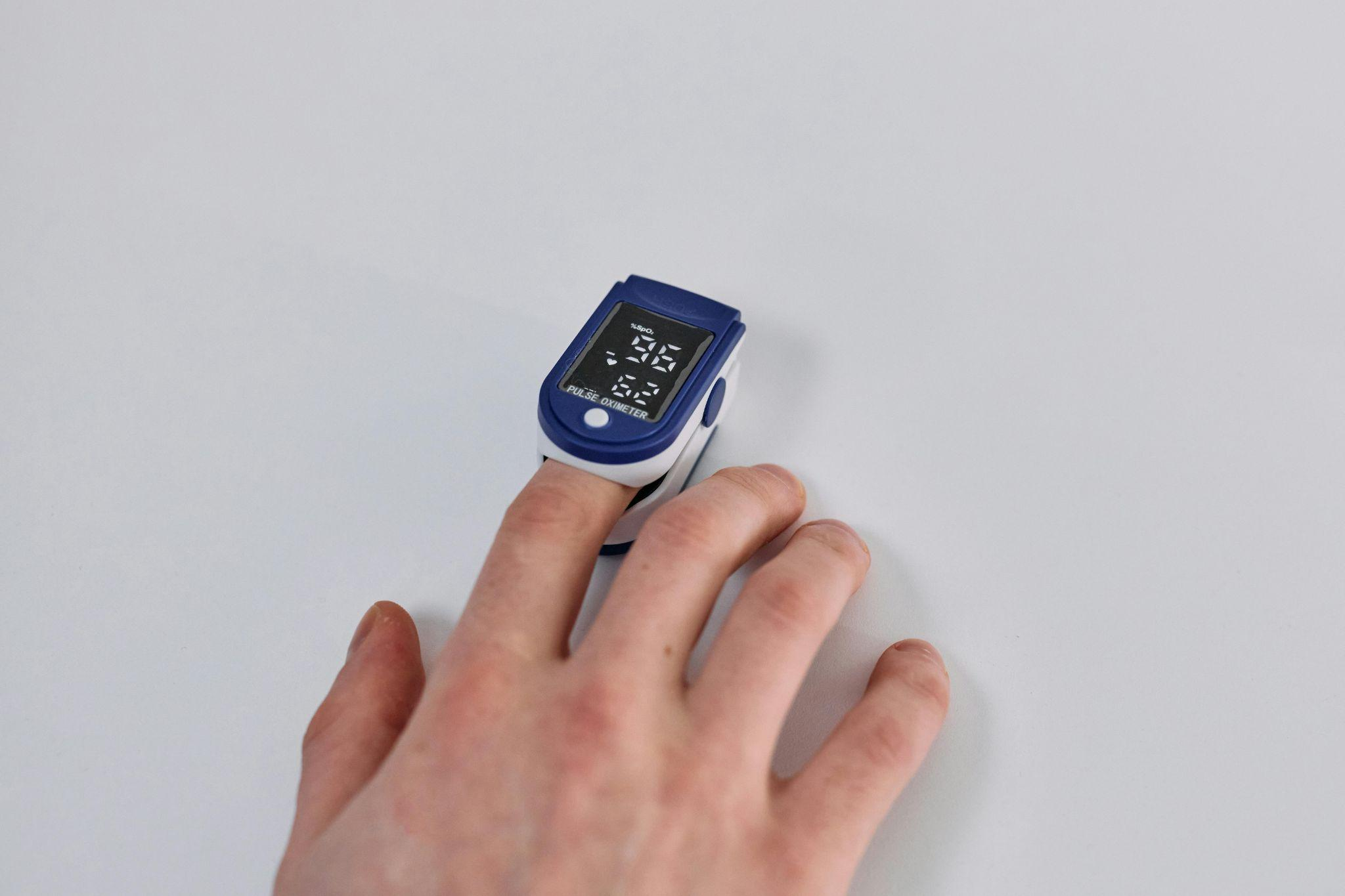
Pulse oximeters can now be found in many smartwatches. These readings can help detect breathing irregularities, altitude-related discomfort, or changes during sleep. Consistent low oxygen levels should be reviewed with a clinician.
3. Sleep Tracking
Quality sleep supports immune function, energy production, and cognitive health. Wearables record sleep duration, interruptions, and estimated sleep stages. This information helps people adjust bedtime habits to improve daily recovery.
4. Temperature Trends
Some devices track skin or core temperature trends. Temperature changes may reflect infections, hormonal cycles, or stress. Continuous tracking provides context that single thermometer readings cannot capture.
At-Home Digital Devices and Their Benefits
Smart Thermometers
These devices collect temperature trends across days or weeks. They help people understand how fevers rise and fall. A smart thermometer can also share data with apps that log symptoms for later review.
Blood Pressure Monitors
At-home blood pressure monitors allow users to track readings at different times of day. Regular monitoring helps identify hypertension earlier. Clinicians often request home readings for a more accurate diagnosis because clinic readings can be affected by stress.
Glucose Monitoring Devices
Continuous glucose monitors help people with diabetes track glucose changes in real time. These systems show how meals, activity, and stress influence glucose levels throughout the day.
Digital Scales and Body Composition Tools
Smart scales track weight, water percentage, and body composition over time. Consistent data helps users spot fluid retention, sudden weight changes, or trends in body mass.
Smart Stethoscopes
Some digital stethoscopes record heart and lung sounds. They allow remote review by clinicians and can support early identification of irregular sounds or breathing patterns.
How These Tools Support Preventive Care
Early Trend Recognition
Data helps people spot irregular changes early. When heart rate, sleep quality, or glucose levels shift consistently, the user can review habits or consult a clinician. Patterns often appear before symptoms become noticeable.
Better Communication with Clinicians
Digital devices produce clear data logs. Instead of describing symptoms from memory, users can show accurate records. This helps clinicians make better assessments.
Support for Chronic Condition Management
People with hypertension, diabetes, asthma, or sleep disorders benefit from consistent monitoring. Many devices provide alerts when readings move outside a healthy range.
Greater Awareness of Daily Habits
Devices show how lifestyle choices influence health. For example:
- Poor sleep may raise resting heart rate
- High stress may reduce sleep quality
- High-sodium meals may raise blood pressure
- Sedentary days may influence glucose levels
This information helps individuals take small steps toward better daily habits.
Findings on Digital Health Tools
Studies have examined how wearable devices and home sensors support preventive care. Findings include:
- Wearable sensors can detect early signs of illness by tracking changes in heart rate, oxygen levels, skin temperature, and activity patterns. Researchshows that these devices can identify infections, inflammation, insulin resistance, and other health disruptions.
- Sleep tracking can help people understand how insufficient sleep affects their immune response.
- Blood pressure monitoring at home improves hypertension detection and long-term management.
- Continuous glucose monitoring improves treatment adjustments for people with diabetes and reduces risks linked to extreme highs or lows.
- Early oxygen saturation changes have been linked to respiratory infections, which helps people seek timely care.
These findings show that daily tracking supports more informed health management.
How Smart Devices Detect Irregular Patterns
Digital tools use sensors and algorithms to interpret changes in the body. They watch for patterns that fall outside a person’s normal range. For example:
- A smartwatch compares the current heart rate to long-term trends.
- A glucose monitor alerts users when glucose rises too quickly.
- A blood pressure monitor records every reading to track whether numbers rise over weeks.
- A sleep tracker reviews interruptions and estimates sleep duration.
The strength of these tools lies in continuous data collection. A single reading cannot show change. Trend data gives a clearer context.
Common irregular patterns include:
- Sudden rise in resting heart rate
- Lower-than-normal oxygen saturation
- Elevated blood pressure over several readings
- Sudden jump or drop in glucose
- Repeated sleep disruptions
Reviewing these changes helps users decide whether to rest, modify habits, or speak with a clinician.
How These Devices Support Daily Health Habits

Better Routine Awareness
People often underestimate how much daily behavior affects health. Devices provide visible data, which encourages healthier habits.
Motivation Through Tracking
Seeing progress can motivate users to maintain consistent movement, hydration, or sleep improvement efforts.
Safety Alerts
Some devices offer warnings when readings are too high or too low. Early alerts help users respond quickly.
Support for Home Care
Families caring for older adults often find digital devices helpful. They allow remote monitoring and quick recognition of changes in vitals.
The Future of Home Health Monitoring Devices
Technology will continue improving. Devices may soon offer more accurate predictions, stronger integration with medical systems, and wider access. Many researchers are working on systems that identify patterns linked to early disease markers. Other tools aim to support remote consultations and automated symptom tracking.
These improvements may help people manage their health more confidently at home with better digital assistance.
Documentation Support with My Dr’s Note
People still need reliable documentation when illness affects work or school. My Dr’s Note offers services that allow individuals to get a real doctor’s note for work or an online doctor’s note for school through a secure and simple process. Contact My Dr’s Note today to get a real doctor’s note online!